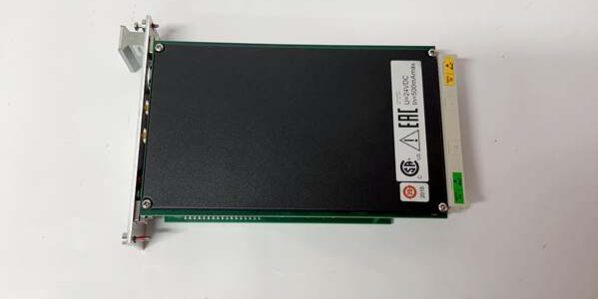
Component Snapshot At-a-Glance
- Model:
- Alt. P/N: No official alternate factory part number, referenced as EPRO / CSI
- Product Series: Emerson CSI6500 / EPRO MMS6000 machinery protection rack system
- Hardware Type: Dual-channel case seismic velocity vibration input monitor card
- Key Feature: Two fully isolated independent measuring channels tailored for electro-dynamic moving-coil velocity sensors
- Primary Field Use: Continuously measures casing vibration of large rotating equipment to trigger protection trips per API670 standard
Hard-Numbers: Technical Specifications
- Protocol Support: CSI6500 proprietary backplane parallel rack bus, analog 4-20mA buffered output to DCS
- Port Count: 2 fully independent differential sensor input channels
- Frequency Band: 10Hz ~ 1000Hz fixed vibration filtering range
- Input Signal Range: -5VDC ~ +15VDC differential from electro-dynamic coil probes
- Operating Temperature: -10°C ~ +60°C continuous cabinet ambient rating
- Isolation Rating: 1500V channel-to-backplane galvanic isolation
- Backplane Power Draw: Max 6W total rack-supplied operating power
- Hot-Swap Rating: Approved live rack extraction/insert without full chassis power down
- Unit Physical Spec: 30(W)×190(H)×128(D)mm, net weight 0.3kg
- Compliance Standard: API670 machinery protection industry specification
The Real-World Problem It Solves
Discrete standalone vibration transmitters require individual 24V field power and separate marshalling wiring, creating dozens of loose terminal points prone to drift and false trip signals. Older single-channel vibration cards waste valuable rack slot space on dense turbine protection cabinets.
Where you’ll typically find it:
- Coal-fired utility steam turbine casing vibration protection rack enclosures
- Refinery large reciprocating compressor and gas turbo-machinery monitoring cabinets
- Nuclear plant primary pump case seismic safety monitoring I/O racks
It consolidates two vibration measurement circuits into one rack slot while isolating channel faults to avoid full-card protection shutdown.
Hardware Architecture & Under-the-Hood Logic
This is dedicated analog signal processing board without general-purpose MCU; each channel uses independent op-amp filter circuits and peak detection hardware, all isolated from rack backplane power rails.
- Rear rack edge finger terminals pull regulated DC operating power and system fault bus signals from CSI6500 backplane chassis.
- Front terminal blocks accept differential AC output directly from 9266/9267/9268 series electro-dynamic velocity pickups.
- Onboard bandpass filters strip out-of-band electrical noise between 10–1000Hz before signal rectification.
- Precision peak-to-RMS conversion circuits convert alternating vibration waveform into stable DC proportional to vibration velocity value.
- Internal threshold comparators check measured value against user-set trip points; over-limit triggers dry-contact relay flag to rack fault bus and local front-panel LED.
- Buffered 4-20mA analog proportional output routes scaled vibration data outward to plant DeltaV/Ovation DCS historians.
Field Service Pitfalls: What Rookies Get Wrong
Wire Piezoelectric Probes Into Electro-Dynamic Input Terminals
New tech swaps piezo acceleration sensors onto designed-for moving-coil inputs, resulting in noisy erratic readings and constant random high-vibration false alarms.
- Field Rule: Restrict exclusively to electro-dynamic velocity probes; use A6130 for piezo acceleration sensor wiring.
Over-tighten Front Field Terminals Crimping Internal PCB Trace
Excessive screwdriver torque cracks card’s front PCB copper traces behind terminal block, leading to intermittent open channel faults that drift with cabinet temperature swings.
- Quick Fix: Retorque terminals to manufacturer 0.8N·m spec; damaged trace requires full module replacement, no field repair possible.
Ignore Sensor Coil Short Causing Full Channel Saturation
Shorted internal winding inside field velocity probe drags channel input rail low, locks channel at max vibration reading and lights steady red CH FAULT LED.
- Field Rule: Unplug field wiring at module front terminals; short disappears = faulty field sensor; fault remains = defective onboard input circuit.
Commercial Availability & Pricing Note
Please note: The listed price is for reference only and is not binding. Final pricing and terms are subject to negotiation based on current market conditions and availability.