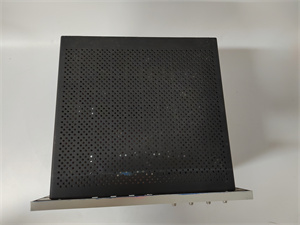
Description
Hard-Numbers: Technical Specifications
- Measurement Principle: Zirconia solid electrolyte (oxygen concentration cell)
- Measurement Range: 0.01 to 100 vol% O₂ (configurable range 0-5% to 0-100%)
- Output Signal: Millivolt output (E = -50.74 × log₁₀[Px/20.6], where Px is oxygen partial pressure)
- Operating Temperature: Approximately 700°C (cell heater temperature)
- Warm-up Time: Approximately 20 minutes
- Repeatability: ±0.5% of maximum range setting (0-25 vol% O₂ range)
- Linearity: ±1% of maximum range setting
- Compatibility: ZR22G detector (general-use and high-temperature versions), ZR402G converter
- Weight: Approximately 1.8-2.0 kg
- Application: Combustion exhaust gas measurement (excludes flammable and corrosive gases like ammonia)
- Calibration: Requires known concentration oxygen gas for zero and span calibration
- Service Life: Typical 2-3 years depending on operating conditions and gas composition
The Real-World Problem It Solves
Combustion optimization requires precise oxygen measurement in exhaust gas, but paramagnetic and galvanic sensors drift with temperature changes and have slow response. The zirconia cell provides fast, stable oxygen measurement by generating a millivolt signal proportional to oxygen partial pressure at 700°C, enabling real-time air-fuel ratio control for boiler efficiency and NOx reduction.
Where you’ll typically find it:
- Power plant boilers and furnaces requiring combustion efficiency optimization
- Process heaters and reformers in refinery and petrochemical plants
- Waste incinerators and thermal oxidizers needing oxygen trim control
Bottom line: This zirconia cell is the heart of your oxygen analyzer—accurate to ±0.5% with 20-minute warm-up—so you can maintain optimal air-fuel ratio without constant recalibration or sensor drift.
Hardware Architecture & Under-the-Hood Logic
The ZR01A01-01 is a zirconia oxygen sensor cell assembly that generates a millivolt EMF based on the Nernst principle. It contains a heated zirconia (ZrO₂) solid electrolyte element sandwiched between porous platinum electrodes. At approximately 700°C, zirconia becomes oxygen-ion conductive—oxygen ions migrate from the high partial pressure side (reference air) to low partial pressure side (sample gas), generating a voltage proportional to the logarithm of the oxygen concentration ratio. No active electronics in the cell itself—just a heater to maintain operating temperature and platinum electrodes for millivolt output.
- External 24 VDC power applies to cell heater terminals (heater brings cell to ~700°C operating temperature)
- Zirconia element warms up for approximately 20 minutes (warm-up period before measurement is valid)
- Reference air (20.6% oxygen) contacts one side of zirconia element through reference air inlet
- Sample gas flows across the other side of zirconia element (oxygen partial pressure varies with combustion conditions)
- Oxygen concentration difference creates partial pressure gradient across zirconia
- At 700°C, zirconia becomes oxygen-ion conductive—ions migrate from high to low partial pressure side
- Platinum electrodes detect charge separation—generates millivolt EMF according to Nernst equation
- Millivolt signal proportional to log₁₀(P_sample/P_reference) exits cell to ZR402G converter
- ZR402G converter amplifies and linearizes millivolt signal to 4-20 mA output
- Heater control circuit maintains constant cell temperature (internal thermocouple provides feedback)
Field Service Pitfalls: What Rookies Get Wrong
Powering Up Before Warm-up Completes
Techs calibrate the analyzer immediately after applying power, ignoring the 20-minute warm-up period. The zirconia element must reach 700°C before ion conduction is stable—cold cell outputs garbage data or drifts wildly. You’ll see oxygen readings swing ±10% during calibration, and the analyzer rejects calibration attempts.
- Field Rule: Wait minimum 20 minutes after power-up before any calibration or measurement. Verify cell temperature indicator on ZR402G converter shows stable operating temperature. Calibrating cold cells wastes calibration gas and produces incorrect span settings. The cell is not ready until thermally stable—no shortcuts.
Using Dirty Calibration Gas
Installers use calibration gas cylinders with unknown certification or expired gas for span calibration. Zirconia cells are precise—contaminated or out-of-spec calibration gas throws off span settings, causing measurement error for months until next calibration. You’ll see oxygen reading off by 2-3% compared to reference analyzers.
- Quick Fix: Use only certified calibration gas with known oxygen concentration within your measurement range. Check cylinder expiration date—old gas composition shifts over time. Verify gas matches analyzer requirements (typically known concentration oxygen for span, nitrogen or zero gas for zero). Calibration gas quality matters—cheap gas ruins expensive cell accuracy.
Ignoring Reference Air Flow
Techs install the cell without verifying reference air supply to the cell assembly. The zirconia cell needs a constant reference (typically ambient air at 20.6% oxygen) on one side—blocked reference air causes erratic millivolt output and measurement drift. You’ll see readings drift slowly over hours and analyzer fault codes for reference failure.
- Field Rule: Confirm reference air inlet is not obstructed—check filter screen for dust blockage. Verify reference air flow path is clear from ZA8F flow setting unit. Some applications use pumped reference air—if so, verify pump operation. Reference air is critical—without it, the cell has no baseline.
Rapid Temperature Cycling
Operators shut down analyzers daily and restart them the next morning, causing repeated thermal cycling. Zirconia cells are ceramic—thermal shock from repeated heating/cooling causes micro-cracks in the element, shortening cell life from years to months. You’ll replace cells twice as often as plants with continuous operation.
- Quick Fix: Keep oxygen analyzers running 24/7 unless extended shutdown is required. If cycling is unavoidable, minimize frequency—power down only for scheduled maintenance. Thermal cycling kills zirconia cells—design your process around continuous operation to maximize cell life.
Overlooking Condensate in Sample Gas
Installers route sample gas lines without proper heat tracing or moisture removal. Wet sample gas condenses in the cell, flooding the porous platinum electrodes and causing measurement drift or permanent damage. You’ll see erratic readings after temperature drops, and eventually the cell fails calibration completely.
- Field Rule: Maintain sample gas temperature above dew point all the way to the cell. Install heat trace on sample lines in cold environments. Use sample conditioning (filter, chiller, or membrane dryer) to remove moisture before gas reaches the cell. Water destroys zirconia cells—dry gas is mandatory.
Torquing Cell Assembly Too Tight
Mechanics overtighten the Hastelloy mounting bolts when replacing the cell assembly. The zirconia element is ceramic—excessive torque from uneven bolt loading cracks the element internally. You’ll see the cell work initially then drift uncontrollably as micro-cracks propagate.
- Quick Fix: Use a torque wrench—follow Yokogawa specification for mounting bolts (typically specified in NM). Tighten bolts in star pattern (alternating opposite bolts) to distribute force evenly. Never force bolts beyond spec—ceramic doesn’t stretch, it breaks. Use new washers and O-rings from installation kit (M1263CB-A) to ensure proper sealing without over-tightening.
Skipping Leak Check After Replacement
Techs replace the cell and immediately apply power without pressure testing the sample gas connections. Leaks introduce ambient air into sample stream, causing oxygen readings to read higher than actual. You’ll see 21% oxygen reading even on nitrogen zero gas.
- Field Rule: Pressurize sample system with inert gas (nitrogen) after cell replacement and check for leaks with soap solution or leak detector. Verify all fittings are tight—especially Hastelloy bolts and Swagelok connections. Leaks invalidate all measurements—pressure test every replacement.
Commercial Availability & Pricing Note
Please note: The listed price is for reference only and is not binding. Final pricing and terms are subject to negotiation based on current market conditions and availability.
Typical Market Pricing (Reference Only):
- New OEM Cell Assembly: $1,100 – $1,400 USD
- Aftermarket/Compatible: $800 – $1,100 USD
- Cell Parts Only (no assembly): Contact Yokogawa distributor
Availability: The ZR01A01-01 is an active spare part for the EXAxt ZR series oxygen analyzers. Available from Yokogawa authorized distributors and aftermarket industrial automation suppliers. New units typically ship within 1-2 weeks; aftermarket units may be available for immediate shipment.
Product Status: This is a consumable spare part with limited service life (typically 2-3 years depending on application). Cell degradation is normal—plan for periodic replacement. Keep spare cells on hand for critical combustion control applications to avoid unplanned downtime.
Important Note on Compatibility: The ZR01A01-01 is designed for ZR22G detectors and ZR402G converters in the EXAxt ZR series. Verify compatibility with your analyzer model before ordering. This cell assembly replaces older part numbers E7042UD, K9119ED, and K9119GE. The installation kit (M1263CB-A) includes required mounting hardware—order kit with first replacement if not already on hand.