Description
Hard-Numbers: Technical Specifications
- Processor Type: MIPS R5000 RISC
- Main Memory Capacity: 128 MB
- Control Network: Dual-redundant Vnet/IP
- Mounting: Rack mount in Safety Control Unit (S2SC70 series)
- Power Consumption: 200 VA @ 100-120 VAC, 230 VA @ 220-240 VAC, 5.5A @ 24 VDC
- Operating Temperature Range: 0°C to +55°C (standard), +70°C with fan unit
- Weight: 7.9-8.5 kg (depending on SCS enclosure)
- Memory Protection: Non-volatile memory with battery backup (3-year replacement cycle)
- Redundancy Mode: Dual-redundant with automatic failover
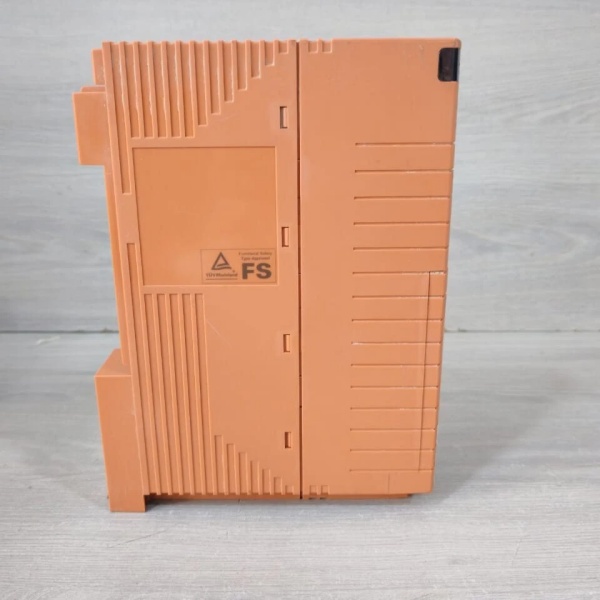
- Safety Certification: SIL 3 (IEC 61508), TÜV certified

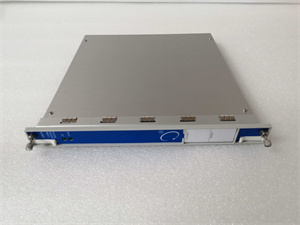
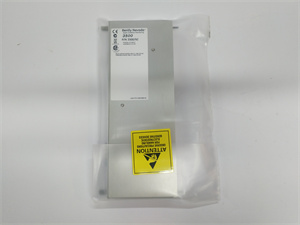
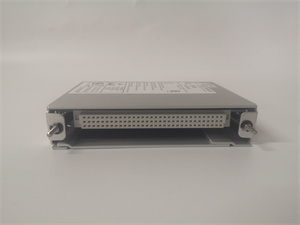
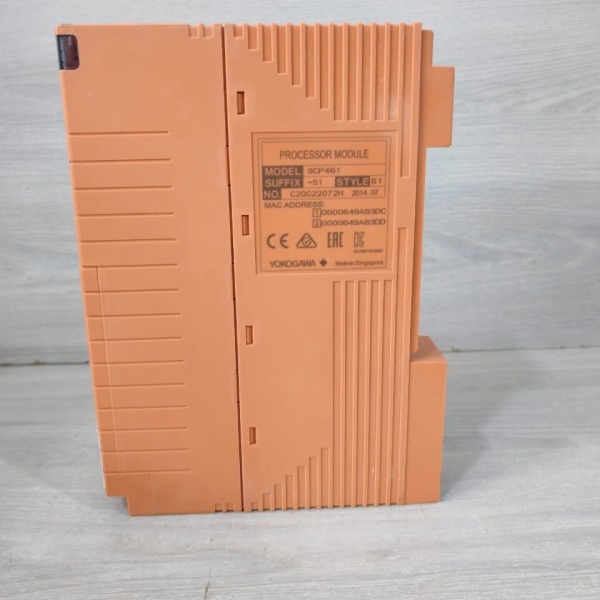
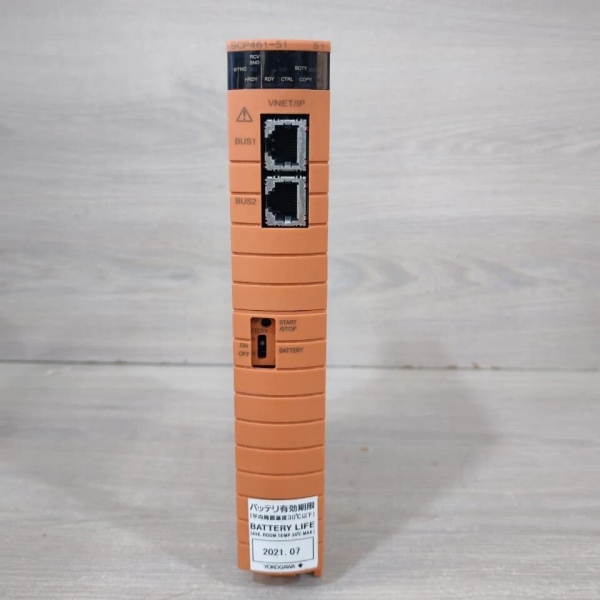
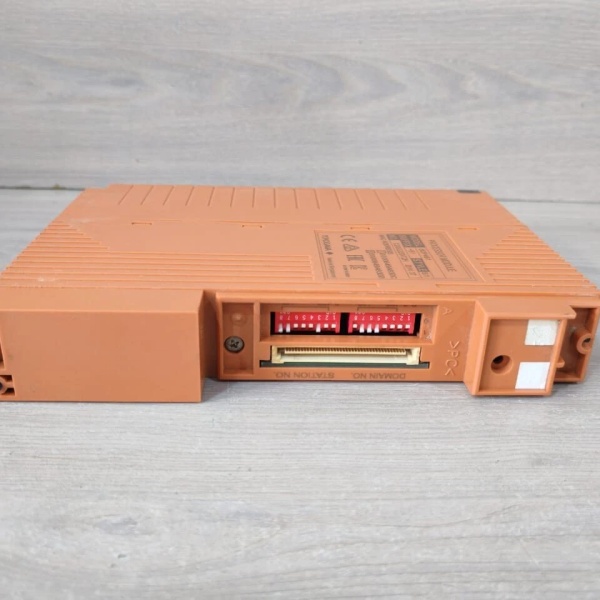
YOKOGAWA SCP461-51
The Real-World Problem It Solves
Your safety instrumented system loses its processor and trips the entire plant into emergency shutdown because a single point of failure in your safety CPU. The SCP461-51 eliminates this nightmare by providing dual-redundant processors with automatic failover—when the primary CPU fails, the standby takes over without a hiccup, keeping your ESD logic running while you swap hardware live.
Where you’ll typically find it:
- ProSafe-RS Safety Control Stations (SCS) in petrochemical ESD systems
- Upstream offshore platforms with SIL 2/3 emergency shutdown requirements
- Refinery burner management systems (BMS) requiring certified safety control logic
- Chemical plants with tight coupling between DCS and safety layers
You get SIL 3 certified redundancy in a hot-swappable package designed for zero-downtime maintenance cycles.
Hardware Architecture & Under-the-Hood Logic
The SCP461-51 is a safety-certified processor module designed for rack-mounting in ProSafe-RS Safety Control Units. It features a MIPS R5000 RISC core with ECC (Error Correcting Code) memory for fault detection and correction—critical for safety applications. The module includes dual-redundant Vnet/IP interfaces for communication with the main DCS and peer SCS units. Its internal architecture supports cross-CPU synchronization, where the standby processor mirrors the active CPU’s state in real-time, ensuring seamless failover.
- Safety logic executes on primary MIPS R5000 CPU with ECC-protected main memory (128 MB)
- Process data and application code synchronize continuously to standby CPU via internal bus
- Dual-redundant Vnet/IP interfaces provide separate paths for DCS communication
- Watchdog circuits monitor both CPUs for faults and trigger automatic failover
- Battery-backed non-volatile memory retains configuration and program during power loss (3-year replacement cycle)
YOKOGAWA SCP461-51
Field Service Pitfalls: What Rookies Get Wrong
Pulling Both CPUs SimultaneouslyRemoving both redundant processors at the same time kills the Safety Control Station and forces a full safety system restart. The whole point of redundancy is zero when you strip both CPUs from the rack at once.
- Field Rule: Never remove both SCP461-51 modules simultaneously—always leave one processor active while swapping the other.
Ignoring Battery Backup ReplacementThe non-volatile memory relies on a battery with a recommended 3-year replacement cycle at 30°C average ambient. Letting the battery die risks losing your safety application and configuration data during the next power cycle.
- Quick Fix: Replace the backup battery every 3 years regardless of apparent health—safety system data is too valuable to gamble on.
Mismatching CPU Styles During UpgradeAttempting to mix style S1 (pre-S2) with style S2 (dual-redundant) SCP461 modules will prevent the Safety Control Station from booting properly. The suffix codes are not cosmetic—they define the redundancy architecture.
- Field Rule: Verify the suffix code matches your existing SCS configuration before ordering replacement CPUs. Dual-redundant applications require both CPUs to be style S2 or later.
Commercial Availability & Pricing Note
Please note: The listed price is for reference only and is not binding. Final pricing and terms are subject to negotiation based on current market conditions and availability.