Description
Hard-Numbers: Technical Specifications
- Processor: Intel Atom E3815, 1.46 GHz
- Main Memory: 256 MB with ECC (Error Correcting Code)
- Static RAM: 2 MB with ECC, battery-backed (SRAM retention during power loss)
- Secondary Memory: 1 GB on-board flash
- External Storage: SD card slot (SDHC, 4-32 GB, Class 10)
- Network Interface (Ethernet): 4 ports (RJ45)
- Ethernet Speed: 1000BASE-T, 100BASE-TX, 10BASE-T
- Serial Port: 1 RS-232-C port (D-sub 9-pin, male)
- I/O Interface: SB bus (duplex, for internal module communication)
- Power Supply: 5 V DC ±5%, Max. 1700 mA
- Battery Backup: 1000 mAh lithium fluoride battery for SRAM backup
- Operating Temperature: 0°C to +55°C (standard), -40°C to +70°C (suffix 1 option)
- Storage Temperature: -40°C to +85°C
- Ambient Humidity (Operation): 5 to 95% RH (non-condensing)
- Protection Class: IP20
- Dimensions: Approximately 65.8 mm × 130 mm × 149.3 mm (W×H×D)
- Weight: Approximately 0.35 kg
- Control Cycle: Minimum 20 ms (deterministic real-time performance)
- RAS Features: Watchdog timer, CPU self-diagnostics, temperature monitoring, I/O diagnostics
- Application Capacity (Guideline): Up to 512 function blocks (POUs), up to 180 kilosteps in Ladder, up to 128 sequence tables (32 condition + 32 action rows each)
- Foundation Fieldbus: Functions as Link Active Scheduler (LAS) for low-speed voltage mode (H1) segments
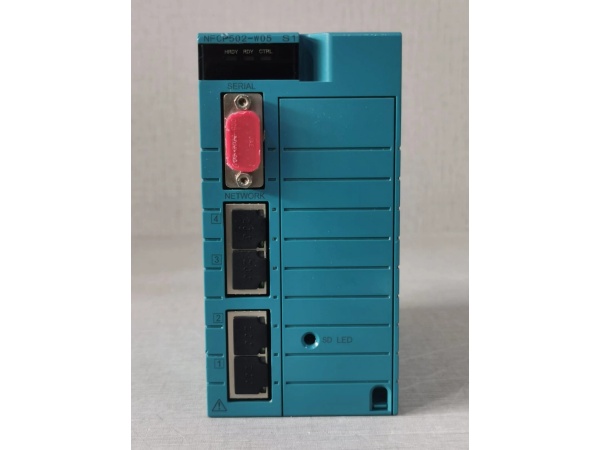
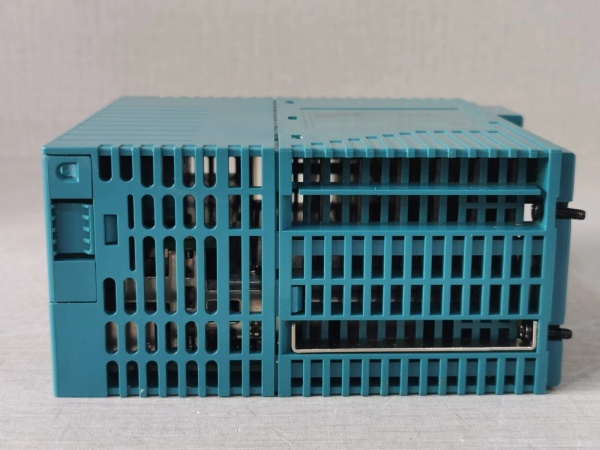
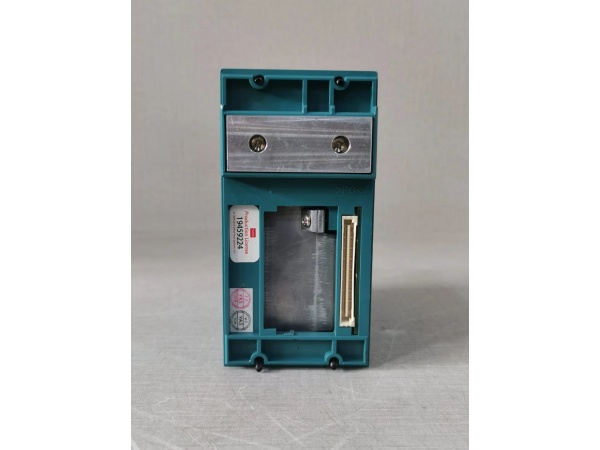
YOKOGAWA NFCP502-W05
The Real-World Problem It Solves
Your distributed control node suffers from unpredictable CPU hang-ups during high scan loads and extended communication latency in multi-node networks. The NFCP502-W05 eliminates these issues by delivering deterministic real-time performance with dual-redundant CPU support, automatic data synchronization between active and standby CPUs, and four Ethernet ports for segmented network configurations—ensuring continuous operation even during module replacement or network disturbances.
Where you’ll typically find it:
- STARDOM FCN-500 autonomous controllers in distributed control systems (oil & gas wellheads, remote pipelines)
- CENTUM VP integration environments via OPC server or UGS/UGS2 gateway
- Foundation Fieldbus H1 segments as LAS (Link Active Scheduler) for scheduling field device communication
- Gas/oil wellhead control and turbine compressor control systems with remote connectivity requirements
- SCADA systems using FAST/TOOLS or OPC for remote data acquisition and control
You get a compact, fanless CPU module with ECC-protected memory that prevents data corruption, hot-swappable redundancy for zero-downtime maintenance, and extended networking options (4 Ethernet + serial) for flexible field device integration.
Hardware Architecture & Under-the-Hood Logic
The NFCP502-W05 is the processing core of the STARDOM FCN-500 autonomous controller. It features an Intel Atom E3815 processor running a real-time operating system, executing control applications programmed in IEC 61131-3 compliant languages. The module supports dual-redundant configuration where two CPUs operate in active-standby mode with automatic data synchronization via SB bus. Memory subsystem includes ECC-protected main RAM and battery-backed SRAM for critical variable retention during power failures. Network interfaces provide multi-port Ethernet for segmented topologies and RS-232 for legacy device connectivity.
- Intel Atom E3815 processor executes control logic with deterministic 20 ms minimum control cycle
- ECC-protected main memory (256 MB) detects and corrects single-bit errors, preventing data corruption
- Battery-backed SRAM (2 MB) retains critical variables and system state during power loss for fast recovery
- SB bus interface provides duplexed communication with I/O modules and redundant CPU for data synchronization
- Four Ethernet ports support segmented network configurations or redundant connections to multiple SCADA/DCS systems
- Serial RS-232-C port enables connectivity to legacy devices or modems for remote communication via PPP protocol
- SD card slot allows external storage for application backup, data logging, and file transfer (FTP client/server)
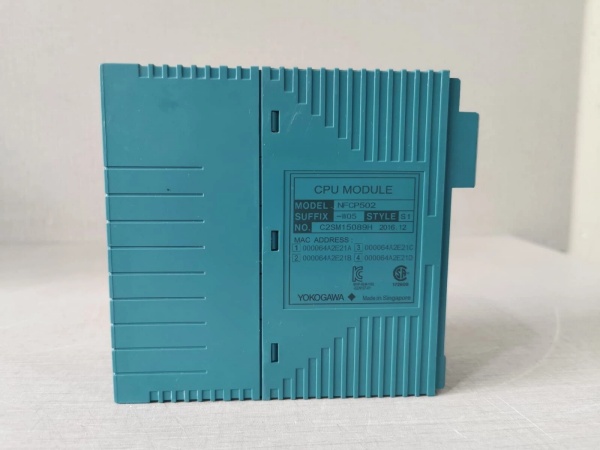
YOKOGAWA NFCP502-W05
Field Service Pitfalls: What Rookies Get Wrong
Mismatching Suffix Codes in Redundant ConfigurationInstalling one NFCP502-W05 (extended functions, standard temp, no explosion protection) alongside a different suffix variant (e.g., NFCP502-W06 with extended temperature) in a dual-redundant setup creates operational incompatibility. The two CPUs will have different functional capabilities and temperature ratings, potentially causing failover failures.
- Field Rule: For redundant CPU configuration, both modules must have identical suffix codes (model, function set, temperature rating, explosion protection rating).
Using Serial Port During CPU RedundancyThe CPU module’s integrated RS-232-C port cannot be used when CPUs are configured in dual-redundant mode. Attempting to connect maintenance tools or modems to this port in a redundant system will result in communication failure or unexpected behavior.
- Quick Fix: Install a dedicated serial communication module (NFCP111) for maintenance console access when CPU redundancy is enabled—the built-in RS-232 port is disabled in redundant mode.
Ignoring Application Capacity GuidelinesExceeding the recommended application capacity (512 POUs, 180 kilosteps, 32 PID loops) degrades control performance and may cause scan time violations or watchdog timeouts. The guidelines are not arbitrary—they’re based on processor performance testing and ensure deterministic real-time behavior.
- Field Rule: Monitor application size during development—split large applications across multiple FCN-500 controllers if capacity limits are approached, especially with high-density I/O configurations (>96 AIs + 256 DIs/DOs).
Neglecting Battery Backup Health CheckThe lithium fluoride battery (1000 mAh) that backs up SRAM has a finite lifespan. When this battery degrades, critical system variables are lost during power failures, requiring time-consuming recovery and potentially causing process upsets.
- Field Rule: Test battery backup functionality during periodic maintenance—replace battery if SRAM retention time drops below specified rating (check CPU self-diagnostics for battery status indication).
Improper CPU Synchronization After ReplacementWhen replacing a failed CPU in a redundant configuration, the standby CPU automatically becomes active but data synchronization requires time. If the new CPU is inserted without proper pre-configuration or synchronization procedure, it may start with stale data or cause process bumps.
- Field Rule: Always verify CPU synchronization status after replacement using engineering tools—ensure both CPUs show “synchronized” state before putting the system back in full automatic mode.
Commercial Availability & Pricing Note
Please note: The listed price is for reference only and is not binding. Final pricing and terms are subject to negotiation based on current market conditions and availability.