Description
Hard-Numbers: Technical Specifications
- Rated Voltage: 12 VDC
- Coil Configuration: Single Coil (Continuous Duty) or Dual Coil (Pull + Hold) depending on specific sub-model variant
- Current Draw: Approx. 1.5A – 2.0A (Continuous Hold), up to 20A+ (Momentary Pull Inrush)
- Linear Stroke: 0.5 inches (12.7 mm) nominal
- Pull Force: 8 lbs (36 N) minimum at rated voltage
- Hold Force: 15 lbs (67 N) minimum at rated voltage
- Connection Type: 2-Pin Packard/Weather-Pack or 1/4″ Spade Terminals
- Operating Temperature: -40°C to +85°C
- Duty Cycle: 100% Continuous (after initial pull)
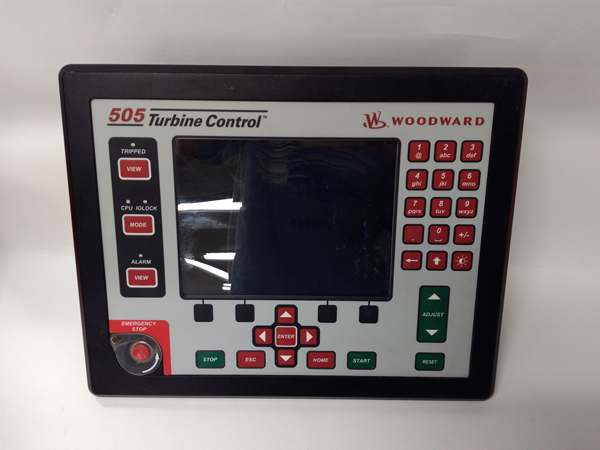
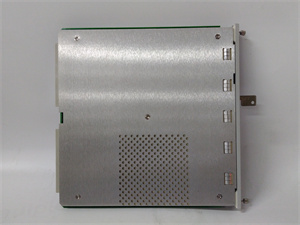
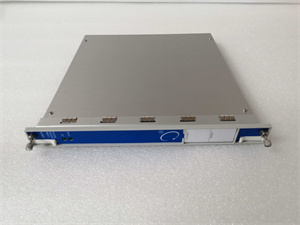
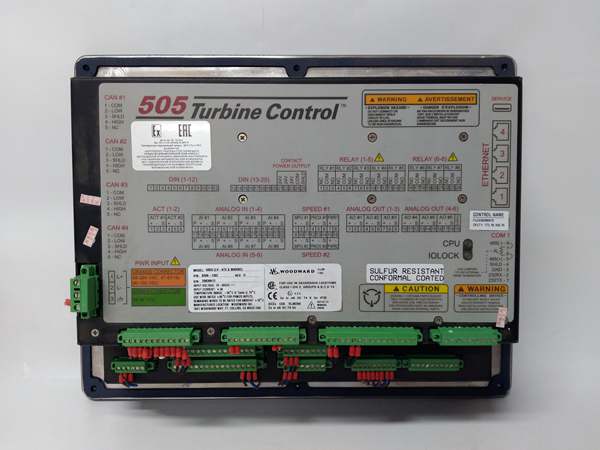
WOODWARD 8200-226
The Real-World Problem It Solves
When a generator overspeeds or loses oil pressure, you need the fuel cut off immediately. The SA-4507-12 acts as the electronic handbrake for the engine’s fuel rack. It takes a 12-volt signal from the control module and provides the physical muscle to either enable fuel flow during startup or violently rip the rack to the “zero fuel” position during an emergency stop.
Where you’ll typically find it:
- Mounted on the side of fuel injection pumps on Cummins or Kohler diesel generator sets.
- Used as a throttle or fuel cutoff actuator in off-road heavy equipment and industrial compressor engines.
Bottom line: It bridges the gap between your low-voltage control logic and the high-force mechanical demands of a running diesel engine.
Hardware Architecture & Under-the-Hood Logic
This is a classically engineered electromechanical solenoid. It converts electrical energy directly into linear mechanical force to physically shift the engine’s fuel linkage.
- De-energized State (Fail-Safe): The internal stainless steel return spring holds the plunger in the fully extended (down) position, which mechanically forces the fuel rack to idle or shutdown.
- Energized State (Run): When 12VDC is applied to the coil, it generates a powerful electromagnetic field that overcomes the spring tension and magnetic saturation.
- The Pull: The iron core (plunger) is drawn rapidly up into the coil winding, pulling the attached clevis or linkage arm with it.
- Mechanical Translation: This linear motion is transferred directly to the fuel injection pump rack, withdrawing the shutdown pin or allowing the mechanical governor to take over fuel modulation.
- Hold: Once seated, the solenoid maintains a strong magnetic hold against the spring, keeping the fuel system operational until the 12V signal is removed.
Field Service Pitfalls: What Rookies Get Wrong
Voltage Drop on the Run Circuit
A 12V solenoid is useless if it only gets 9V. Rookies often tap into a switched ignition circuit instead of running a dedicated fused line directly from the starter battery. The resulting voltage drop causes the solenoid to chatter or fail to pull in under load.
Field Rule: Grab your multimeter. You need a solid 12V-14V at the solenoid terminals during cranking. If you see less than 11V, run a new 12AWG supply wire directly from the unswitched battery bus through a 30A relay.
Linkage Binding and Side-Load
The SA-4507-12 is designed for pure vertical linear motion. If the attached fuel linkage is misaligned or binds, the plunger will scrape against the coil housing. This creates massive friction, leading to a no-start condition or burnt-out coils.
Quick Fix: Disconnect the linkage and energize the solenoid. It should snap up smartly and silently. If it moves sluggishly or makes a grinding noise, realign the mounting bracket. Ensure the clevis pin has slight horizontal play to accommodate engine vibration without transferring side-load to the plunger.
Heat Soak and Mounting Surface Corrosion
Exhaust manifolds radiate intense heat, and painted engine blocks make terrible electrical grounds. Heat breaks down the coil insulation, while poor grounding creates a floating potential that fries the ECM driver.
Field Rule: Never mount the solenoid directly to bare metal without a star washer to bite through the paint. If it’s near a hot manifold, fabricate a simple aluminum heat shield. A solenoid that runs cool will outlast the engine it controls.
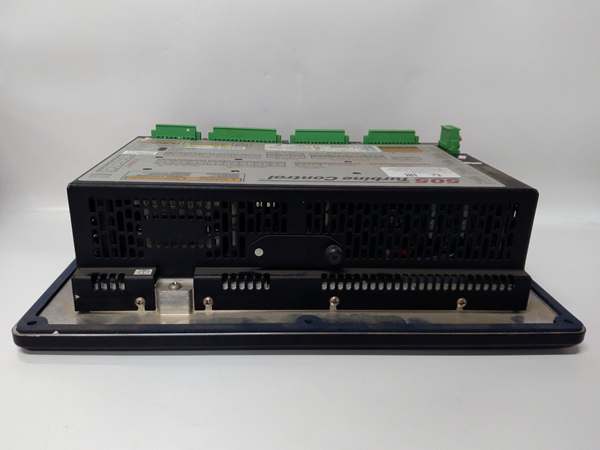
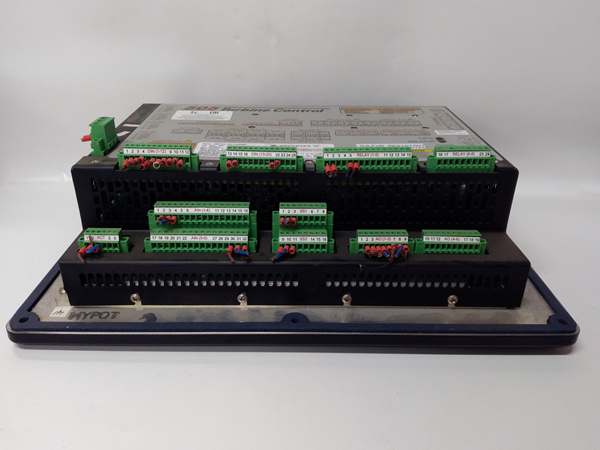
WOODWARD 8200-226
Commercial Availability & Pricing Note
Please note: The listed price is for reference only and is not binding. Final pricing and terms are subject to negotiation based on current market conditions and availability.