Description
9907-167: Product Overview
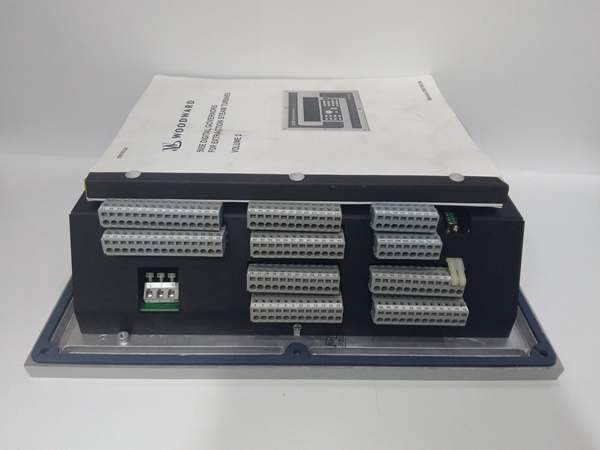
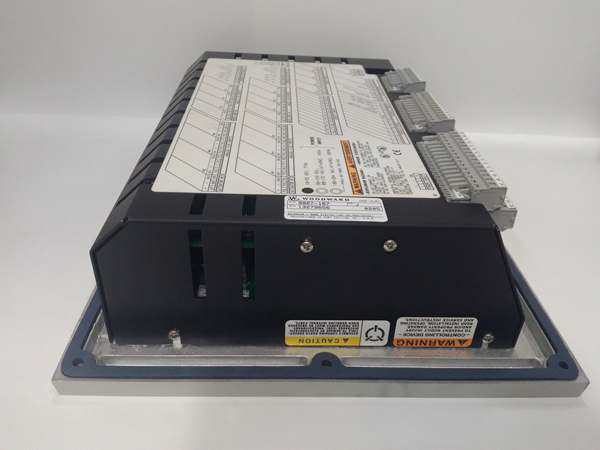
The 9907-167 functions as an advanced digital governor controller within Woodward’s 505E series, specifically engineered for steam turbines requiring extraction or admission (bleed) pressure control capabilities. In the hierarchy of turbine control systems, this unit represents the evolution from basic speed governing to multi-parameter process control—simultaneously managing turbine speed, generator load, and extraction steam pressure to optimize combined heat and power (CHP) or cogeneration system performance.
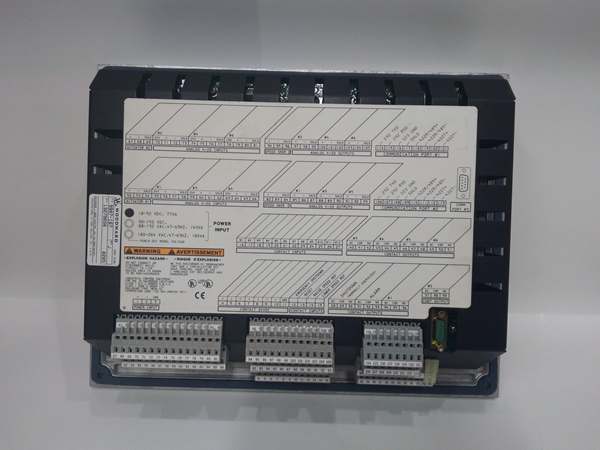
Positioned typically in turbine control panels or local control stations, the 9907-167 operates as a standalone control unit requiring only 18-32 VDC power and appropriate I/O connections to implement complete turbine control with extraction capabilities. Its 32-bit microprocessor architecture executes complex control algorithms that decouple interacting control loops—speed, load, and extraction pressure—that would otherwise fight each other in conventional control schemes. This decoupling allows stable operation across varying electrical load demands and process steam requirements.
The controller’s primary role encompasses four fundamental functions: speed regulation, load control, extraction pressure control, and turbine protection. For speed and load control, the unit accepts magnetic pickup or proximity probe signals indicating turbine rotor speed, compares these against operator-set references, and modulates the main inlet valve actuator to maintain grid frequency and power output. Simultaneously, the extraction control loop monitors bleed steam pressure through dedicated pressure transmitters and positions the extraction valve to maintain process steam header pressure regardless of turbine load changes.
The extraction/admission control capability distinguishes the 9907-167 from basic 505 models. In extraction turbines, steam is withdrawn at intermediate pressure stages for industrial process heating, drying, or absorption chilling. The controller’s ratio/limiter algorithms ensure that extraction demands never compromise turbine safety—maintaining minimum flow through the turbine to prevent overheating and limiting extraction to prevent overspeed if electrical load is suddenly lost. For admission (bleed) turbines, low-pressure steam is admitted to the turbine downstream of the throttle valve, increasing power output while utilizing waste heat.
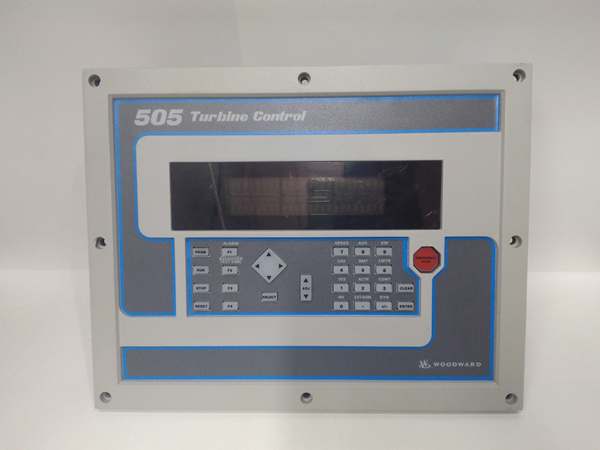
As part of the 505E series ecosystem, the 9907-167 benefits from Woodward’s extensive application experience in turbine control. The menu-driven configuration software, accessible through the front-panel LCD display and 30-key keypad, allows field engineers to configure extraction control setpoints, pressure limits, and valve characterization curves without specialized programming tools. This configurability reduces commissioning time for complex extraction turbine applications and allows control strategy optimization as process requirements evolve.

WOODWARD 9907-167
9907-167: Technical Specifications
-
Model Number: 9907-167
-
Manufacturer: Woodward Inc.
-
Product Type: 505E Digital Governor Controller
-
Series: Woodward 505E Series
-
Application: Single-valve steam turbines with extraction/admission (bleed) control
-
Input Power: 18-32 VDC, 15 W typical consumption
-
Microprocessor: 32-bit embedded processor
-
Speed Input: Magnetic pickup or proximity probe, 1-30 VAC or 0.5-30 VDC, 100-50,000 RPM range
-
Speed Signal Resolution: 0.01% of rated speed
-
Analog Inputs: 6 channels, 4-20 mA, for power, pressure, temperature transmitters
-
Discrete Inputs: 16 channels, 24 VDC, for start/stop, alarm reset, mode selection
-
Actuator Outputs: 2 channels, 4-20 mA or 0-200 mA, for main inlet valve and extraction valve actuators
-
Analog Outputs: 4-6 channels, 4-20 mA, for indication and external monitoring
-
Relay Outputs: 8 channels, Form C, 5 A @ 250 VAC/30 VDC, for alarms, trips, status
-
Communication Ports: RS-232 (service), RS-485/RS-422 (Modbus RTU slave), optional Ethernet (Modbus TCP)
-
Display: 2-line × 24-character LCD with backlight
-
Keypad: 30-key membrane keypad with dedicated function keys
-
Configuration: Menu-driven via front panel or Woodward 505View/OpView PC software
-
Control Algorithms: PID with decoupling, droop/isochronous load sharing, extraction pressure control, ratio/limiter, critical speed avoidance
-
Control Modes: Speed, load, extraction pressure, admission pressure, manual, automatic
-
Event Recorder: 100-event capacity with pre-trip and post-trip data logging
-
Operating Temperature: -40°C to +85°C (-40°F to +185°F)
-
Storage Temperature: -55°C to +90°C (-67°F to +194°F)
-
Humidity: 95% RH non-condensing
-
Enclosure Rating: NEMA 4 (indoor), NEMA 4X (outdoor/corrosive) optional
-
Vibration Resistance: 1.0 G, 5-2000 Hz per IEC 60068-2-6
-
Shock Resistance: 15 G, 11 ms half-sine per IEC 60068-2-27
-
EMC Compliance: IEC 61000-4-2 (ESD), IEC 61000-4-4 (EFT), IEC 61000-4-5 (surge)
-
Dimensions: 14″ W × 11″ H × 4″ D (356 mm × 279 mm × 102 mm)
-
Weight: <4.5 kg (<10 lbs)
-
Certifications: CE, UL, cUL, CSA, Class I Division 2 (hazardous locations optional)
Core Features & Customer Value
Extraction/Admission Control for Cogeneration Optimization: The defining capability of the 9907-167 is simultaneous control of turbine speed/load and extraction steam pressure. In cogeneration facilities, this allows turbines to respond to electrical grid dispatch signals while maintaining constant steam pressure for process heating—maximizing overall thermal efficiency. Without this decoupled control, electrical load changes would disrupt process steam supply, causing production upsets. The ratio/limiter algorithms ensure extraction never exceeds safe limits, protecting the turbine from overheating while optimizing steam utilization.
Wide Voltage Input Range for Flexible Power Sourcing: The 18-32 VDC input range accommodates various plant power infrastructures—24 VDC instrument power, 125 VDC station batteries through DC/DC converters, or distributed 24 VDC power supplies. This flexibility eliminates the need for voltage-specific variants, simplifying spare parts inventory and allowing deployment across global installations with different nominal DC voltages. The wide range also ensures continued operation during battery discharge cycles or power supply voltage sags.
Advanced Decoupling Algorithms for Stable Multi-Loop Control: Steam turbines with extraction present inherently coupled dynamics—opening the extraction valve reduces flow through the turbine stages, decreasing power output and potentially affecting speed. The 9907-167 implements feedforward and decoupling algorithms that anticipate these interactions, automatically adjusting the main inlet valve when extraction demand changes to maintain constant power output. This decoupling prevents the oscillations and instability that plague simple PID controllers on extraction turbines, allowing aggressive tuning for fast response without loop interaction.
Comprehensive Event Recording for Diagnostic Analysis: The 100-event recorder captures time-stamped data for speed, load, extraction pressure, valve positions, and alarm states before and after turbine trips. For extraction turbine applications, this includes tracking extraction valve position versus pressure setpoint deviations—data essential for diagnosing valve sticking, actuator hysteresis, or process-side disturbances. The recorder operates independently of control functions, ensuring forensic data preservation even during controller power loss or processor faults.
Rugged Environmental Design for Harsh Industrial Locations: The -40°C to +85°C operating range and NEMA 4X enclosure option allow installation in uncontrolled environments—outdoor turbine skids, coastal power plants, or arctic climates—without auxiliary heating or cooling. The IP67 protection rating (with appropriate sealing) withstands high-pressure washdowns required in food processing or pharmaceutical cogeneration facilities. This environmental resilience reduces panel complexity and lifecycle costs compared to controllers requiring climate-controlled enclosures.
Integrated HMI and PC Software for Reduced Engineering Costs: The front-panel LCD and keypad provide local operator interface for start/stop, setpoint adjustment, and alarm acknowledgment without external HMI hardware. For engineering access, the 505View or OpView PC software connects via RS-232 or Ethernet, providing trending, parameter editing, and diagnostic displays. This dual interface approach eliminates the need for dedicated operator panel computers in small installations while supporting sophisticated engineering analysis when required.
WOODWARD 9907-167
Typical Applications
Cogeneration and Combined Heat and Power (CHP) Systems: In industrial facilities, universities, and hospitals with on-site power generation, the 9907-167 controls extraction turbines that generate electricity while supplying low-pressure steam for space heating, domestic hot water, or absorption cooling. The controller maintains constant steam header pressure (typically 50-150 psig) for campus heating while responding to electrical load dispatch from facility energy management systems. During summer operation when heating demand drops, the controller minimizes extraction and maximizes power generation; during winter peak heating, it prioritizes steam supply while maintaining grid connection stability.
Paper Mill Steam Turbine Drives: Paper manufacturing facilities utilize the 9907-167 for turbines driving paper machine sections while extracting steam for dryer cans and building heat. The extraction control maintains constant steam pressure to the dryer section regardless of paper machine speed changes—critical for moisture content control and paper quality. The controller’s fast response to sheet breaks (quickly reducing extraction to maintain turbine stability) prevents cascading process upsets that could damage the paper machine clothing or cause reel defects.
Petrochemical Plant Process Steam Optimization: Refineries and chemical plants employ extraction turbines to drive compressors and pumps while supplying process steam at multiple pressure levels to distillation columns, reactors, and stripper units. The 9907-167’s ratio control maintains extraction pressure within tight limits (±2 psi) despite variations in process steam demand, ensuring column stability and product quality. The controller’s load sharing capability allows multiple extraction turbines to operate in parallel, automatically distributing electrical load while maintaining common steam header pressure.
District Heating and Cooling Systems: Municipal and institutional district energy systems utilize the 9907-167 for turbines driving generators while extracting steam for distribution to building heating systems or absorption chillers. The controller’s seasonal optimization allows operators to adjust extraction setpoints based on ambient temperature—maximizing extraction during winter heating peaks, minimizing extraction during summer cooling peaks when absorption chillers operate. The bumpless transfer between operating modes prevents thermal transients in the distribution network.
Food Processing and Pharmaceutical Cogeneration: Facilities requiring both electrical power and sanitary steam for sterilization, cleaning-in-place (CIP), or process heating utilize the 9907-167 for extraction turbine control. The controller’s NEMA 4X enclosure and washdown-rated sealing withstand the aggressive cleaning protocols required in these industries. Precise extraction pressure control ensures consistent steam quality for autoclaves and sterilizers, while speed control maintains power quality for sensitive processing equipment.