Description
Hard-Numbers: Technical Specifications
- Part Number: 9907-151
- Supply Voltage: 24 VDC nominal (18–32 VDC operating range)
- Power Consumption: 15 W maximum
- Speed Sensor Input: Magnetic pickup (MPU), 1–120 Vrms, 10 kΩ impedance
- Analog Inputs: 4 configurable inputs (0–20 mA or 4–20 mA)
- Analog Outputs: 2 configurable outputs (0–20 mA or 4–20 mA)
- Discrete Inputs: 4 optically isolated inputs (sourcing or sinking)
- Discrete Outputs: 2 high-side FET outputs (1 A continuous, 3 A peak)
- Communications: RS-485 Modbus RTU
- Operating Temperature: –40°C to +70°C (–40°F to 158°F)
- Isolation Rating: 500 VDC between I/O and logic circuits
- Mounting: DIN-rail or panel mount
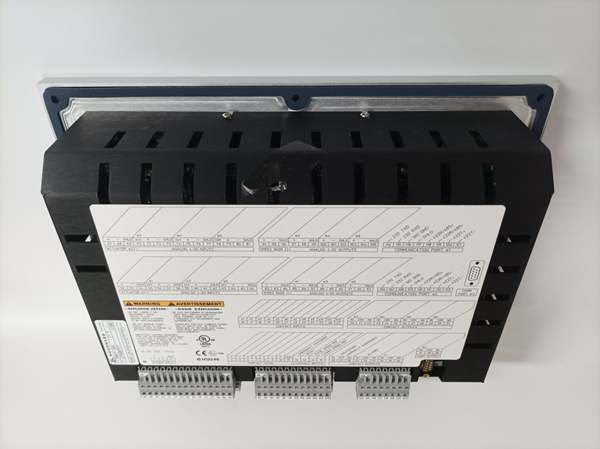
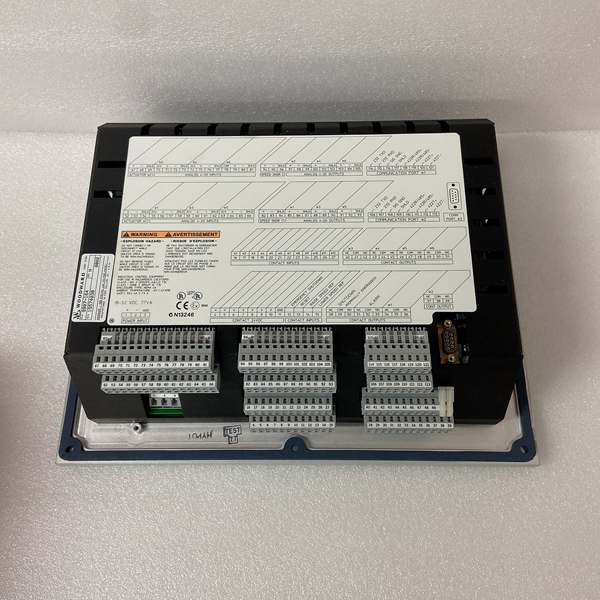
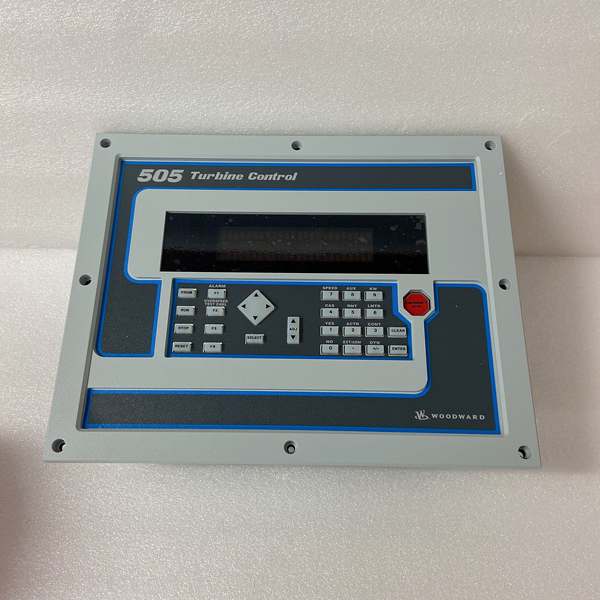
Woodward 9907-151
The Real-World Problem It Solves
Trying to manually govern a modern generator or keep a process turbine on speed without a dedicated digital controller is a recipe for disaster. Before units like the 2301D, you were stuck with clunky analog governors that couldn’t handle the complex fuel curves of modern prime movers, leading to frequent overspeed trips and unstable frequency during load swings.
Where you’ll typically find it:
- Bolted to the backplate of a generator control cubicle, right next to the automatic voltage regulator (AVR).
- DIN-rail mounted inside the local control panel of a natural gas compression station.
- Serving as the primary speed governor for a steam turbine drive, replacing an aging, unreliable hydro-mechanical governor.
This module eliminates the guesswork by providing a rock-solid, software-configurable PID loop that adapts to the specific dynamics of your prime mover, ensuring your frequency stays locked in whether you are running standalone or parallel to the grid.
Hardware Architecture & Under-the-Hood Logic
The 2301D architecture is built around a dedicated microcontroller that executes the control algorithm independently of any external communications. It’s designed to fail-safe; if it loses its mind, it defaults to a known state to prevent a runaway.
- Magnetic Pickup (MPU) Interface: The unit conditions the sinusoidal input from the gear speed sensor, converting it into a stable frequency signal for precise RPM calculation.
- Control Law Execution: The processor continuously compares the actual speed (from the MPU) and load (from analog inputs) against the setpoint. It then computes the required actuator position using its internal PID and load-sharing algorithms.
- Output Amplifier Stage: The processed control signal is driven out through robust FETs or relay drivers to the final actuator (like a 8404 series valve or a proportional solenoid), adjusting the fuel or steam admission in real-time.
Field Service Pitfalls: What Rookies Get Wrong
MPU (Magnetic Pickup) Gap Setting
A rookie replaces a failed speed sensor on a 2301D-equipped engine. They thread it in until it bottoms out, tighten it down, and wonder why the unit throws a “Loss of Speed Signal” fault the moment the engine turns over.
- Field Rule: You must set the MPU air gap correctly. Thread the sensor in until it gently touches the flywheel gear teeth, then back it off exactly 3/4 of a turn (or as specified by the sensor manufacturer, usually 0.020″ – 0.040″). Lock it down with the jam nut and verify you have a clean, 2-10 VAC sine wave on your oscilloscope before declaring victory.
The “Phantom” Reverse Power Trip
Two gensets are running in parallel, both loaded heavily. Suddenly, one unit trips offline on reverse power, even though the load share wires are connected. The rookie checks the CTs and finds them wired correctly.
- Field Rule: Check the Load Share Polarity configuration in the 2301D software. If the “Reverse Power Trip” function is enabled but the CT polarity is set incorrectly in the software menu (or vice versa), the controller will think it’s exporting negative power as soon as the other gen picks up the load. Match the physical CT orientation to the software polarity setting, and the tripping will stop.
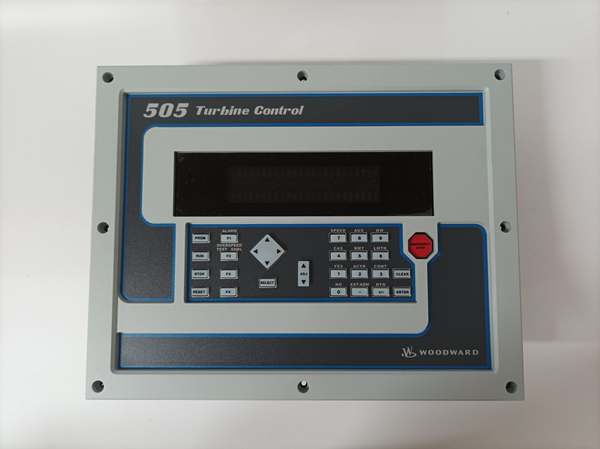
Woodward 9907-151
Commercial Availability & Pricing Note
Please note: The listed price is for reference only and is not binding. Final pricing and terms are subject to negotiation based on current market conditions and availability.