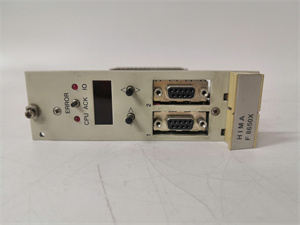
Description
Hard Numbers: Technical Specifications
- Input Voltage Range: 18–32 VDC (24 VDC nominal)
- Number of Channels: 16 Discrete I/O Channels
- Output Current Capability: Sourcing configuration, rated for industrial logic levels
- Logic Threshold (ON): Typically >18 VDC
- Logic Threshold (OFF): Typically <5 VDC
- Isolation Voltage: 500 VDC or higher (Channel-to-Backplane/System Ground)
- Operating Temperature: 0°C to +60°C (32°F to 140°F) standard industrial rating
- Communication Interface: MicroNet Backplane Bus
- Diagnostic Features: Open-circuit detection, short-circuit protection, and individual channel status reporting
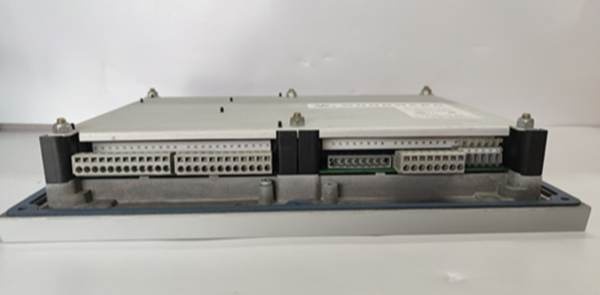
The Real-World Problem It Solves
In a turbine or compressor package, you have dozens of dry contacts, proximity switches, and solenoid valves that need to talk to your main controller. Trying to wire these directly into a CPU’s fragile I/O pins is asking for a burnt-out motherboard. The 8406-113 acts as a heavily protected, industrial-strength buffer. It takes the hits from the field wiring—voltage spikes, noise, and short circuits—so your expensive MicroNet CPU doesn’t have to.
Where you’ll typically find it:
- Mounted in a MicroNet rack, reading the status of lube oil pumps, emergency stop buttons, and fire alarms.
- Driving the discrete logic for fuel solenoid valves and starting air sequencers on gas turbines.
- Handling the digital handshakes between a compressor control panel and the main plant DCS.
It isolates your sensitive control electronics from the electrically noisy outside world.
Hardware Architecture & Under-the-Hood Logic
This module is a fortress of protection and signal conditioning. It doesn’t process complex algorithms; its job is to ensure that a “1” is truly a “1” and a “0” is truly a “0,” even in a hurricane of electrical noise.
- Signal Conditioning: Field inputs pass through RC filters and optoisolators. This strips out electrical noise from VFDs and contactor chatter, presenting a clean logic signal to the backplane.
- Output Drive Stage: The sourcing outputs use robust semiconductor switches capable of handling industrial inductors (like solenoid valves) without frying the rest of the system.
- Diagnostic Monitoring: An onboard microcontroller constantly monitors the health of each channel. It detects open wires on inputs and over-current conditions on outputs, flagging faults directly to the CPU.
- Backplane Communication: The module packages the 16 channels of status data and ships it across the MicroNet backplane to the main CPU in real-time.
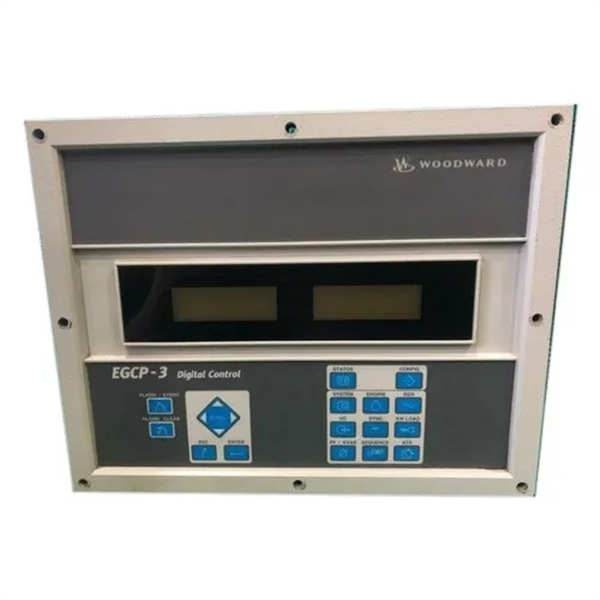
Field Service Pitfalls: What Rookies Get Wrong
Floating Inputs Reading as “Active”
Rookies terminate their discrete inputs using only two wires (Signal and Common). In a high-electrical-noise environment like a switchgear room, the unshielded wire acts as an antenna. Stray electromagnetic fields induce enough voltage to toggle the input, making the system think a pump has started when it hasn’t.
- Field Rule: Always use 3-wire sinking/sourcing configurations for critical discrete inputs, or ensure your 2-wire sensors have a very low impedance. Better yet, use twisted-pair shielded cable for any discrete run longer than 50 feet. Ground the shield at the source end only.
Sinking vs. Sourcing Mismatches
The 8406-113 is typically a sourcing output module (it provides the positive voltage). Rookies try to connect it directly to a device that expects a sinking input (a device that provides the ground). The result is a voltage deadlock where the output never actually switches states.
- Quick Fix: Before wiring, put a multimeter on the output terminal with the system powered. You should read 24VDC relative to ground when the output is commanded “ON.” If your field device expects to sink current, you must provide the common ground reference separately. Check the device’s datasheet for its switching logic.
Ignoring the Common (COM) Bussing
When multiple outputs on the 8406-113 are wired to different devices, rookiеs get lazy and daisy-chain the 0VDC commons through the field devices. If one device has an internal short to ground, it back-feeds through the common wire, turning on other outputs unexpectedly.
- Field Rule: Run individual home-run wires for both the 24VDC supply and the 0VDC return for each critical output. Terminate them all at a dedicated, heavy-gauge power distribution block. If a device shorts out, it only blows the fuse on its dedicated circuit, leaving the rest of the I/O rack untouched.
Commercial Availability & Pricing Note
Please note: The listed price is for reference only and is not binding. Final pricing and terms are subject to negotiation based on current market conditions and availability.