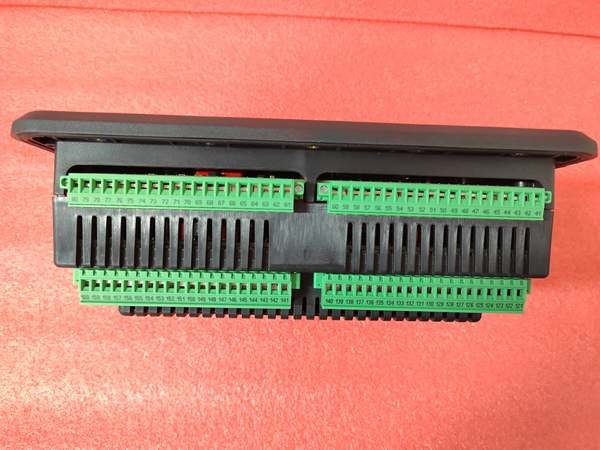
Description
Hard-Numbers: Technical Specifications
- Rated Voltage: 12 VDC
- Coil Configuration: Dual coil (Pull + Hold) wired in parallel
- Pull Current: 28 A (momentary inrush)
- Hold Current: 1.67 A (continuous duty)
- Pull Force: 9 lbs (40 N) at 12VDC
- Hold Force: 22 lbs (98 N) at 12VDC
- Stroke Length: 0.8 inches (20.3 mm) nominal
- Duty Cycle: Intermittent (Pull) / Continuous (Hold)
- Operating Temperature: -40°C to +85°C
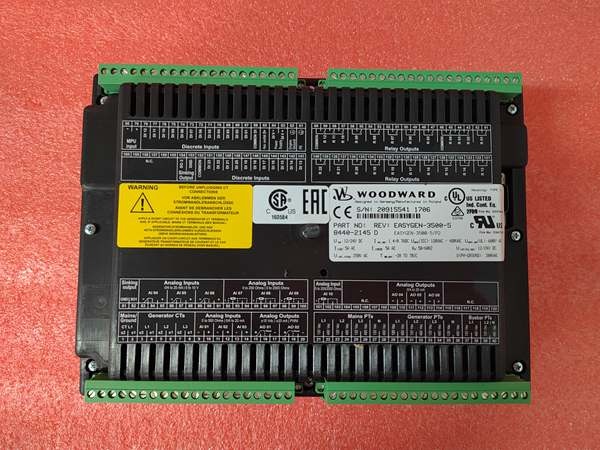
The Real-World Problem It Solves
When an engine experiences a catastrophic fault like overspeed or total loss of lubrication, you need it to stop now, not in 30 seconds. This solenoid acts as the physical gatekeeper for the fuel rack. It ensures that the engine either stays securely shut down when de-energized or receives the exact mechanical leverage needed to initiate a rapid, controlled fuel cutoff during emergencies.
Where you’ll typically find it:
- Mounted directly on the fuel injection pump of Cummins diesel generators (e.g., Onan series).
- Integrated into the throttle linkage of industrial fire pump engines as the primary NFPA-compliant shutdown device.
Bottom line: It’s a fail-safe, gravity-assisted mechanical lock that guarantees the fuel rack returns to the “zero fuel” position if the magic 12-volt signal ever drops out.
Hardware Architecture & Under-the-Hood Logic
Unlike a simple single-coil relay, the 8250-1501 uses a rugged dual-coil configuration to balance the conflicting demands of high mechanical force and thermal management.
- The Pull Coil: When 12VDC is initially applied, both the pull and hold coils are energized. The pull coil has very low resistance, drawing a massive ~28A burst of current to generate a powerful magnetic field.
- Plunger Engagement: This intense magnetic field overcomes the spring tension and any static friction, violently snapping the steel plunger upward into the solenoid body.
- The Hold Coil: As the plunger seats, the hold coil (which has much higher resistance) takes over the primary magnetic load, keeping the plunger securely locked in the “run” position.
- Mechanical Linkage: The plunger is physically pinned to the engine’s fuel rack. When pulled, it retracts a locking pin or shifts the rack, allowing the mechanical governor to modulate fuel.
- Fail-Safe Dropout: The moment the 12V signal is removed, the magnetic field collapses, and the heavy internal spring forces the plunger downward, physically driving the fuel rack to the shutoff position.
Field Service Pitfalls: What Rookies Get Wrong
Undersized Wiring and Relay Contacts
The 28-amp inrush current will fry a standard 10-amp relay or melt 18-gauge wire in minutes. Rookies often overlook the massive initial current spike because the continuous hold current is only 1.67 amps.
Field Rule: Use a dedicated high-current starter solenoid or a 40-amp rated relay to switch the primary 12V feed. Run minimum 12AWG stranded copper wire directly from the battery bus, fused appropriately.
Incorrect Stroke Adjustment (Mechanical Binding)
If the solenoid’s clevis or linkage isn’t adjusted correctly, the plunger won’t travel the full 0.8 inches. If the plunger stops short, the magnetic flux dramatically decreases, causing the solenoid to drop out under vibration.
Quick Fix: With the engine stopped and the solenoid de-energized, manually push the plunger up to simulate activation. Measure the exposed shaft; it must fully extend to match the engine manufacturer’s specified fuel linkage travel (usually via a set screw or jam nut adjustment).
Heat Soak and Internal Shorting
Mounting this solenoid directly onto a hot exhaust manifold or a poorly grounded engine block leads to premature failure. The intense radiant heat breaks down the coil insulation, resulting in a dead short to ground.
Field Rule: If the mounting location is near extreme heat sources, fabricate a simple aluminum heat shield. Always verify you have less than 0.1 ohms of resistance between the solenoid mounting bracket and the engine block negative terminal.
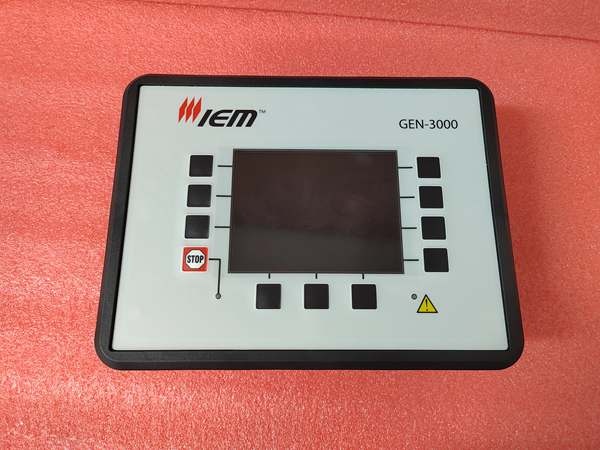
8440-2189
Commercial Availability & Pricing Note
Please note: The listed price is for reference only and is not binding. Final pricing and terms are subject to negotiation based on current market conditions and availability.