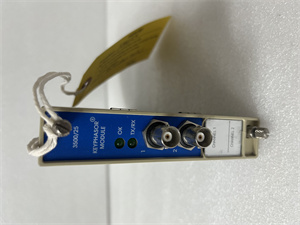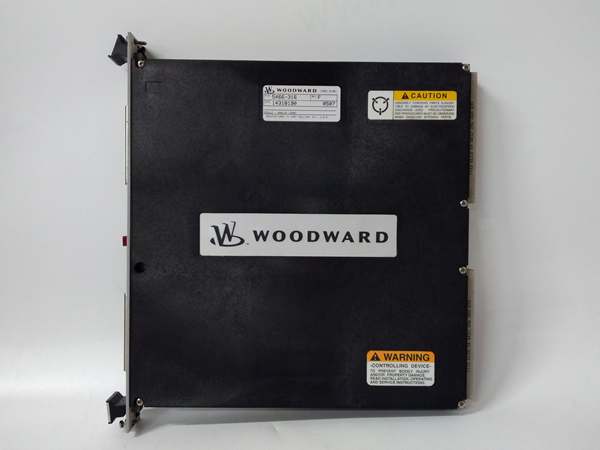
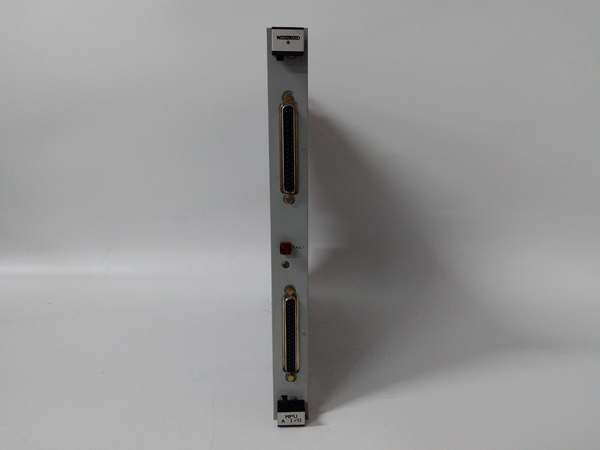
Description
Hard Numbers: Technical Specifications
- Command Input: 4–20 mA (Standard), 0–10 VDC, or ±10 VDC (Jumper/Software selectable)
- Output Drive Capacity: 4–20 mA (into a 750Ω load typical for valve positioners)
- LVDT Excitation: 3 VAC to 24 VAC RMS (Fixed frequency, typically 60 Hz or 400 Hz)
- LVDT Feedback Input: Compatible with 3-wire, 4-wire, 5-wire, or 6-wire LVDTs (0–135 VAC RMS range)
- Isolation Rating: 500 VDC minimum (Field I/O isolated from chassis ground)
- Operating Temperature: -40°C to +70°C (-40°F to +158°F)
- Enclosure Type: Enclosed, flanged mount (Designed for NEMA 4 / IP65 when properly installed)
- Power Supply: 18–32 VDC (24 VDC or 32 VDC nominal)
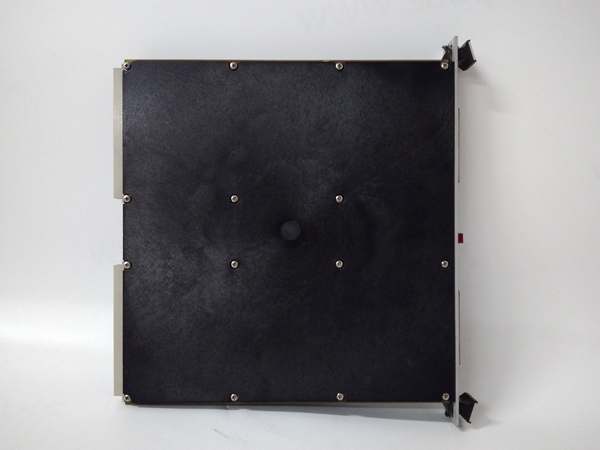
WOODWARD 5466-031
The Real-World Problem It Solves
Modern DCS systems and legacy governors often struggle to drive heavy inductive loads like large servo valves or hydraulic actuators directly. The 8239-018 acts as a dedicated buffer and signal conditioner. It takes the clean, low-power command from your control room and isolates it from the electrical noise, ground loops, and voltage spikes commonly found on the plant floor.
Where you’ll typically find it:
- Mounted inside a local junction box on a gas compressor skid, interfacing a modern DCS to an old hydraulic fuel stroke control.
- Bolted to the side of a steam turbine control panel, driving the inlet valve actuator.
- In retrofit applications where the original analog positioner has failed, and a direct replacement is needed without rewriting the entire control logic.
It prevents signal degradation over long cable runs and protects your expensive control system electronics from field-side electrical noise.
Hardware Architecture & Under-the-Hood Logic
The 8239-018 is a rugged, purpose-built analog conditioning and amplification module. There are no microprocessors or firmware to worry about—just pure hardware reliability.
- Input Isolation: The incoming 4-20mA or ±10V command signal passes through a high-precision isolation amplifier. This completely decouples the DCS ground from the local actuator ground, eliminating ground loop currents.
- Error Amplification: The isolated command signal is compared against the actual valve position (fed back by the LVDT). A high-gain operational amplifier generates an error signal proportional to the difference between the two.
- Output Stage: The error signal drives a robust current-output transistor stage. This stage actively sources or sinks current to the actuator coil, fighting against any pressure or friction that tries to move the valve away from the setpoint.
- LVDT Demodulation: An internal precision rectifier and filter circuit convert the raw AC feedback from the LVDT into a stable DC voltage. This provides a clean position signal back to the governor for monitoring and diagnostics.
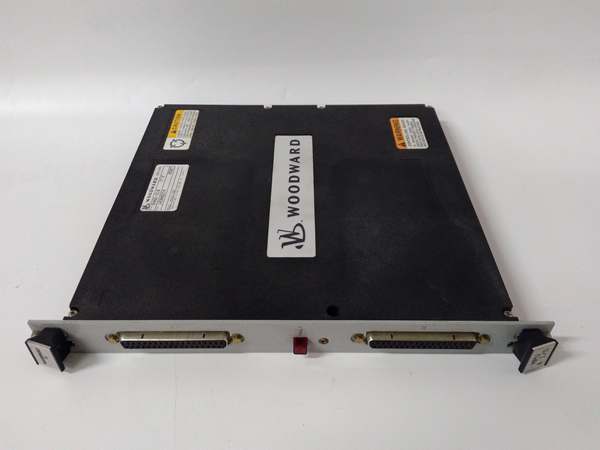
WOODWARD 5466-031
Field Service Pitfalls: What Rookies Get Wrong
Creating a “Ground Loop” Nightmare
Rookies assume that a 4-20mA current loop doesn’t care about grounding. They connect the negative (-) terminal of the 8239-018 input to the DCS ground, and also bond the 8239-018 chassis to the local plant ground. Even a tiny voltage difference (millivolts) between the two grounds will inject noise into the signal, causing the valve to drift or oscillate.
- Field Rule: Never bond the input signal ground to the chassis ground if the DCS is already grounding the signal at the source. Use a multimeter to check the resistance between the DCS ground and the local actuator ground. If you read anything other than 0.0 ohms, you have a ground loop waiting to happen. Lift the local ground connection on the 8239-018 and see if the valve stabilizes.
Miswiring the LVDT and Causing a 180-Degree Phase Shift
The 8239-018 excites the LVDT with an AC voltage. Rookies rush the wiring and swap the polarity of the LVDT excitation leads. Because AC doesn’t have a “positive” and “negative” per se, the valve might still move, but the feedback signal will be 180 degrees out of phase with the command.
- Quick Fix: If you command the valve to open 10% and it immediately slams shut, you have a phase reversal. Swap the two LVDT excitation wires at the 8239-018 terminals. The valve should instantly stabilize and track the command smoothly.
Over-Damping the Valve (Sluggish Response)
When a valve hunts (oscillates) around its setpoint, rookies instinctively try to “detune” the system by increasing the damping or decreasing the gain. They smother the loop so much that the valve becomes sluggish. When the turbine demands a rapid load change, the valve can’t keep up, causing the unit to trip on “Slow Speed” or “Excessive Droop.”
- Field Rule: If the valve is hunting, check for mechanical issues first (sticking linkage, dirty hydraulic fluid). If the mechanics are solid, adjust the Compensation or Derivative pot on the 8239-018 in small increments (5-10 degrees at a time). Watch the valve’s step response on a trend recorder. You want the valve to reach the setpoint quickly with only one or two slight overshoots before settling down. If it looks like a smooth, flat line, your tuning is likely too aggressive.
Commercial Availability & Pricing Note
Please note: The listed price is for reference only and is not binding. Final pricing and terms are subject to negotiation based on current market conditions and availability.