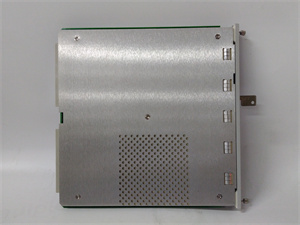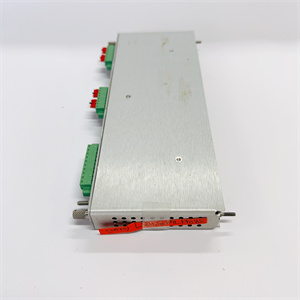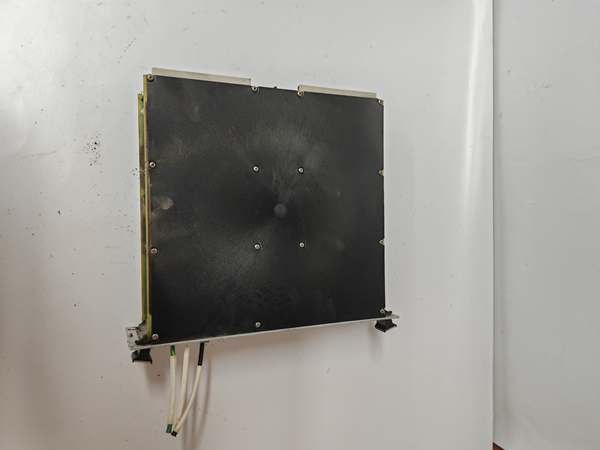
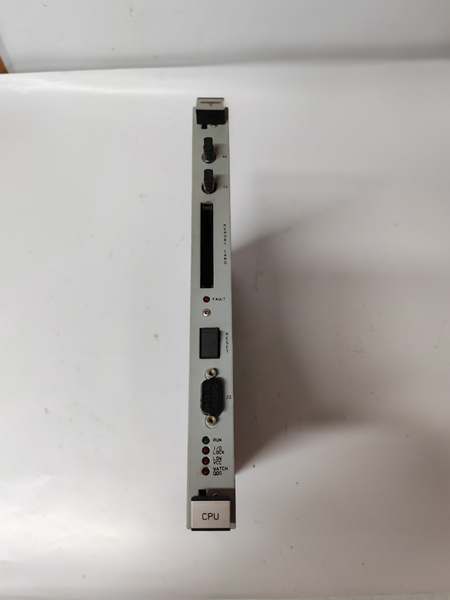
Description
Hard Numbers: Technical Specifications
- Processor Architecture: 32-bit Microprocessor
- System Memory: 2 MB Dual Port Memory (DPM)
- Non-Volatile Storage: Battery-backed SRAM (Maintains program and state during power loss)
- Scan Time (Typical): 15 ms to 45 ms (Dependent on application complexity and I/O count)
- Communication Ports: 2x RS-232/485 Configurable Serial Ports, plus Backplane Bus interface
- Isolation Rating: 500 VDC minimum (Communication ports to system ground)
- Operating Temperature: 0°C to +60°C (32°F to 140°F)
- Power Supply Requirement: 18–36 VDC (Typically 24 VDC or 32 VDC nominal from MicroNet rack)
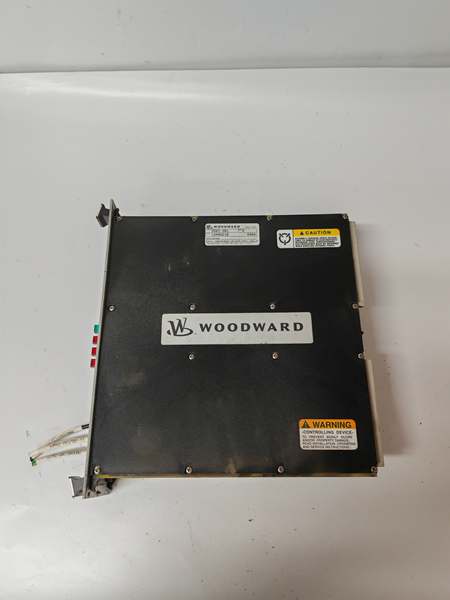
The Real-World Problem It Solves
In critical rotating equipment like gas compressors or steam turbines, a single-point failure in the control system can lead to a catastrophic trip, costing millions in lost production. Standard redundant systems (like a hot-standby pair) still have a blind spot: what if the active CPU has a subtle internal fault that causes it to output bad data? The 5501-376 solves this by operating in a Triple Modular Redundant (TMR) architecture. It constantly cross-compares its data with two identical partner CPUs. If one CPU drifts out of sync or produces a faulty calculation, the other two vote it out and force a safe shutdown, eliminating false trips caused by hardware degradation.
Where you’ll typically find it:
- Mounted in the core of a MicroNet TDI rack, executing the main protection and control logic for a Frame 7EA gas turbine.
- Processing high-speed trip signals and fuel stroke references in ammonia production plant compressors.
- Serving as the primary logic solver in mechanical drive steam turbines where unscheduled downtime is not an option.
It ensures your most critical assets only trip when there is a genuine process threat, not because a capacitor dried out on a single logic board.
Hardware Architecture & Under-the-Hood Logic
This isn’t your average PLC CPU running a Linux kernel; it’s a deterministic, bare-metal execution engine designed for high-speed boolean and floating-point math.
- Deterministic Scan Cycle: The CPU executes the user’s control strategy (compiled from function blocks or ladder logic) in a fixed, predictable time slice. This ensures that critical protection functions, like overspeed detection, respond within milliseconds.
- Dual Port Memory (DPM): The 2 MB DPM acts as the central data highway. It allows the CPU to access I/O data and communicate with operator interfaces (HMI) simultaneously without causing bus contention or scan time jitter.
- TMR Cross-Communication: Via the backplane, this CPU continuously synchronizes with its neighbors. They exchange checksums of their I/O images and logic outcomes. If CPU A calculates a valve command of 50% and CPU B calculates 52%, the system flags a “dissimilarity” fault.
- Battery-Backed SRAM: The onboard lithium battery (which you better be checking during outages) maintains the volatile memory map during power outages. This allows the turbine to resume exactly where it left off once power is restored, preventing nuisance trips during facility-wide brownouts.
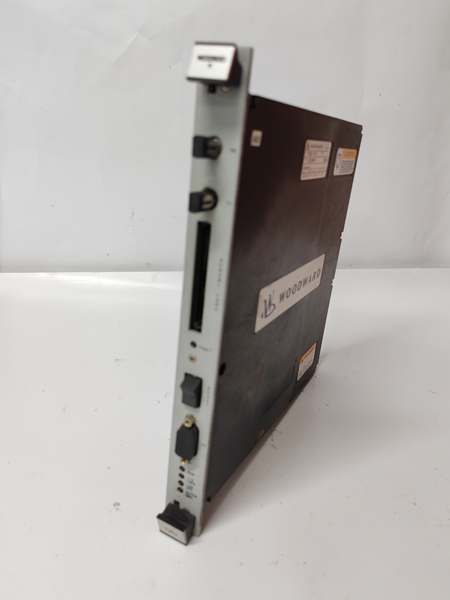
Field Service Pitfalls: What Rookies Get Wrong
Ignoring the Battery Until It’s Too Late
The 5501-376 relies on a 3.6V lithium battery to keep the SRAM alive during power cycles. Rookies assume the battery lasts forever. Five years down the line, they perform a routine power down for maintenance, and when they power back up, the CPU throws a “Memory Corrupt” fault. The entire turbine sequence must be reloaded from scratch, delaying startup by four hours.
- Field Rule: Replace the CPU battery every 3 to 5 years, regardless of the manual’s “10-year shelf life” claim. During your annual outage, check the battery voltage while the system is live. If it’s below 3.0V, swap it out. Log the replacement date directly on the module with a paint pen.
Chasing Ghosts Caused by “Dissimilarity” Trips
When a TMR system trips on a “2-out-of-3 Dissimilarity” fault, rookies immediately assume the 5501-376 CPU is defective. They spend thousands on an emergency overnighted replacement. Meanwhile, the real culprit is a loose 24VDC field wire on a discrete input card causing one CPU to read a “0” while the other two read a “1”.
- Quick Fix: Never swap a TMR CPU without first pulling the diagnostic logs via the service port. Look at the exact millisecondthe dissimilarity occurred. Did an I/O module drop off the bus? Did a sensor short? 90% of the time, the CPU is innocent; it’s just the only component smart enough to report the lie it was fed by the field wiring.
Mixing Up Download vs. Online Changes
Rookies get comfortable making online edits to the control logic. One day, they make a change to the fuel ramp rate, download it to the active CPU, and walk away. Two days later, a slight power fluctuation causes the secondary CPU to take control. Because the secondary CPU was never updated with the new logic, it defaults to the old ramp rate, causing a massive pressure spike and a subsequent process trip.
- Field Rule: In a TMR system, always, always perform a “Broadcast Download” to ensure all three CPUs are running the exact same checksum. Verify the active, standby, and offline CPUs all report the identical software version and logic CRC before signing off the work order.
Commercial Availability & Pricing Note
Please note: The listed price is for reference only and is not binding. Final pricing and terms are subject to negotiation based on current market conditions and availability.