Description
Hard-Numbers: Technical Specifications
- Protocol Support: SAE J1939 CAN bus, Analog MPU input
- Port Count: 1x MPU input, 1x Actuator output, 1x Power input
- Baud/Data Rate: 250 kbps (CAN)
- Operating Temperature: -40°C to +85°C
- Isolation Rating: 1500V between power and signal circuits
- Power Draw: 12V or 24V DC, typical 2A
- Speed Range: 0 to 6000 RPM
- Control Accuracy: ±0.25% of setpoint
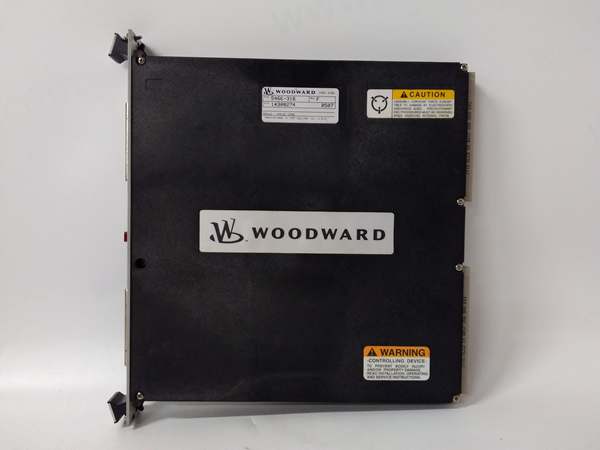
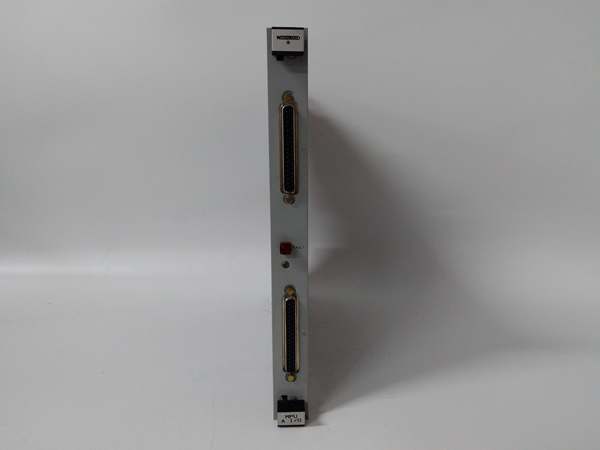
Woodward 5466-1045
The Real-World Problem It Solves
Engines without proper speed governing will surge or bog down when load changes hit. This module eliminates that instability by actively adjusting fuel flow in real time.
Where you’ll typically find it:
- Mounted on Cummins diesel engines in standby generator sets.
- Installed on marine propulsion engines requiring tight speed regulation.
Bottom line: It prevents the engine from hunting and protects connected equipment from power fluctuations.
Hardware Architecture & Under-the-Hood Logic
The 4948667 is a standalone microprocessor-based controller that sits between the engine’s speed sensor and the fuel actuator. It processes sensor data and drives the actuator with a modulated current signal.
- Reads the magnetic pickup (MPU) signal to calculate current engine speed.
- Compares actual speed to the target RPM setpoint stored in memory.
- Executes PID algorithm to compute the necessary fuel adjustment.
- Outputs a proportional current to the fuel actuator to correct speed deviation.
- Monitors system health and triggers alarms for faults like overspeed or sensor loss.
Field Service Pitfalls: What Rookies Get Wrong
MPU Gap Setting
Guessing the air gap leads to weak or noisy speed signals, causing erratic governor response.
Field Rule: Use a feeler gauge to set the gap between 0.020″ and 0.030″ (0.5mm to 0.75mm). Verify AC voltage exceeds 1.5Vpp at cranking speed.
Actuator Calibration
Skipping calibration after actuator replacement results in non-linear fuel control and potential overspeed.
Quick Fix: Run the built-in calibration routine via the engine ECM to map the actuator’s full stroke.
Grounding Issues
Poor grounding introduces electrical noise that disrupts the PID loop, causing the engine to hunt.
Field Rule: Bolt the module’s ground terminal directly to the engine block, not to a painted surface or shared bus bar.
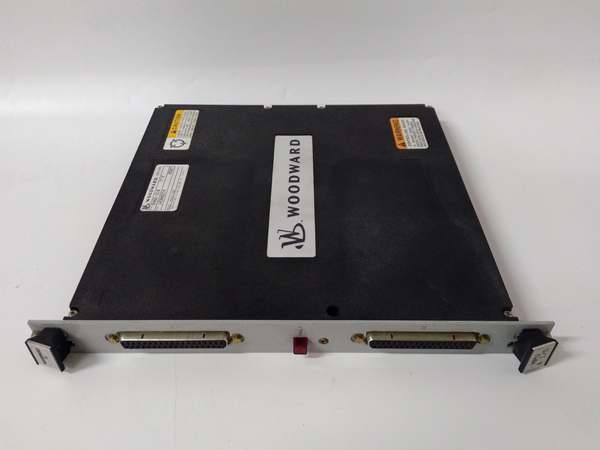
Woodward 5466-1045
Commercial Availability & Pricing Note
Please note: The listed price is for reference only and is not binding. Final pricing and terms are subject to negotiation based on current market conditions and availability.