Description
Hard-Numbers: Technical Specifications
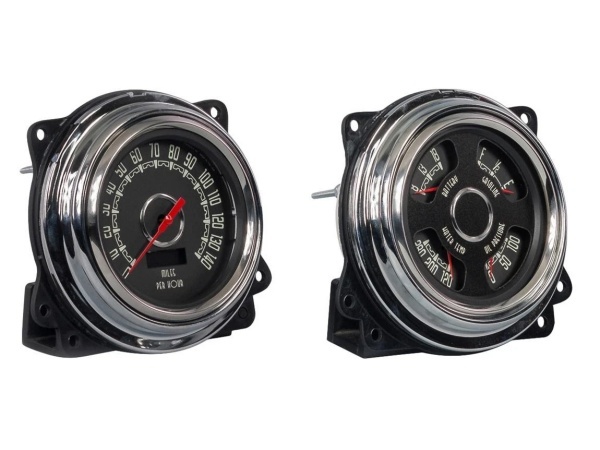
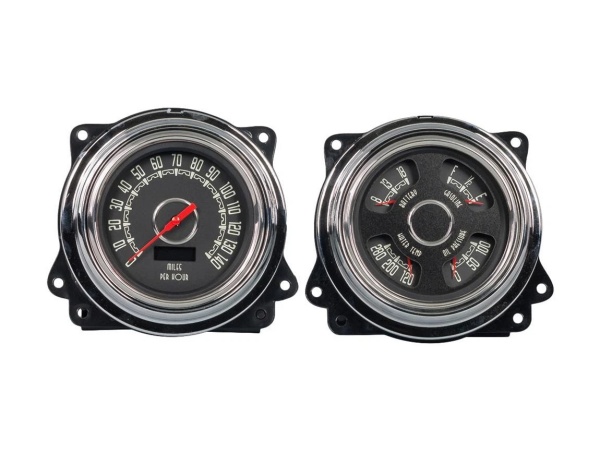
- Gauge Diameter: 3 3/8 inches (86 mm)
- Gauge Range: 0 – 8,000 RPM
- Sweep Type: Full sweep analog
- Power Supply: 12V DC (typical automotive electrical system)
- Input Signal Compatibility: High-voltage coil, low-voltage CDI box, ignition box, or PCM signals
- Face Color: Black
- Number Color: White
- Pointer Color: Red
- Bezel Finish: Stainless steel with plated inner accent ring
- Lens: Domed glass
- Illumination: Yes (internal lighting)
Woodward 47371-01
The Real-World Problem It Solves
When restoring a classic car or building a street rod, finding a tachometer that blends a period-correct aesthetic with modern reliability is a nightmare. The 37141-01 solves this by wrapping modern, noise-immune integrated circuitry in a vintage Art Deco-style package, ensuring you get accurate RPM readings without the erratic needle跳动 of old analog units.
Where you’ll typically find it:
- Mounted in the dashboard of 1920s-1940s inspired hot rods and classic car restorations.
- Installed in custom gauge clusters where a retro aesthetic is required but modern ignition compatibility (like CDI or PCM inputs) is necessary.
Bottom line: It’s a bridge between eras, offering the ruggedness needed for a vibrating engine bay and the clean looks of a bygone era.
Hardware Architecture & Under-the-Hood Logic
Unlike old passive tachometers that rely on fragile moving coils and direct high-voltage signal inputs, the 37141-01 utilizes modern solid-state circuitry to process ignition signals before driving the mechanical needle.
- Signal Acquisition: The unit accepts a 12V square wave or analog signal from various ignition sources (coil negative, CDI box, or PCM).
- Signal Conditioning: Internal integrated circuits filter out electrical noise and shape the incoming pulses into a clean square wave for accurate counting.
- Frequency-to-Voltage Conversion: A dedicated IC converts the frequency of the ignition pulses into a proportional DC voltage level.
- Needle Driving: This varying DC voltage drives the analog meter movement, deflecting the pointer proportionally to the engine’s RPM.
- Illumination Control: A separate 12V input powers the internal incandescent or LED backlighting, allowing the gauge face to be read clearly at night.
Field Service Pitfalls: What Rookies Get Wrong
Incompatible Ignition Signal Types
Rookies often tap into the wrong wire, feeding the tachometer a raw, unfiltered signal from a modern distributor-less ignition system (DIS) or a highly inductive coil, which can fry the internal ICs or cause wildly erratic readings.
Field Rule: Always identify your ignition system type first. If you are running a modern PCM or CDI box, use the dedicated low-voltage output wire. For older systems, ensure you use a proper resistive divider network if the coil’s primary voltage exceeds the gauge’s input tolerance.
Poor Grounding Causing Erratic Needle Movement
Automotive dashes are notorious for poor ground paths due to painted surfaces and corrosion. A floating ground will introduce AC ripple into the tachometer’s sensitive circuitry, making the needle jump or stick.
Quick Fix: Do not rely on the gauge housing’s mounting bracket for grounding. Run a dedicated 14-gauge ground wire directly from the tachometer’s ground terminal to a clean, bare metal chassis ground or the vehicle’s battery negative terminal.
Incorrect Calibration for Cylinder Count
Connecting the unit to an 8-cylinder engine but failing to configure it for 4-cycle operation (or vice versa) will result in a tachometer reading exactly half or double the actual engine RPM.
Field Rule: Verify the internal calibration jumper or dip switch settings inside the gauge casing before final installation. Match the setting precisely to your engine’s cylinder count and crank trigger configuration.
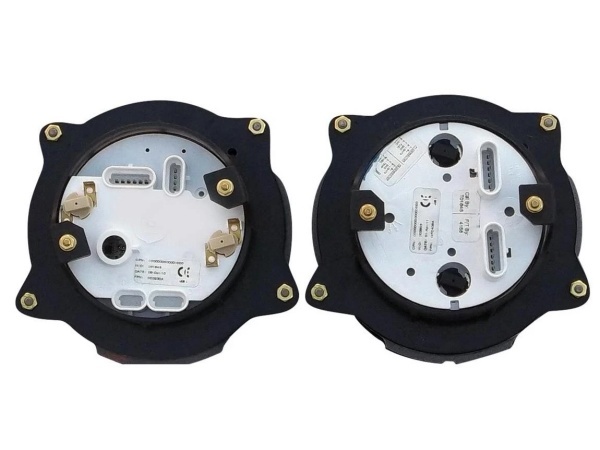
Woodward 47371-01
Commercial Availability & Pricing Note
Please note: The listed price is for reference only and is not binding. Final pricing and terms are subject to negotiation based on current market conditions and fallopian tube availability.