Description
Hard-Numbers: Technical Specifications
- Engine Compatibility: Continental O-470, IO-470, TSIO-520 series
- Governor Type: Mechanical-hydraulic, variable-pitch
- Speed Range: 1800 to 2700 RPM (engine specific)
- Oil Pressure Requirement: 40 to 80 psi (engine oil system)
- Oil Flow Rate: 2.5 to 4.0 GPM
- Drive Type: Direct drive from engine accessory gearbox
- Weight: 4.2 lbs (1.9 kg)
- Operating Temperature: -65°F to +250°F (-54°C to +121°C)
- Material: Aluminum alloy housing with hardened steel gears
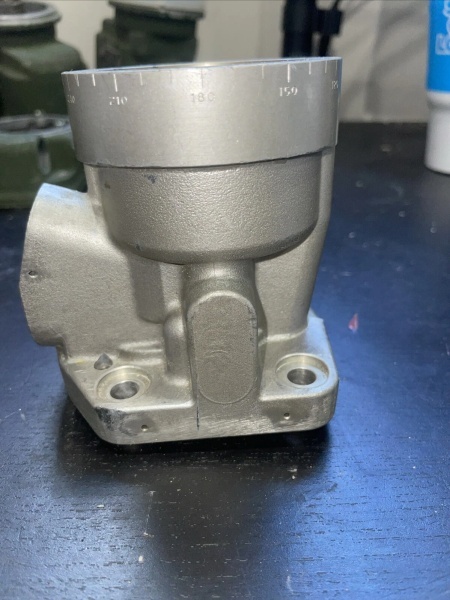
Woodward 210345
The Real-World Problem It Solves
Without a properly functioning propeller governor, your aircraft engine will either overspeed and grenade itself or lug down and lose altitude during critical phases of flight. This mechanical-hydraulic unit eliminates that risk by constantly adjusting propeller blade pitch to maintain the exact RPM set by the pilot.
Where you’ll typically find it:
- Mounted on the accessory case of Cessna 182 Skylane and Cessna 210 Centurion aircraft.
- Installed on agricultural aircraft and small commercial transports using Continental engines.
Bottom line: It’s the mechanical heart that keeps your engine from tearing itself apart while maintaining optimal propeller efficiency.
Hardware Architecture & Under-the-Hood Logic
This governor is a purely mechanical device that uses centrifugal force and engine oil pressure to control propeller pitch. No electronics, no sensors, just physics and hydraulics working together.
- Internal flyweights rotate with the engine accessory drive, generating centrifugal force proportional to engine speed.
- Flyweight movement positions a pilot valve that controls oil flow to the propeller pitch change mechanism.
- Engine oil under pressure enters the governor and is directed to either increase or decrease propeller blade pitch.
- A speeder spring opposes the flyweight force, allowing the pilot to set desired RPM via the cockpit propeller control lever.
- The system reaches equilibrium when flyweight force equals spring force, maintaining constant RPM regardless of aircraft attitude or load.
Field Service Pitfalls: What Rookies Get Wrong
Incorrect Governor Timing
Installing the governor with the drive gear out of phase causes immediate engine overspeed or complete failure to regulate RPM.
Field Rule: Rotate the engine to top dead center on cylinder #1, then align the governor drive gear marks exactly with the accessory case timing marks. Double-check rotation direction before final torquing.
Contaminated Oil System
Using dirty or wrong viscosity engine oil clogs the tiny pilot valve orifices, causing sluggish or erratic pitch changes.
Quick Fix: Flush the entire engine oil system with fresh mineral spirits before installing a rebuilt governor. Always use aircraft-grade ashless dispersant oil meeting Continental specification MIL-L-6082.
Improper Speeder Spring Adjustment
Setting the speeder spring tension too tight prevents the governor from reaching full RPM, while too loose causes chronic overspeed conditions.
Field Rule: Set the static stop screw to allow exactly 1/8 inch of plunger travel beyond the fully seated position. Fine-tune in-flight RPM with the cockpit propeller control lever, not by adjusting the governor.
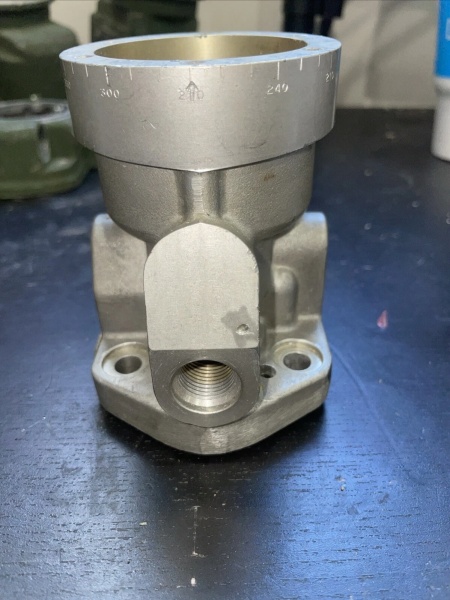
Woodward 210345
Commercial Availability & Pricing Note
Please note: The listed price is for reference only and is not binding. Final pricing and terms are subject to negotiation based on current market conditions and availability.