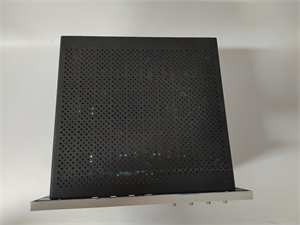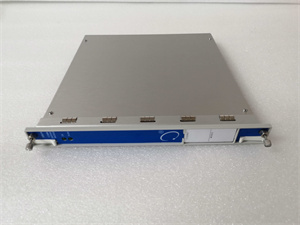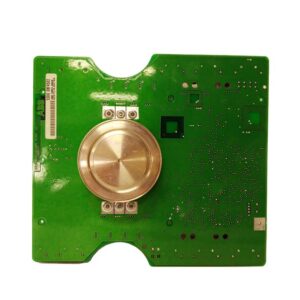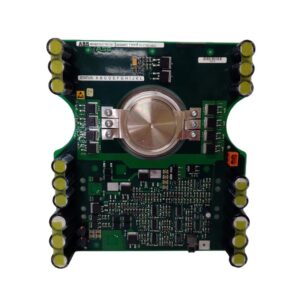
Description
Product Core Brief
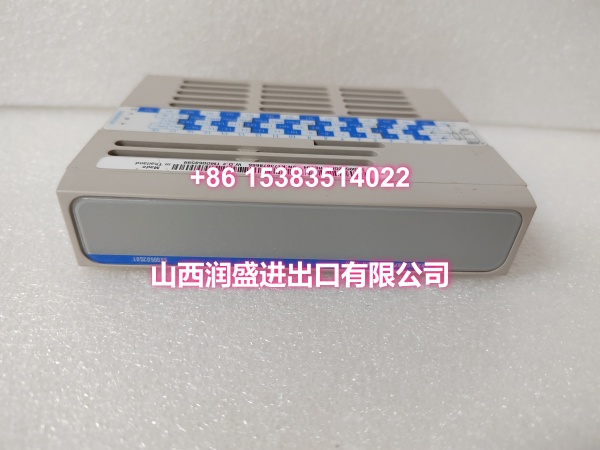
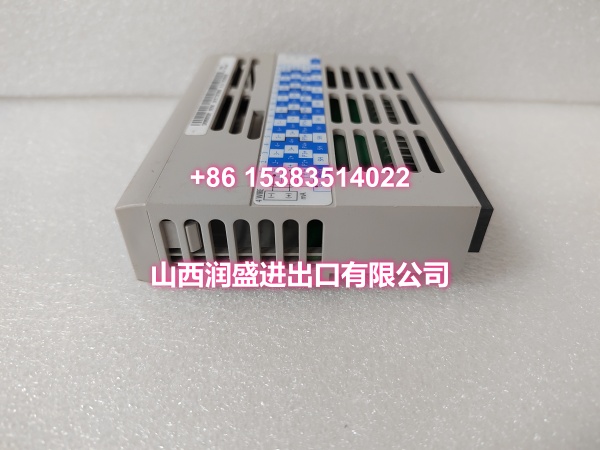
- Part: 5X00321G01
- Brand: Westinghouse / Emerson Ovation
- Product Type: Legacy Ovation spare, commonly listed in Westinghouse and Emerson Ovation spare catalogs
- Confirmed from listings: It appears on multiple Ovation spare parts lists alongside AI, AO, DI, DO, RTD, and serial link parts
- Not confirmed: A single reliable source naming its exact signal role, channel count, or paired personality module
- Condition: New Surplus / New Old Stock, varies by lot
Honest note before you order. I could not find an authoritative Ovation I/O manual entry that pins this part to one clear function. Most pages listing it are reseller spare lists, not Emerson documentation, so treat any seller claim about it being an AI card, DI card, or power part as unverified.
Product Introduction
Westinghouse 5X00321G01 shows up in Ovation spare catalogs that mix electronic modules, personality modules, terminals, and cabinet hardware. That alone tells you it belongs to an aging Ovation install where sourcing during an outage is painful.
For integrators, the real value of holding this kind of legacy spare is avoiding a forced outage while you wait on a rebuild or a migration. The real risk is buying the wrong half of an assembly, since Ovation often splits function between an electronic module and a personality module mounted on a base. Confirm the full set before you commit budget.
Key Technical Specifications
| Parameter | Value |
|---|---|
| Function | Unconfirmed, listed in Ovation spare catalogs |
| Host System | Ovation DCS, power, steel, water applications |
| Module Group | Electronic module, personality module, or cabinet part, verify by label |
| Mounting | Ovation I/O base or rack, depends on actual type |
| Field Interface | Terminal base or connector, depends on assembly |
| Status Indication | Module LEDs plus controller diagnostics where supported |
| Power Source | Backplane or external field supply, depends on type |
| Environment | Conditioned control room cabinet, low dust, non condensing |
| Documentation | Ovation I/O reference manual and Ovation Mobile Help lookup |
| Sourcing Risk | Legacy availability, date code and revision vary widely |
A practical tip. Emerson publishes an Ovation Mobile Help app that returns module descriptions, valid module combinations, wiring diagrams, and diagnostic LED info when you scan an Ovation electronic module part number, which is a faster way to confirm a match than trusting a reseller page.
Quality Control Process
Since the function is not fully pinned down, we start with identification, not assumptions.
- Documentation cross check. We compare the label against the Ovation I/O reference manual and module combination lists before calling it any specific card type.
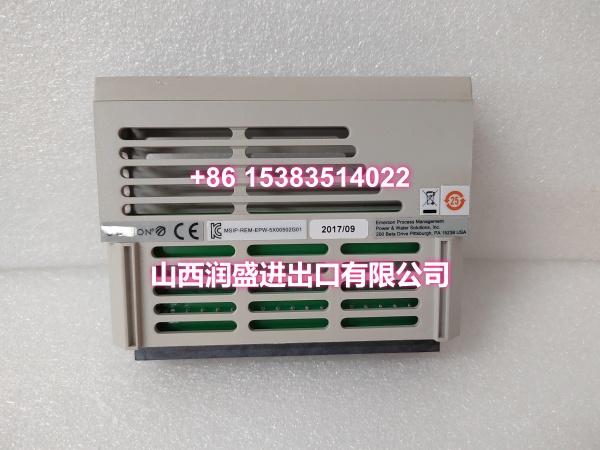
- Label and revision audit. Silk screen, date code, and revision must match, and refurbished stickers get rejected.
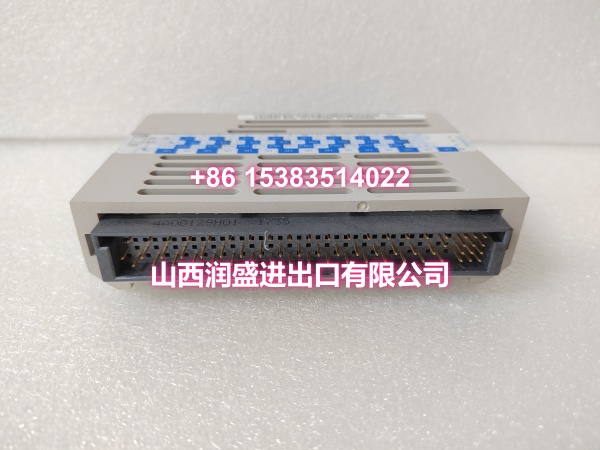
- Edge connector and pin inspection. Pushed or corroded pins create intermittent faults that mimic controller problems. Checked under magnification.
- Rail short check. A Fluke multimeter confirms no short across supply paths before anything is energized.
- Mate test with known good hardware. We install with a confirmed matching personality module and base, then verify the stack reports healthy instead of fault.
- Signal verification by type. If it proves to be an AI or AO part, we inject or measure with a process calibrator. If it is a DI or DO part, we pulse and drive channels and confirm state changes reach the controller.
- ESD and moisture packaging. Anti-static shielding bag, desiccant, humidity indicator, rigid box.
Replacement Pitfall Guide
❗ Buying based on a reseller list alone. Spare lists group unrelated parts together, so a part on a Westinghouse list does not confirm it is an analog or digital card.
❗ Replacing only one half of the pair. Ovation builds often rely on an electronic module plus a personality module, and a missing or wrong piece makes healthy hardware read stuck or garbage.
❗ Ignoring the I/O database. Swapping hardware without checking point configuration and scaling leaves tags wrong even when the card is fine.
❗ Assuming hot swap is safe. Some cabinets allow it under proper procedures, others do not. Check your rack and controller setup before pulling anything live.
❗ Skipping grounding and shielding review. Analog shields usually ground on the DCS side and float in the field unless the design says otherwise. Bad shielding creates drift that looks like sensor failure.
❗ Overlooking migration as the cheaper option. If the rack is obsolete and spares are scarce, a targeted I/O upgrade with remote I/O can cost less than years of hunting surplus cards.
Compatibility Matrix & Benchmarks
| Original Setup | Replacement Option | Compatibility Level | Migration Notes |
|---|---|---|---|
| 5X00321G01 | Same part, later date code | Needs Verification | Confirm label, revision, and function against Ovation documentation |
| Ovation EMOD assembly | Matching PMOD and base | Needs Adaptation | EMOD, PMOD, and base must match as a set |
| Legacy Ovation I/O | Modern Ovation I/O | Needs Adaptation | Database, terminal layout, and power review required |
| Legacy Ovation I/O | Remote I/O with gateway | Needs Adaptation | Communication, grounding, and failure behavior review required |
| Aging Ovation rack | Partial I/O migration | Needs Adaptation | Plan phased cutover to protect running loops |
- Real downtime savings come from confirming the full module set, not from matching a single part number on a spare list.
- Diagnostic usefulness depends on controller configuration and clock sync, not on the card alone.