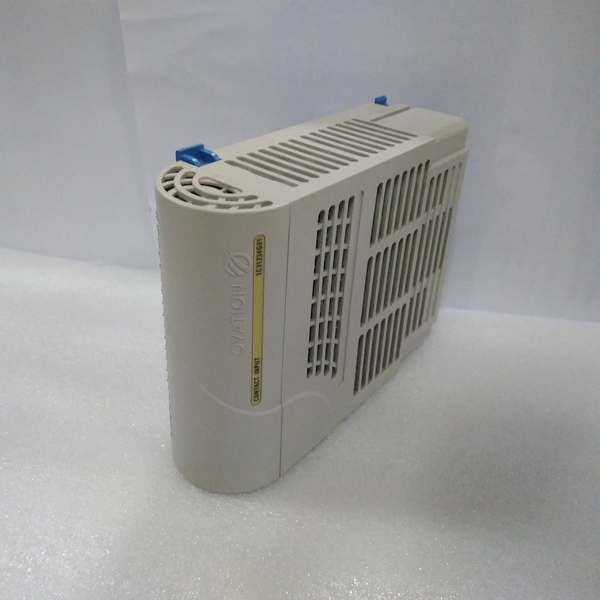
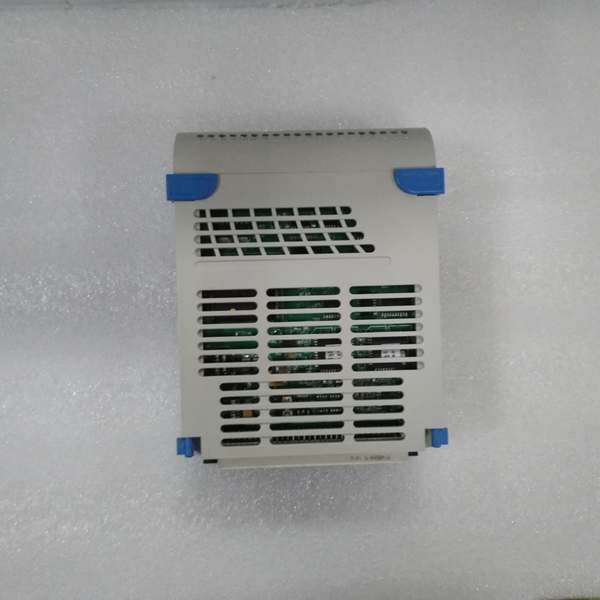
Description
Key Technical Specifications
-
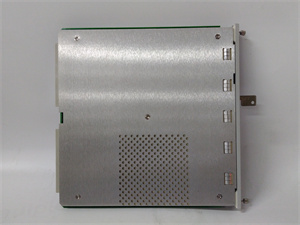
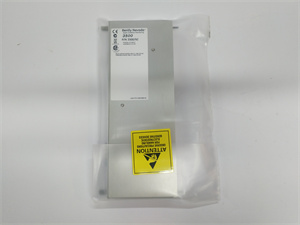
Model Number: 5X00119G01
-
Manufacturer: Emerson (formerly Westinghouse)
-
Channels: 8 isolated RTD inputs (Pt100, Pt200, Cu50, Ni120, 2-/3-/4-wire)
-
Resolution: 12-bit ADC (16-bit bus word)
-
Accuracy: ±0.1 % full scale (–20…+70 °C)
-
Sampling Rate: 16-20 samples/s per channel (50/60 Hz)
-
Input Impedance: >100 MΩ normal, 50 kΩ powered-down
-
Isolation: 2 kV channel-to-bus; 200 V channel-to-channel
-
Power Supply: 24 VDC (3.6 W typ., 4.2 W max)
-
Operating Temperature: –40…+70 °C module; 0…+60 °C calibrated
-
Mounting: DIN-rail or panel; IP65 enclosure
-
Communication: Ovation back-plane + Modbus-TCP/RTU bridge
-
Status: Factory discontinued – new & tested spares available

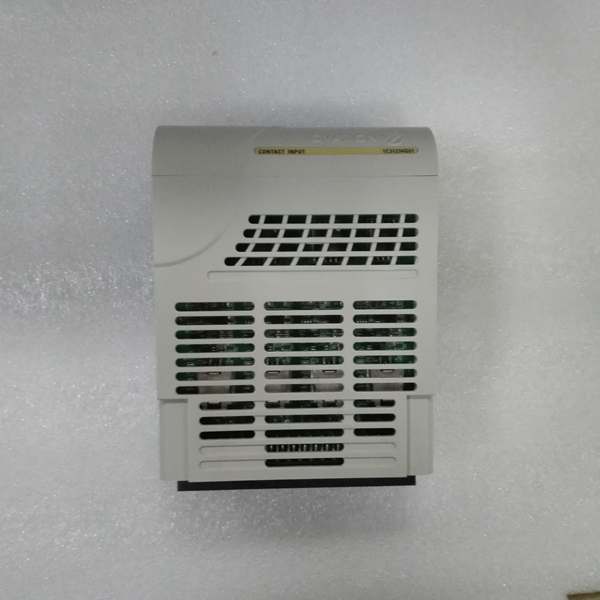
WESTINGHOUSE 1C31234G01
Field Application & Problem Solved
In the field the biggest headache is getting eight bearing or reactor temperature signals—each on a different Pt100—into the DCS without running individual 4-wire home-runs and without losing accuracy when the cabinet hits 60 °C. The 5X00119G01 solves that by living in a remote node: it excites each Pt100, performs 3-wire compensation, digitizes at 12-bit, and shoves the data onto the Ovation bus over a single Modbus-RTU pair. You’ll typically find one per remote pump house or reactor building on Frame-7/9 peakers—swap time is under two minutes with the unit on turning gear. Core value: it collapses eight isolated RTD front-ends, auto-zero, lead-resistance compensation, and surge protection into one 0.35 kg plug-in module you can bolt to the skid without pulling new cable.
In the field the biggest headache is getting eight bearing or reactor temperature signals—each on a different Pt100—into the DCS without running individual 4-wire home-runs and without losing accuracy when the cabinet hits 60 °C. The 5X00119G01 solves that by living in a remote node: it excites each Pt100, performs 3-wire compensation, digitizes at 12-bit, and shoves the data onto the Ovation bus over a single Modbus-RTU pair. You’ll typically find one per remote pump house or reactor building on Frame-7/9 peakers—swap time is under two minutes with the unit on turning gear. Core value: it collapses eight isolated RTD front-ends, auto-zero, lead-resistance compensation, and surge protection into one 0.35 kg plug-in module you can bolt to the skid without pulling new cable.
Installation & Maintenance Pitfalls (Expert Tips)
3-Wire Compensation Only Works If You Land the Sense Wire
The module automatically compensates for lead resistance on a 3-wire RTD. If you land only two wires the reading drifts 0.5 °C per ohm—on a 100 m run that’s 3 °C error. Tighten the sense terminal or you’ll chase phantom overtemperature trips.
The module automatically compensates for lead resistance on a 3-wire RTD. If you land only two wires the reading drifts 0.5 °C per ohm—on a 100 m run that’s 3 °C error. Tighten the sense terminal or you’ll chase phantom overtemperature trips.
24 V Polarity Reversed = Dead Module
The module is protected but will not start if +/– are swapped. Always meter before you land the power leads; reverse polarity blows the on-board fuse and the node never comes online.
The module is protected but will not start if +/– are swapped. Always meter before you land the power leads; reverse polarity blows the on-board fuse and the node never comes online.
Self-Calibration Must Be Triggered – Or Drift Accumulates
The module supports on-demand self-cal. If you never trigger it the zero drifts 0.05 % per year. Schedule a cal every major outage or you’ll discover the weakness when the reactor outlet temperature reads 2 °C low.
The module supports on-demand self-cal. If you never trigger it the zero drifts 0.05 % per year. Schedule a cal every major outage or you’ll discover the weakness when the reactor outlet temperature reads 2 °C low.
Spare Lead-Time Is 6-8 Weeks – Keep One on the Shelf
Factory stock is gone; new & tested spares are available but not overnight. If you crack a layer or burn the RS-485 transceiver you’ll be down until the part arrives—keep one in stores or you’ll discover the weakness during the next grid event.
Factory stock is gone; new & tested spares are available but not overnight. If you crack a layer or burn the RS-485 transceiver you’ll be down until the part arrives—keep one in stores or you’ll discover the weakness during the next grid event.
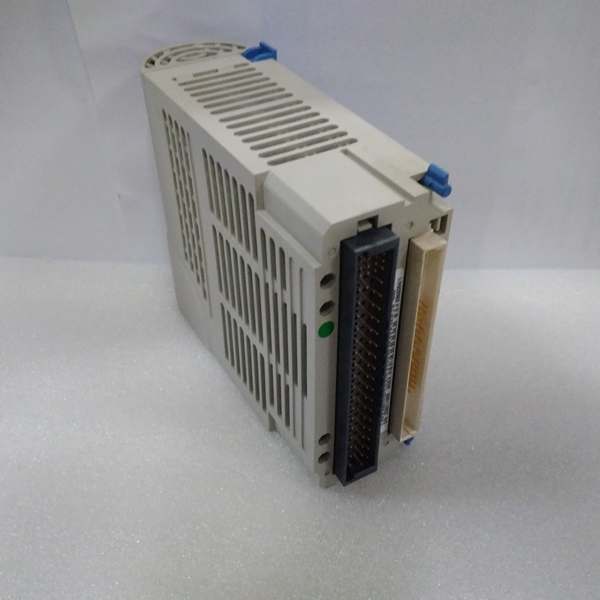
WESTINGHOUSE 1C31234G01
Technical Deep Dive & Overview
Internally the module is a 12-bit SAR ADC bolted to a 2 kV isolation barrier. Each channel uses a constant-current source to excite the RTD, measures the voltage drop, and compensates for lead resistance on 3- or 4-wire sensors. The DSP linearizes the Pt100 curve and pushes the result onto the Ovation back-plane. Lose the 24 V rail and the whole module goes dark; lose a single channel and the CPU throws “RTD FLT” for that channel only. No firmware to reload—pure hardware—so you can hot-swap it: unplug the old module, land the sensor leads exactly where they came from, snap the DIN-rail latch, and the DCS sees all eight temperatures again in under ten seconds.
Internally the module is a 12-bit SAR ADC bolted to a 2 kV isolation barrier. Each channel uses a constant-current source to excite the RTD, measures the voltage drop, and compensates for lead resistance on 3- or 4-wire sensors. The DSP linearizes the Pt100 curve and pushes the result onto the Ovation back-plane. Lose the 24 V rail and the whole module goes dark; lose a single channel and the CPU throws “RTD FLT” for that channel only. No firmware to reload—pure hardware—so you can hot-swap it: unplug the old module, land the sensor leads exactly where they came from, snap the DIN-rail latch, and the DCS sees all eight temperatures again in under ten seconds.