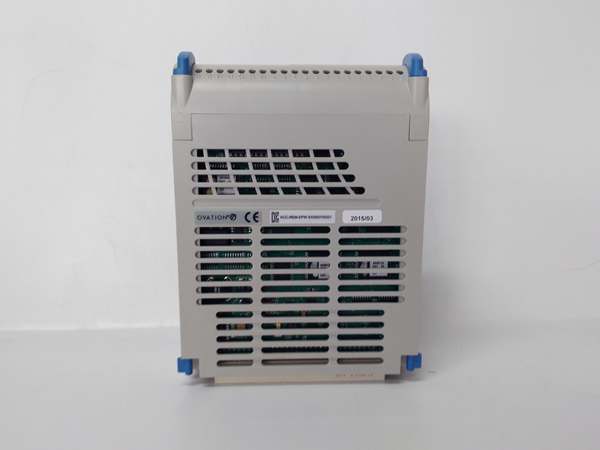
Description
Key Technical Specifications
-
Model Number: 5A26141G06
-
Manufacturer: Westinghouse (now Emerson)
-
Cable Type: Coaxial, 75 Ω characteristic impedance
-
Length: 4.5 ft (1.37 m)
-
Conductors: 24 AWG stranded copper
-
Shielding: Braid + foil, 100 % coverage
-
Connectors: DB9 male on each end
-
Jacket: PVC, oil-resistant, IP20 rated
-
Carrier Frequency: 50 kHz (Ovation local I/O bus)
-
Voltage Rating: 30 V signal level
-
Operating Temperature: –20 °C…+60 °C
-
Weight: 13.6 lb per 10-piece reel
-
Standards: UL AWM, CE, RoHS

5X00070G01
Field Application & Problem Solved
In Ovation turbine skids the biggest headache is getting the 50 kHz carrier from the main rack out to the remote I/O node without picking up noise or reflections. The 5A26141G06 solves that by giving you a factory-terminated, 75 Ω coax with DB9s that snap straight into the controller and the node. You’ll typically find one per remote pump house or cooling-tower skid on Frame-7/9 peakers—swap time is thirty seconds with the unit on turning gear. Core value: it collapses a precision coax, molded DB9s, and noise shielding into one 4.5 ft patch lead you can replace without pulling new cable.
In Ovation turbine skids the biggest headache is getting the 50 kHz carrier from the main rack out to the remote I/O node without picking up noise or reflections. The 5A26141G06 solves that by giving you a factory-terminated, 75 Ω coax with DB9s that snap straight into the controller and the node. You’ll typically find one per remote pump house or cooling-tower skid on Frame-7/9 peakers—swap time is thirty seconds with the unit on turning gear. Core value: it collapses a precision coax, molded DB9s, and noise shielding into one 4.5 ft patch lead you can replace without pulling new cable.
Installation & Maintenance Pitfalls (Expert Tips)
DB9 Screws Back Out with Vibration
The two thumb-screws are brass—after a year at 5 g they loosen and the carrier drops 6 dB. Snug them with a 5/64 hex key and add a drop of Loctite 222 or you’ll chase “comm-loss” that looks like a node failure.
The two thumb-screws are brass—after a year at 5 g they loosen and the carrier drops 6 dB. Snug them with a 5/64 hex key and add a drop of Loctite 222 or you’ll chase “comm-loss” that looks like a node failure.
Coax Shield Must Be Grounded at One End Only
If you land the shield at both ends you’ll circulate 50 kHz current and the BIT flag flickers. Ground the shield at the controller end only—float it at the remote node.
If you land the shield at both ends you’ll circulate 50 kHz current and the BIT flag flickers. Ground the shield at the controller end only—float it at the remote node.
Cable Length Matters – Don’t Roll Your Own
The Ovation bus is tuned for 4.5 ft. If you splice in a longer run the carrier reflects and you’ll see “node not responding.” Use the factory length or add the official extender kit—never cut and crimp.
The Ovation bus is tuned for 4.5 ft. If you splice in a longer run the carrier reflects and you’ll see “node not responding.” Use the factory length or add the official extender kit—never cut and crimp.
Spare Lead-Time Is 6-8 Weeks – Keep a Few on the Shelf
Factory stock is gone; new & tested spares are available but not overnight. If a forklift crushes the DB9 or the shield frays you’ll be down until the part arrives—keep a handful in stores or you’ll discover the weakness during the next forced outage.
Factory stock is gone; new & tested spares are available but not overnight. If a forklift crushes the DB9 or the shield frays you’ll be down until the part arrives—keep a handful in stores or you’ll discover the weakness during the next forced outage.
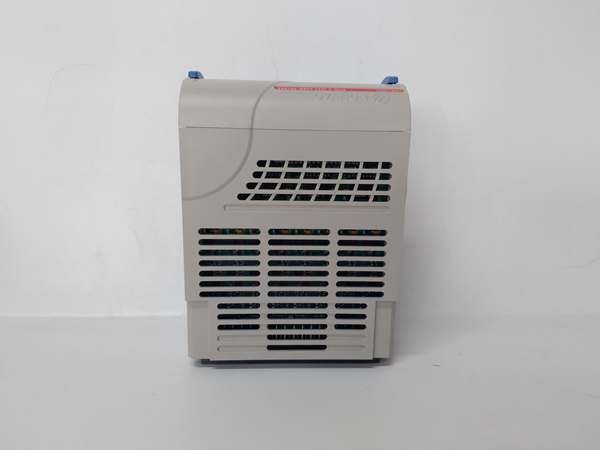
5X00070G01
Technical Deep Dive & Overview
Internally the cable is a 75 Ω RG-174 type with a braided-plus-foil shield and molded DB9 shells. The center conductor carries the 50 kHz carrier while the shield acts as the return; the DB9 pin-out is factory-defined so you can’t mis-wire it. Lose the shield and the bus SNR drops 10 dB; lose the center conductor and the whole remote node drops off the scan. Swap takes thirty seconds: unplug the old cable, snap in the new one until the screws seat, and the node reappears—no software reload required.
Internally the cable is a 75 Ω RG-174 type with a braided-plus-foil shield and molded DB9 shells. The center conductor carries the 50 kHz carrier while the shield acts as the return; the DB9 pin-out is factory-defined so you can’t mis-wire it. Lose the shield and the bus SNR drops 10 dB; lose the center conductor and the whole remote node drops off the scan. Swap takes thirty seconds: unplug the old cable, snap in the new one until the screws seat, and the node reappears—no software reload required.