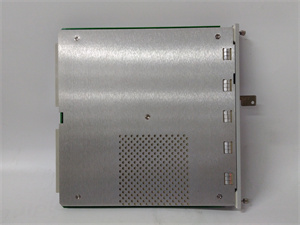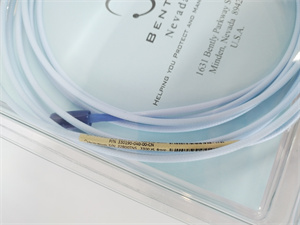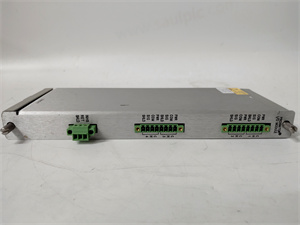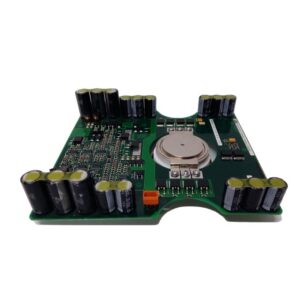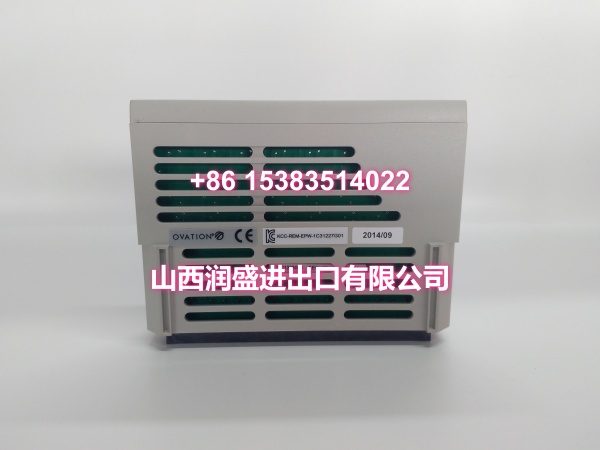
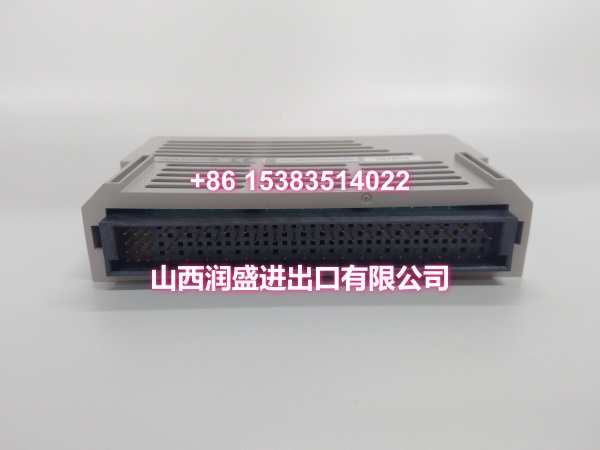
Description
Product Core Brief
- Model: 4D33942G01
- Brand: Westinghouse, later grouped under Emerson Ovation spare lists
- Series: Legacy Westinghouse DCS component family, commonly listed with Ovation and WDPF spares
- Core Function: Cabinet mounted module inside an older Westinghouse control system, with confirmed function depending on your panel documentation
- Product Type: Legacy DCS electronic module
- Key Specs: No reliable public factory datasheet located | appears on Ovation and WDPF spare lists | some sellers list it generically as a PLC or DCS module
- Condition: New Surplus / New Old Stock, varies by lot
Straight talk first. Public data on this part is thin and inconsistent. Some listings only place it inside a long Westinghouse spare list without any spec, and one older listing shows a low four hundred plus RMB price with no documentation available for download. Another seller simply calls it a PLC or DCS module with a one year warranty claim. Do not assume it is a power supply or a specific I/O card until you match your own BOM and drawing.
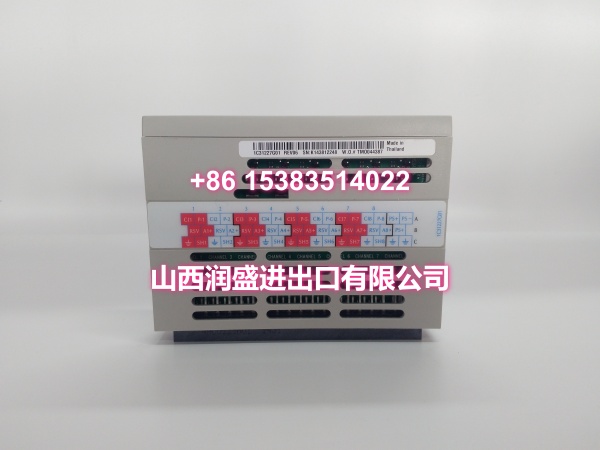
Product Introduction
Westinghouse 4D33942G01 is a legacy control system module usually sourced to keep aging Westinghouse cabinets running. It shows up on Ovation and WDPF spare lists rather than modern platform catalogs.
Why buyers still hunt for it. Obsolete cabinets fail one board at a time, and a missing module can idle a unit for weeks. Ovation itself is a distributed control system used heavily in power plants, steel mills, and water facilities, which is why old Westinghouse era spares keep circulating in the market. A verified board with a written test summary beats a cheap unverified listing, since relabeled and repaired stock is common here.
Key Technical Specifications
| Parameter | Value |
|---|---|
| Part Number | 4D33942G01 |
| Brand | Westinghouse |
| Typical Application | Legacy Westinghouse DCS cabinet, Ovation or WDPF era spares |
| Confirmed Function | Not published, verify against panel BOM and manual |
| Common Mislabeling | Generic PLC module, power supply card, generic I/O card |
| Documentation | No reliable public factory datasheet located |
| Price Signals | Older listings show low four hundred plus RMB with no downloadable manual |
| Related Grouped Parts | 3A99132G01, 3A99132G02, 1C31234G01, 1C31238H01, 5X00070G04 |
| Mounting | Panel or rack per original installation drawing |
| Environment | Conditioned control room cabinet, low dust, non condensing |
| Sourcing Risk | High, heavy listing noise and relabeled refurbished stock |
| Verification Path | Nameplate photo, panel drawing, backplane or base photo |
Ignore copied claims of Ethernet monitoring, Modbus, hot swap, or IP67 rating under this number. That text comes from unrelated hardware.
Quality Control Process
With no factory data, testing starts with identification, not power up.
- Document cross check. We compare your panel BOM, drawing, and installed label first. If the function cannot be confirmed, we say so instead of guessing.
- Label and silk screen audit. Sanded markings, overprinted stickers, reflowed solder, and replaced capacitors usually signal a repaired board.
- Rail short check. A Fluke multimeter confirms no short across input and logic rails before any power is applied.
- Variac ramp up. Power rises slowly while we watch current draw. Spikes point to a failed switching stage or dried capacitors.
- Function specific injection. For I/O boards we inject the real signal, contact closure, 4 to 20mA, or 0 to 10V, and confirm every channel. For supply boards we run a load bank and scope ripple on an oscilloscope.
- Insulation check. A Megger verifies input to chassis integrity on metal housed units.
- Thermal soak. Two hours under load with a thermal camera hunting hot spots on transformers and regulators.
- ESD and moisture packaging. Anti-static shielding bag, desiccant, humidity indicator, rigid double box, plus a written test summary.
Replacement Pitfall Guide
❗ Buying from a reseller title alone. The same number gets attached to PLC module, DCS module, and generic spare lists. Your drawing decides, not a listing.
❗ Trusting a low price as a deal. Cheap boards are often repaired or relabeled, and a bad card can drag down a whole rack.
❗ Assuming it drops into Ovation cleanly. Some Westinghouse spares belong to WDPF or older cabinets, and swapping between platforms can damage backplanes or controllers.
❗ Skipping ripple and capacitor checks on supply type boards. Old electrolytics pass an idle test, then collapse under real load and corrupt analog readings.
❗ Running an intermittent module to buy time. A dragging board can trip a unit unexpectedly, costing far more than a proper spare and a planned outage window.
Keep these in mind and you’ll cut 90% of rework time.
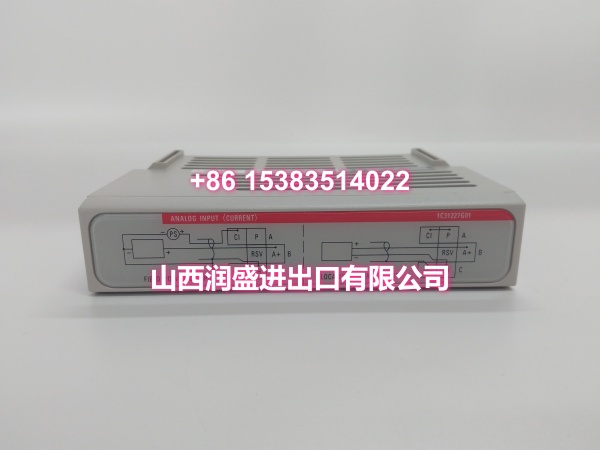
Compatibility Matrix & Benchmarks
| Original Model | Replacement / Successor Model | Compatibility Level | Migration Notes |
|---|---|---|---|
| 4D33942G01 | Same part, same suffix | Direct | Confirm label, revision, panel drawing |
| 4D33942G01 | 4D33942 series other suffix | Needs Verification | Suffix change may alter voltage or layout |
| 4D33942G01 as cabinet power | 1X00024H01 MAGNETEK WH1-2FF | Needs Adaptation | 24V output only, recheck total draw and fusing |
| 4D33942G01 as DI feed path | 1C31234G01 with 1C31238H01 | Needs Adaptation | Only if original was contact input, match P-Mod |
| 4D33942G01 as AI path | 1C31113 series EMOD with matching PMOD | Needs Adaptation | Match signal range such as mV, 1VDC, or 0 to 20mA |
| Aging Westinghouse cabinet with scarce spares | Retrofit control panel or DCS migration | Needs Adaptation | Recheck I/O mapping, grounding, protection logic |
| Safety critical trip function | Certified safety system with hardwired trip | Needs Adaptation | Never rely on comms only for protection |
- Verify real load current and ripple under cabinet conditions, since idle tests hide dried capacitors and hidden sag.
- Confirm signal type and isolation before any swap, because miswired legacy modules usually damage the card feeding them.
Send a photo of the installed label, the base or rack, and the cabinet drawing page, and I can help confirm whether this is a true drop-in or whether a retrofit panel makes more sense than chasing obsolete spares.