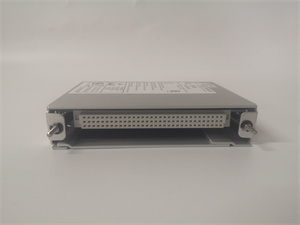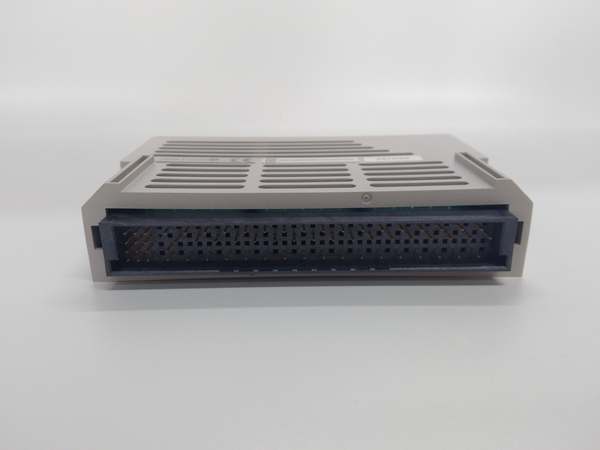
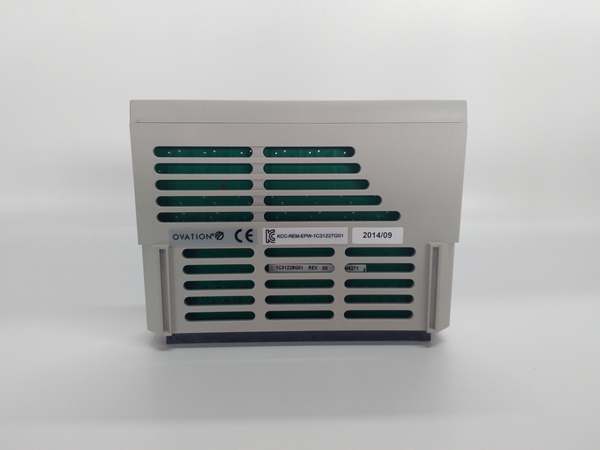
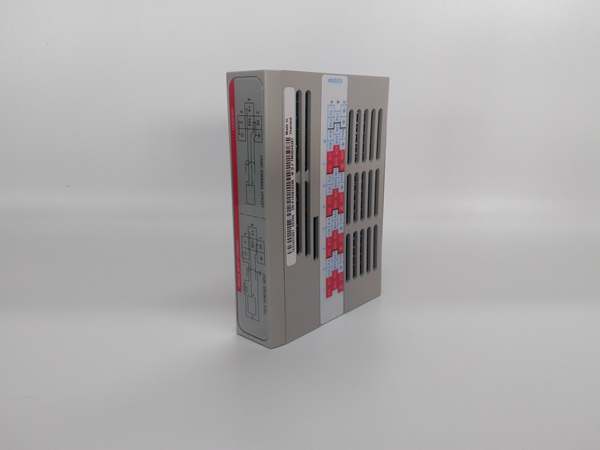
Description
Key Technical Specifications
-
Model Number: 4D33924G01
-
Manufacturer: Westinghouse (now Emerson)
-
Function: TND transition assembly – power entry and signal transition for remote I/O nodes
-
Input Voltage: 220 VAC 50/60 Hz (single-phase)
-
Fuses: 5 A fast-acting (auxiliary branch F1/F2), 15 A main (F1/F2)
-
Carrier Frequency: 50 kHz (internal power conversion)
-
Connectors: Stab-on AC input, 15-pin D-sub for remote I/O, 5 A micro-fuses for branch circuits
-
Isolation: 2 kV basic input-to-logic (per WDPF spec)
-
Dimensions / Weight: 121 × 51 × 166 mm, 0.35 kg
-
Operating Temperature: –40 °C…+70 °C (rack ambient)
-
Protection Degree: IP20 rack-mount
-
Status: Factory discontinued – new & tested spares available

WESTINGHOUSE 1C31227G01
Field Application & Problem Solved
In WDPF turbine installations the biggest headache is getting 220 VAC power and the 50 kHz carrier out to remote pump houses without running a separate panel. The 4D33924G01 solves that by living in the transition cabinet: it splits the incoming mains into branch circuits, fuses them, and passes the carrier onto the remote node. You’ll typically find one per remote skid on Frame-7/9 peakers—swap time is under two minutes with the unit on turning gear. Core value: it collapses AC distribution, branch fusing, and carrier coupling into one 0.35 kg plug-in assembly you can carry in your pocket.
In WDPF turbine installations the biggest headache is getting 220 VAC power and the 50 kHz carrier out to remote pump houses without running a separate panel. The 4D33924G01 solves that by living in the transition cabinet: it splits the incoming mains into branch circuits, fuses them, and passes the carrier onto the remote node. You’ll typically find one per remote skid on Frame-7/9 peakers—swap time is under two minutes with the unit on turning gear. Core value: it collapses AC distribution, branch fusing, and carrier coupling into one 0.35 kg plug-in assembly you can carry in your pocket.
Installation & Maintenance Pitfalls (Expert Tips)
Fuses Are Fast-Acting – Don’t Up-Rate Them
The 5 A micro-fuses protect the 24 VDC branch circuits. If you swap in 10 A fuses you’ll cook the PCB traces before the fuse blows. Use only 5 A 250 V fast-acting types or you’ll chase a burned trace that isn’t field-repairable.
The 5 A micro-fuses protect the 24 VDC branch circuits. If you swap in 10 A fuses you’ll cook the PCB traces before the fuse blows. Use only 5 A 250 V fast-acting types or you’ll chase a burned trace that isn’t field-repairable.
220 VAC Input Is Live at the Stabs – Short the Bus First
The stab-on terminals sit at mains potential. If you pull the assembly before the feeder breaker is open you’ll arc-weld the 15 A main fuses. Lock-out, verify zero energy, then torque the stab lugs to 0.8 Nm or vibration will walk them out.
The stab-on terminals sit at mains potential. If you pull the assembly before the feeder breaker is open you’ll arc-weld the 15 A main fuses. Lock-out, verify zero energy, then torque the stab lugs to 0.8 Nm or vibration will walk them out.
50 kHz Carrier Leaks – Keep the Shield Terminated
The carrier is passed through the 15-pin D-sub. If you leave the shield floating the 50 kHz couples into the 24 V logic and you’ll chase “comm-loss” that looks like a node failure. Land the shield drain at the transition panel only.
The carrier is passed through the 15-pin D-sub. If you leave the shield floating the 50 kHz couples into the 24 V logic and you’ll chase “comm-loss” that looks like a node failure. Land the shield drain at the transition panel only.
Spare Lead-Time Is 6-8 Weeks – Keep One on the Shelf
Factory stock is gone; new & tested spares are available but not overnight. If you crack a layer or blow the main fuses you’ll be down until the part arrives—keep one in stores or you’ll discover the weakness during the next forced outage.
Factory stock is gone; new & tested spares are available but not overnight. If you crack a layer or blow the main fuses you’ll be down until the part arrives—keep one in stores or you’ll discover the weakness during the next forced outage.
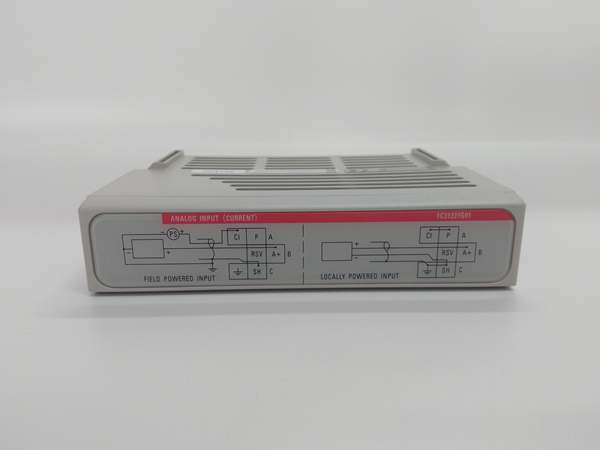
WESTINGHOUSE 1C31227G01
Technical Deep Dive & Overview
Internally the assembly is a passive power-distribution board bolted to a 2 kV isolation barrier. The 220 VAC input is split into two 15 A mains and four 5 A branch circuits; the 50 kHz carrier is transformer-coupled to the remote node. No firmware—pure hardware—so you can swap it without reloading parameters; just remember to torque the stab-ons or the mains will arc on the first vibration cycle.
Internally the assembly is a passive power-distribution board bolted to a 2 kV isolation barrier. The 220 VAC input is split into two 15 A mains and four 5 A branch circuits; the 50 kHz carrier is transformer-coupled to the remote node. No firmware—pure hardware—so you can swap it without reloading parameters; just remember to torque the stab-ons or the mains will arc on the first vibration cycle.