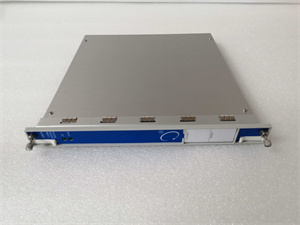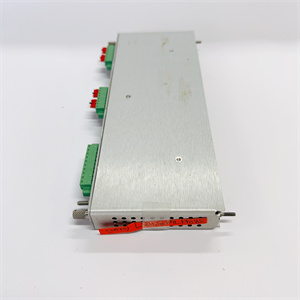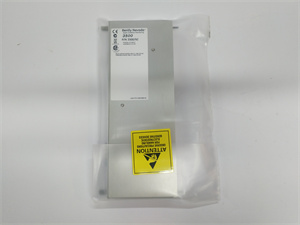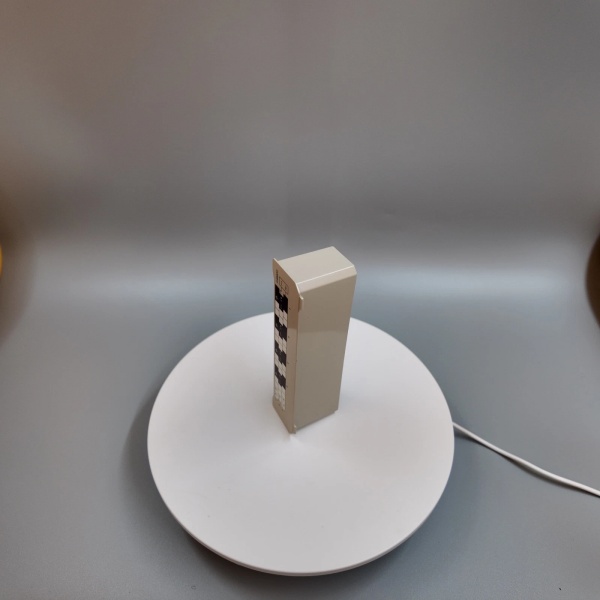
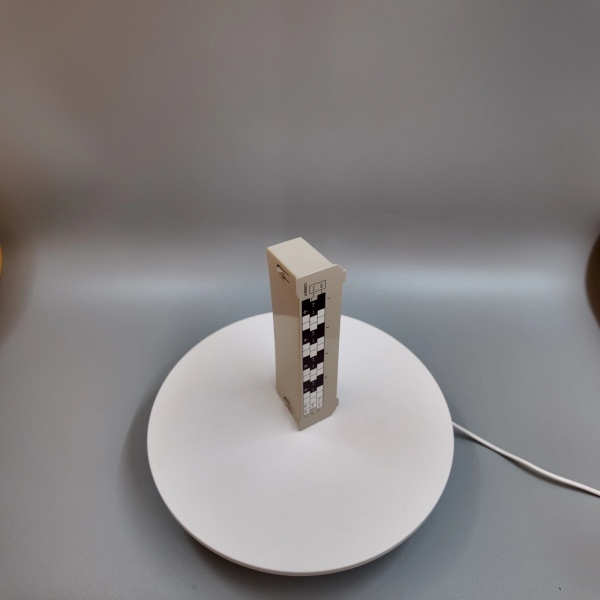
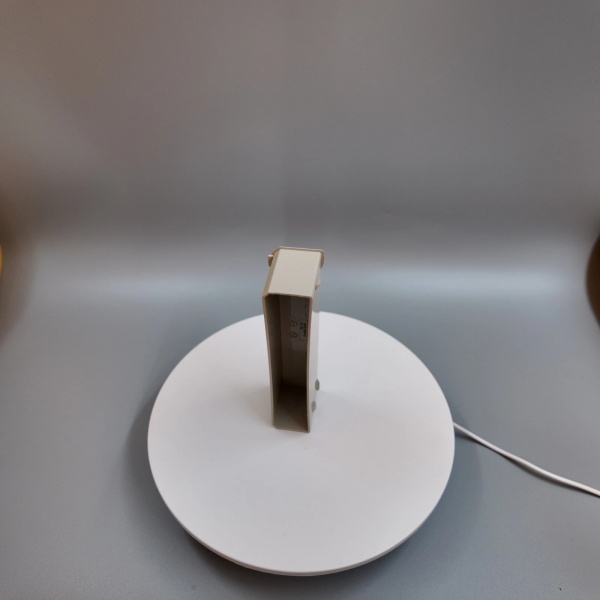
Description
Key Technical Specifications
-
Model Number: 1X00188H01
-
Manufacturer: Emerson (formerly Westinghouse)
-
Function: 8-channel HART analog output module – P-Mod cavity insert for Ovation DCS
-
Channels: 8 isolated analog outputs
-
Output Range: 4-20 mA (default) or ±10 V (jumper-selectable)
-
Resolution / Accuracy: 16-bit DAC, ±0.05 % full scale typical
-
HART Protocol: Version 6.0 & 7.0, 2-wire loop-powered, bidirectional
-
Isolation: 2 kV channel-to-bus; fully isolated outputs
-
Power Supply: +24 VDC from Ovation base unit; <5 W consumption
-
Operating Temperature: –40…+70 °C
-
Protection Degree: IP67 module rating; conformal-coated PCB
-
Dimensions / Weight: 121 × 25 × 70 mm, 0.3 kg
-
Mounting: Plug-in “P-Mod” cavity insert – hot-swap supported
-
Status: Factory discontinued – new & tested spares available

WESTINGHOUSE 1X00188H01
Field Application & Problem Solved
In the field the biggest headache is getting eight rock-steady 4-20 mA signals out to control valves and I/P converters without losing accuracy when the cabinet hits 70 °C. The 1X00188H01 solves that by living in the Ovation P-Mod cavity: it sources the loop, HART-communicates with the valve positioner, and pushes the data onto the 30 kHz carrier. You’ll typically find one per valve rack on Frame-7/9 peakers—swap time is under two minutes with the unit on turning gear. Core value: it collapses eight isolated 4-20 mA sources, HART modems, surge clamps, and auto-zero logic into one 0.3 kg plug-in insert you can swap without pulling new cable.
In the field the biggest headache is getting eight rock-steady 4-20 mA signals out to control valves and I/P converters without losing accuracy when the cabinet hits 70 °C. The 1X00188H01 solves that by living in the Ovation P-Mod cavity: it sources the loop, HART-communicates with the valve positioner, and pushes the data onto the 30 kHz carrier. You’ll typically find one per valve rack on Frame-7/9 peakers—swap time is under two minutes with the unit on turning gear. Core value: it collapses eight isolated 4-20 mA sources, HART modems, surge clamps, and auto-zero logic into one 0.3 kg plug-in insert you can swap without pulling new cable.
Installation & Maintenance Pitfalls (Expert Tips)
Loop Power Comes from the Card – Don’t Double-Source
The module sources 24 V compliance. If your positioner also sources power you’ll fight the regulator and the output drifts. Break the loop at the junction box and verify only one power source is active.
The module sources 24 V compliance. If your positioner also sources power you’ll fight the regulator and the output drifts. Break the loop at the junction box and verify only one power source is active.
HART Must Be Terminated – Don’t Leave It Floating
The HART signal rides on the 4-20 mA loop. If you forget the 250 Ω shunt or leave the HART master off-line the valve won’t respond to digital commands—verify HART communication with a handheld before you close the cabinet.
The HART signal rides on the 4-20 mA loop. If you forget the 250 Ω shunt or leave the HART master off-line the valve won’t respond to digital commands—verify HART communication with a handheld before you close the cabinet.
P-Mod Cavity Must Be Fully Seated – Or the Carrier Dies
The insert slides into a tight P-Mod slot; if it’s cocked the 30 kHz carrier doesn’t couple and the main rack sees “module not responding.” Push until the latch clicks, then cycle power.
The insert slides into a tight P-Mod slot; if it’s cocked the 30 kHz carrier doesn’t couple and the main rack sees “module not responding.” Push until the latch clicks, then cycle power.
Spare Lead-Time Is 6-8 Weeks – Keep One on the Shelf
Factory stock is gone; new & tested spares are available but not overnight. If you crack a layer or burn the HART modem you’ll be down until the part arrives—keep one in stores or you’ll discover the weakness during the next grid event.
Factory stock is gone; new & tested spares are available but not overnight. If you crack a layer or burn the HART modem you’ll be down until the part arrives—keep one in stores or you’ll discover the weakness during the next grid event.
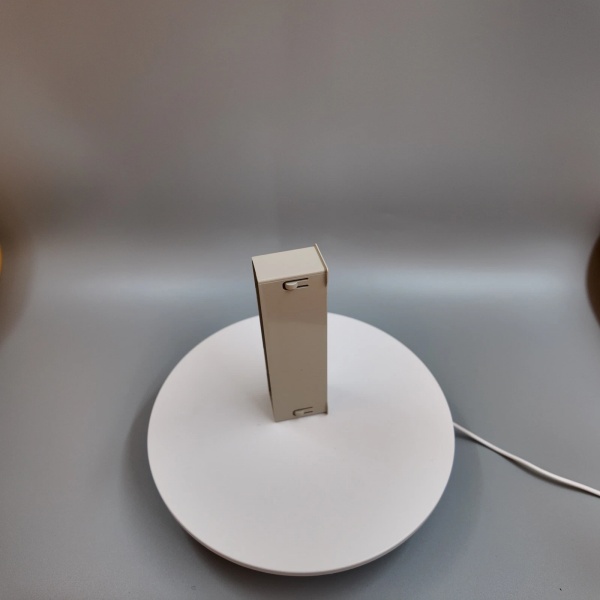
WESTINGHOUSE 1X00188H01
Technical Deep Dive & Overview
Internally the module is a 16-bit DAC bolted to a 2 kV isolation barrier. Each channel uses a constant-current source to drive the 4-20 mA loop; the HART modem superimposes 1.2 kHz FSK on the same pair. The DSP linearizes the output and pushes the data onto the 30 kHz carrier. Lose the 24 V rail and the module goes dark; lose a single channel and the CPU throws “AO FLT” for that point only. No firmware to reload—pure hardware—so you can hot-swap it: pull the old insert, land the field leads exactly where they came from, snap the P-Mod latch, and the DCS sees all eight loops again in under ten seconds.
Internally the module is a 16-bit DAC bolted to a 2 kV isolation barrier. Each channel uses a constant-current source to drive the 4-20 mA loop; the HART modem superimposes 1.2 kHz FSK on the same pair. The DSP linearizes the output and pushes the data onto the 30 kHz carrier. Lose the 24 V rail and the module goes dark; lose a single channel and the CPU throws “AO FLT” for that point only. No firmware to reload—pure hardware—so you can hot-swap it: pull the old insert, land the field leads exactly where they came from, snap the P-Mod latch, and the DCS sees all eight loops again in under ten seconds.