Description
Key Technical Specifications
-
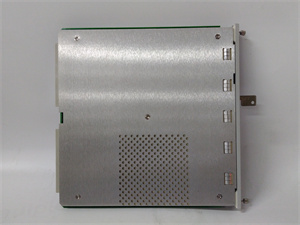
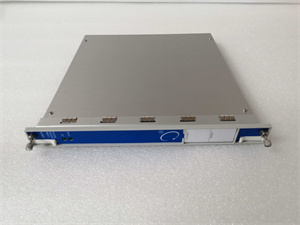
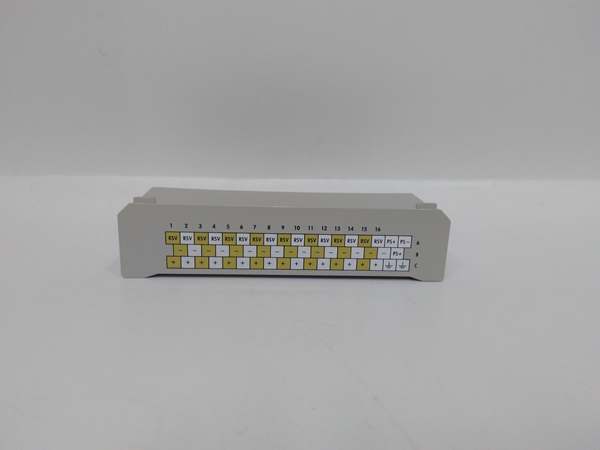
Model Number: 1C31238H01
-
Manufacturer: Emerson (formerly Westinghouse)
-
Function: 16-channel digital I/O personality base – provides 24 VDC digital inputs/outputs and 50 kHz carrier for Ovation back-plane
-
I/O Channels: 16 digital I/O (configurable as input or output)
-
Input Voltage: 24 VDC nominal (18-30 VDC range)
-
Input Current: 2 mA per channel typical
-
Input Impedance: 10 kΩ
-
Internal Carrier: 50 kHz ±0.1 % (used for back-plane communication)
-
Isolation: 2 kV channel-to-bus; transformer-coupled carrier
-
Power Supply: 220 VAC module power (±10 %)
-
Output Frequency: 50 kHz (carrier)
-
Communication: RS-232 / RS-485 on-board (jumper-selectable)
-
Operating Temperature: –25 °C…+85 °C
-
Protection Degree: IP20 module rating; conformal-coated PCB
-
Dimensions / Weight: 250 × 125 × 63 mm, 0.75 kg (with bracket)
-
Certifications: CE, UL, RoHS
-
Status: Factory discontinued – new & tested spares available

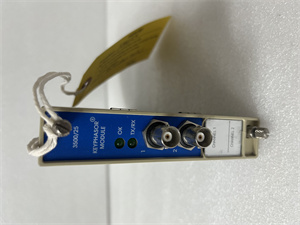
1C31238H01
Field Application & Problem Solved
In Ovation turbine skids the biggest headache is landing sixteen digital signals—trip relays, breaker auxiliaries, valve limit switches—without stuffing multiple cards in the rack and still keeping the 50 kHz carrier clean. The 1C31238H01 solves that by giving you sixteen 24 VDC I/O lines plus the carrier generator in one base: it detects a contact change in ≤1 ms, time-stamps it for SOE, and repeats the 50 kHz carrier to the Ovation back-plane. You’ll typically find one per protection panel on Frame-7/9 peakers—swap time is under two minutes with the unit on turning gear. Core value: it collapses sixteen isolated I/Os, surge clamps, and a 50 kHz carrier source into one 0.75 kg plug-in base you can hot-swap without losing the carrier.
In Ovation turbine skids the biggest headache is landing sixteen digital signals—trip relays, breaker auxiliaries, valve limit switches—without stuffing multiple cards in the rack and still keeping the 50 kHz carrier clean. The 1C31238H01 solves that by giving you sixteen 24 VDC I/O lines plus the carrier generator in one base: it detects a contact change in ≤1 ms, time-stamps it for SOE, and repeats the 50 kHz carrier to the Ovation back-plane. You’ll typically find one per protection panel on Frame-7/9 peakers—swap time is under two minutes with the unit on turning gear. Core value: it collapses sixteen isolated I/Os, surge clamps, and a 50 kHz carrier source into one 0.75 kg plug-in base you can hot-swap without losing the carrier.
Installation & Maintenance Pitfalls (Expert Tips)
Carrier Transformer Must Be Grounded – Or the 50 kHz Dies
The 50 kHz sine rides on the module transformer. If you forget the PE bond the SNR drops 10 dB and the main rack sees “module not responding.” Torque the PE lug to 1 Nm and megger it after every lightning season.
The 50 kHz sine rides on the module transformer. If you forget the PE bond the SNR drops 10 dB and the main rack sees “module not responding.” Torque the PE lug to 1 Nm and megger it after every lightning season.
24 V I/O Must Be Isolated – Don’t Double-Ground
The module sources 24 V for dry contacts. If you land a wet contact that is already grounded you’ll create a ground loop and the input LED flickers. Verify wetting supply isolation with a megger before you land the wires.
The module sources 24 V for dry contacts. If you land a wet contact that is already grounded you’ll create a ground loop and the input LED flickers. Verify wetting supply isolation with a megger before you land the wires.
Hot-Swap Only with Power Off – Contacts Are Live
The module is hot-swappable but the relay contacts carry field power. If you pull it while the contactor coil is energized you’ll arc the stab pins. Open the field breaker first or you’ll weld the back-plane connector.
The module is hot-swappable but the relay contacts carry field power. If you pull it while the contactor coil is energized you’ll arc the stab pins. Open the field breaker first or you’ll weld the back-plane connector.
Spare Lead-Time Is 6-8 Weeks – Keep One on the Shelf
Factory stock is gone; new & tested spares are available but not overnight. If you crack a layer or burn the carrier transformer you’ll be down until the part arrives—keep one in stores or you’ll discover the weakness during the next grid event.
Factory stock is gone; new & tested spares are available but not overnight. If you crack a layer or burn the carrier transformer you’ll be down until the part arrives—keep one in stores or you’ll discover the weakness during the next grid event.
Technical Deep Dive & Overview
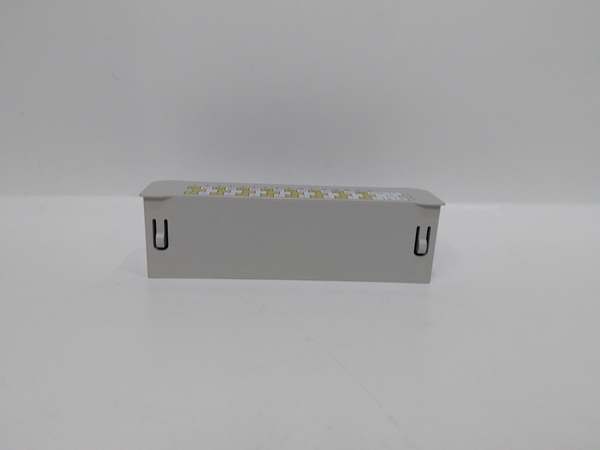
Internally the module is a 16-channel opto-isolator array bolted to a 2 kV isolation barrier. Each input drives an opto-coupler that latches the edge; each output drives a relay with MOV snubbers. The 50 kHz oscillator feeds the back-plane transformer so the module appears as a transparent extension of the Ovation rack. Lose the 220 VAC rail and the module stops scanning; lose a single I/O and the CPU throws “I/O FLT” for that channel only. No firmware to reload—pure hardware—so you can hot-swap it: pull the old module, land the field wires exactly where they came from, snap the 96-pin connector in, and the DCS sees all sixteen I/O again in under ten seconds.
Internally the module is a 16-channel opto-isolator array bolted to a 2 kV isolation barrier. Each input drives an opto-coupler that latches the edge; each output drives a relay with MOV snubbers. The 50 kHz oscillator feeds the back-plane transformer so the module appears as a transparent extension of the Ovation rack. Lose the 220 VAC rail and the module stops scanning; lose a single I/O and the CPU throws “I/O FLT” for that channel only. No firmware to reload—pure hardware—so you can hot-swap it: pull the old module, land the field wires exactly where they came from, snap the 96-pin connector in, and the DCS sees all sixteen I/O again in under ten seconds.