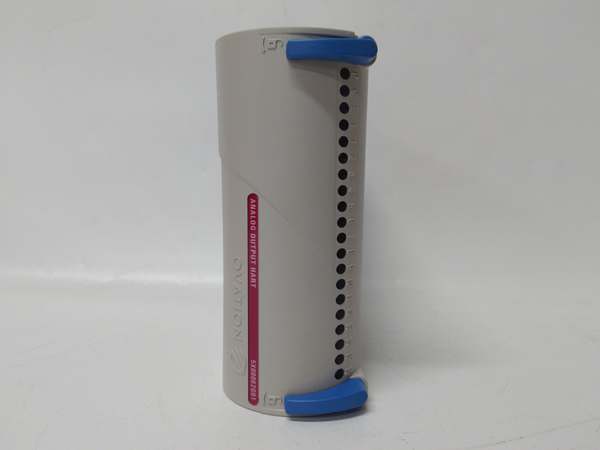
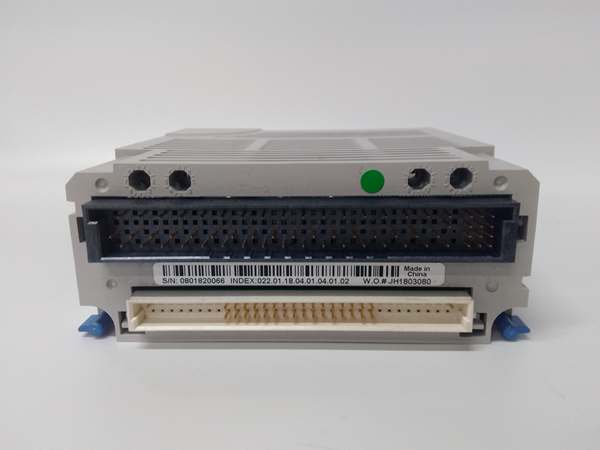
Description
Key Technical Specifications
-
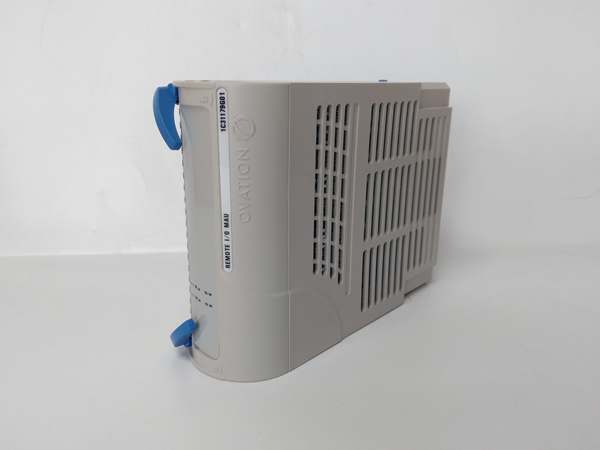
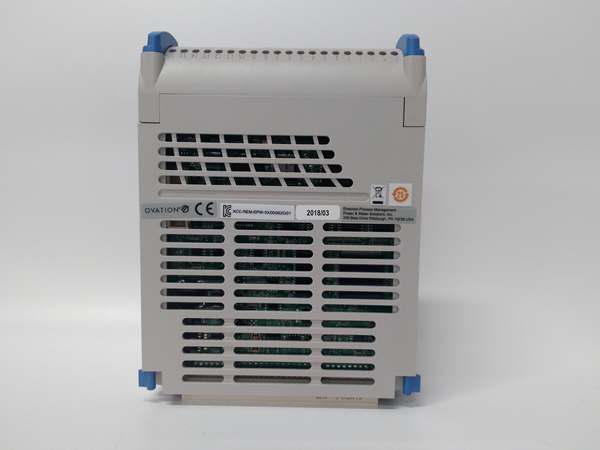
Model Number: 1C31205G01
-
Manufacturer: Westinghouse (now Emerson)
-
Function: Remote node controller base – mechanical & electrical back-plane for up to 2 personality modules
-
Local Bus Power: 24 VDC (±10 %) distributed to both personality slots
-
Personality Capacity: 2 modules max (any mix of AI, AO, DI, DO, speed, etc.)
-
Communication: Local Ovation bus (50 kHz carrier) carried through on-board transformer & stab connectors
-
Isolation: 2 kV basic between 24 V supply and personality signals (per Ovation spec)
-
Mounting: DIN-rail (35 mm) or 19-inch sub-rack; four corner stand-offs
-
Dimensions / Weight: 121 × 51 × 166 mm, 0.35 kg typical
-
Operating Temperature: –40 °C…+70 °C (rack ambient)
-
Protection Degree: IP20; conformal-coated PCB
-
Status: Factory discontinued – new & tested spares available

WESTINGHOUSE 5X00062G01
Field Application & Problem Solved
In the field the biggest headache is getting I/O out to remote skids—pump houses, cooling towers—without pulling hundreds of copper cables back to the main Ovation rack. The 1C31205G01 solves that by acting as a mini back-plane: snap in two personality modules (AI, AO, DI, DO, speed, etc.), feed it 24 VDC, and the on-board carrier transformer repeats the 50 kHz Ovation bus to the remote node. You’ll typically find one per remote cabinet on Frame-7/9 peakers—swap time is under two minutes with the unit on turning gear. Core value: it collapses a 24 VDC power-distribution block, a 50 kHz bus repeater, and a two-slot card cage into one 0.35 kg base you can bolt to the skid without rewiring the plant.
In the field the biggest headache is getting I/O out to remote skids—pump houses, cooling towers—without pulling hundreds of copper cables back to the main Ovation rack. The 1C31205G01 solves that by acting as a mini back-plane: snap in two personality modules (AI, AO, DI, DO, speed, etc.), feed it 24 VDC, and the on-board carrier transformer repeats the 50 kHz Ovation bus to the remote node. You’ll typically find one per remote cabinet on Frame-7/9 peakers—swap time is under two minutes with the unit on turning gear. Core value: it collapses a 24 VDC power-distribution block, a 50 kHz bus repeater, and a two-slot card cage into one 0.35 kg base you can bolt to the skid without rewiring the plant.
Installation & Maintenance Pitfalls (Expert Tips)
24 V Polarity Reversed = Dead Node
The base is protected but will not start if +/– are swapped. Always meter before you land the power leads; reverse polarity blows the on-board fuse and the whole remote I/O drops off-line.
The base is protected but will not start if +/– are swapped. Always meter before you land the power leads; reverse polarity blows the on-board fuse and the whole remote I/O drops off-line.
Personality Modules Must Seat Fully – Or the Bus Dies
The 96-pin connector is stiff; if a module is cocked the 50 kHz carrier doesn’t couple and the host sees “remote node not responding.” Push each module until the latch clicks, then cycle power.
The 96-pin connector is stiff; if a module is cocked the 50 kHz carrier doesn’t couple and the host sees “remote node not responding.” Push each module until the latch clicks, then cycle power.
Local Bus Shield Must Be Grounded at One End Only
The 50 kHz carrier rides on the shield. Ground both ends and you’ll circulate current, dropping the SNR by 10 dB. Land the shield drain at the main rack only—float it at the remote base.
The 50 kHz carrier rides on the shield. Ground both ends and you’ll circulate current, dropping the SNR by 10 dB. Land the shield drain at the main rack only—float it at the remote base.
Spare Lead-Time Is 6-8 Weeks – Keep One on the Shelf
Factory stock is gone; new & tested spares are available but not overnight. If you crack a layer or burn the carrier transformer you’ll be down until the part arrives—keep one in stores or you’ll discover the weakness during the next forced outage.
Factory stock is gone; new & tested spares are available but not overnight. If you crack a layer or burn the carrier transformer you’ll be down until the part arrives—keep one in stores or you’ll discover the weakness during the next forced outage.
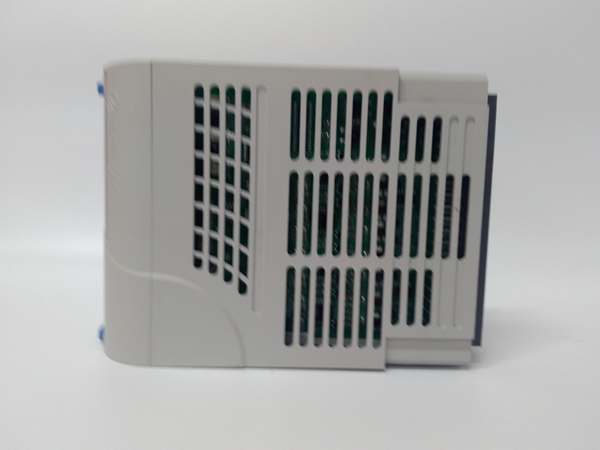
WESTINGHOUSE 5X00062G01
Technical Deep Dive & Overview
Internally the base is a passive back-plane bolted to a 2 kV isolation barrier. The 24 VDC input feeds both personality slots and the on-board carrier transformer; the 50 kHz signal is transformer-coupled to each module so the remote node appears as a transparent extension of the main rack. No firmware—pure hardware—so you can hot-swap it: pull the old base, land the 24 V and bus cables exactly where they came from, snap in the personalities, and the DCS sees the remote I/O again in under ten seconds.
Internally the base is a passive back-plane bolted to a 2 kV isolation barrier. The 24 VDC input feeds both personality slots and the on-board carrier transformer; the 50 kHz signal is transformer-coupled to each module so the remote node appears as a transparent extension of the main rack. No firmware—pure hardware—so you can hot-swap it: pull the old base, land the 24 V and bus cables exactly where they came from, snap in the personalities, and the DCS sees the remote I/O again in under ten seconds.