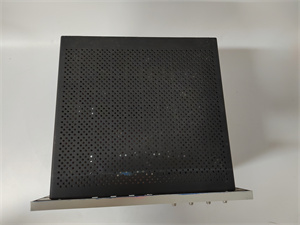
Description
Key Technical Specifications
-
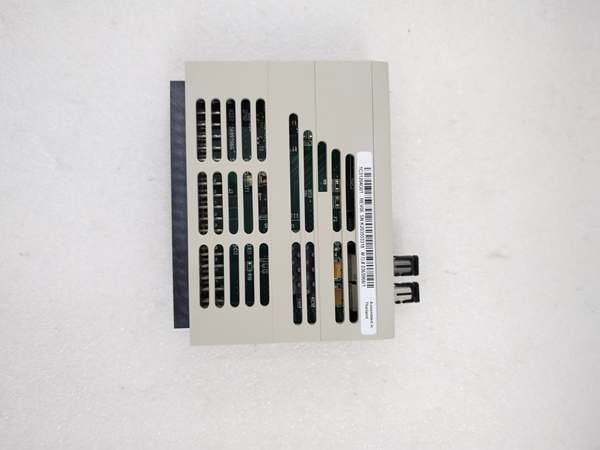
Model Number: 1C31204G01
-
Manufacturer: Westinghouse (now Emerson)
-
Function: Personality module for Ovation Remote I/O node – handles analog & digital I/O scanning
-
Power Supply: 24 VDC (±10 %)
-
I/O Types: Analog input/output (4-20 mA), digital input/output, and serial links (Modbus-RTU)
-
Communication: Modbus-RTU over RS-485; plugs into base 1C31205G01
-
Operating Temperature: –40 °C…+70 °C
-
Dimensions / Weight: ≈ 121 × 51 × 166 mm, 1 lb (0.45 kg)
-
Protection: IP20 rack-mount; short-circuit, reverse-polarity protected I/O
-
Status: Factory discontinued – new & tested spares available

WESTINGHOUSE 1C31204G01
Field Application & Problem Solved
In the field the biggest headache is running hundreds of copper wires from remote skids back to the main Ovation rack. The 1C31204G01 solves that by living in a remote node cabinet: it scans local 4-20 mA loops, digital contacts, and pumps the data back to the host over a single Modbus-RTU pair. You’ll typically find one per remote pump house or cooling-tower skid on Frame-7/9 peakers—swap time is under two minutes with the unit on turning gear. Core value: it collapses a Modbus-RTU scanner, 24 VDC power supply, and multi-I/O personality into one 0.45 kg plug-in card you can carry in your pocket.
In the field the biggest headache is running hundreds of copper wires from remote skids back to the main Ovation rack. The 1C31204G01 solves that by living in a remote node cabinet: it scans local 4-20 mA loops, digital contacts, and pumps the data back to the host over a single Modbus-RTU pair. You’ll typically find one per remote pump house or cooling-tower skid on Frame-7/9 peakers—swap time is under two minutes with the unit on turning gear. Core value: it collapses a Modbus-RTU scanner, 24 VDC power supply, and multi-I/O personality into one 0.45 kg plug-in card you can carry in your pocket.
Installation & Maintenance Pitfalls (Expert Tips)
24 V Polarity Reversed = Dead Node
The module is protected but will not start if +/– are swapped. Always meter before you land the power leads; reverse polarity blows the on-board fuse and the node never comes online.
The module is protected but will not start if +/– are swapped. Always meter before you land the power leads; reverse polarity blows the on-board fuse and the node never comes online.
Modbus Address Must Match Host – Or You’ll Scan Air
The RTU address is set by dipswitches on the base. If you replace the base and forget the address the host polls nothing and you’ll chase “comm-loss” that isn’t there. Photo the old switch settings before you pull the card.
The RTU address is set by dipswitches on the base. If you replace the base and forget the address the host polls nothing and you’ll chase “comm-loss” that isn’t there. Photo the old switch settings before you pull the card.
No On-Board Diagnostics – Verify Wiring Externally
Unlike 1C31204G03 this personality has no loop diagnostics. Megger the field cables during every outage or you won’t know the wire is open until the valve doesn’t move.
Unlike 1C31204G03 this personality has no loop diagnostics. Megger the field cables during every outage or you won’t know the wire is open until the valve doesn’t move.
Spare Lead-Time Is 6-8 Weeks – Keep One on the Shelf
Factory stock is gone; new & tested spares are available but not overnight. If you crack a layer or burn the RS-485 transceiver you’ll be down until the part arrives—keep one in stores or you’ll discover the weakness during the next grid event.
Factory stock is gone; new & tested spares are available but not overnight. If you crack a layer or burn the RS-485 transceiver you’ll be down until the part arrives—keep one in stores or you’ll discover the weakness during the next grid event.
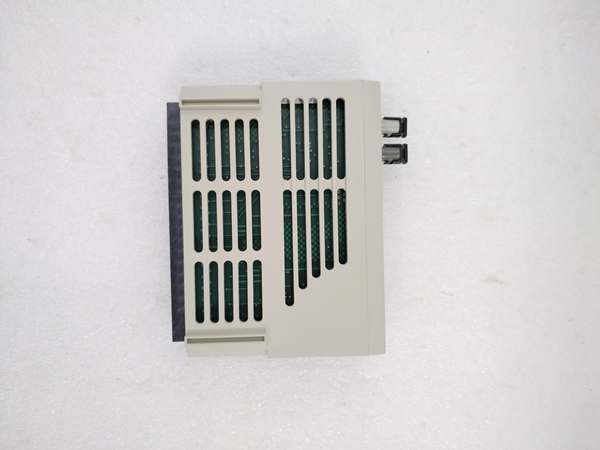
WESTINGHOUSE 1C31204G01
Technical Deep Dive & Overview
Internally the module is a passive personality card—no CPU, no firmware. It plugs into base 1C31205G01 and relies on the base’s microcontroller for scanning and Modbus-RTU framing. The 24 VDC rail powers the I/O buffers; lose it and the whole node goes dark. Swap takes two minutes: pull the old card, slide the new one in until the latch clicks, and the host sees the remote I/O again—no software reload required.
Internally the module is a passive personality card—no CPU, no firmware. It plugs into base 1C31205G01 and relies on the base’s microcontroller for scanning and Modbus-RTU framing. The 24 VDC rail powers the I/O buffers; lose it and the whole node goes dark. Swap takes two minutes: pull the old card, slide the new one in until the latch clicks, and the host sees the remote I/O again—no software reload required.