Description
System Role and Integration
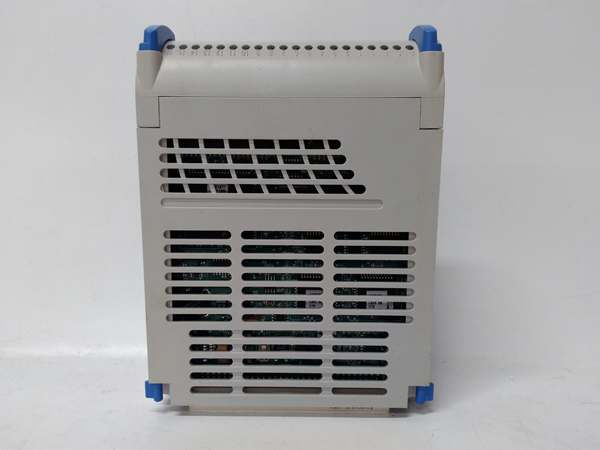
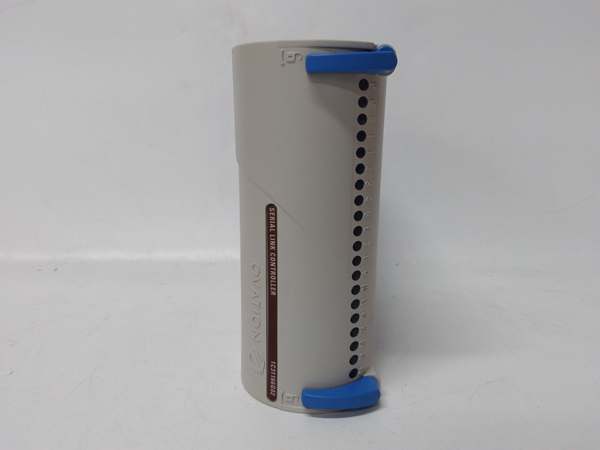
The 1C31166G02 serves as the serial communication gateway within the Ovation Distributed Control System architecture, functioning as the critical interface between the Ovation controller and third-party intelligent devices, remote terminal units (RTUs), and external subsystems. As a Serial Link Controller Electronics Module (EMOD), it mounts in standard Ovation I/O bases and provides the protocol conversion and data exchange capabilities necessary for integrating non-Ovation equipment into the control strategy.
This module occupies a vital position in hybrid control environments where the Ovation DCS must communicate with existing programmable logic controllers (PLCs), smart transmitters, motor protection relays, or SCADA systems. While the Ovation controller executes the primary control strategy, the 1C31166G02 manages the serial data exchange with external devices, translating between Ovation’s internal data formats and standard industrial serial protocols.
Core Functionality and Signal Handling
The module provides two independent serial communication ports: one RS-232 interface for point-to-point connections to local devices such as operator terminals, modems, or configuration laptops, and one RS-485 4-wire interface for multi-drop network connections to field devices over distances up to 1,200 meters. The RS-485 configuration utilizes separate twisted pairs for transmit and receive data (4-wire), enabling full-duplex communication and supporting higher data rates than 2-wire half-duplex alternatives.
The 1C31166G02 supports multiple industrial communication protocols including Modbus RTU (master and slave modes), DNP3 (Distributed Network Protocol 3 for utility applications), and PROFIBUS DP (Decentralized Periphery for high-speed device networks). Data transfer rates reach 115 kbps on the RS-232 port and up to 3.125 Mbps on the RS-485 port, accommodating both legacy slow-speed devices and modern high-speed instrumentation.
The module interfaces with the Ovation controller through the standard I/O bus, exchanging data tables with the control processor that are then accessible to control strategies and operator displays. Protocol handling, error checking, and network management are performed onboard, minimizing the computational burden on the main CPU while ensuring reliable data exchange.
Platform Heritage and Operational Benefits
As a core component of the Emerson Ovation platform originally developed by Westinghouse, the 1C31166G02 reflects the communication-centric design philosophy that enables Ovation systems to integrate seamlessly with existing plant infrastructure. The module’s compatibility with both EMOD (Electronics Module) and PMOD (Personality Module) architectures allows flexible configuration for specific application requirements, while R1120 CPU optimization ensures efficient data handling in high-performance control nodes.
The wide operating temperature range (-40°C to +70°C) accommodates installation in uncontrolled environments such as remote pump stations, outdoor electrical enclosures, and auxiliary equipment rooms without climate control. The IP20 protection rating provides adequate safeguarding for control cabinet installations while maintaining the ventilation necessary for reliable operation in continuous-duty industrial applications.

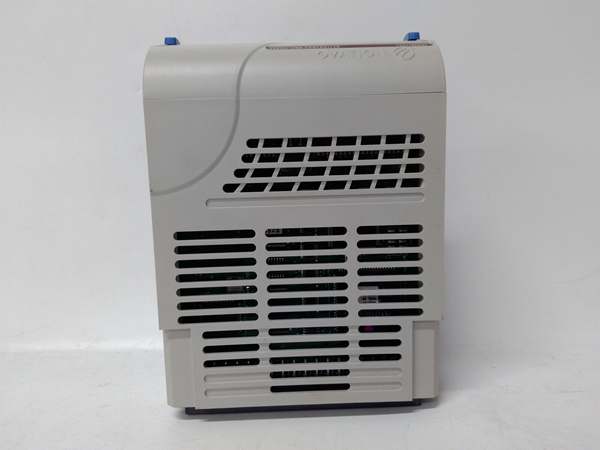
WESTINGHOUSE 5X00167G01
Part 4: Technical Specifications
-
Model Number: 1C31166G02
-
Manufacturer: Westinghouse Electric Corporation (Emerson Ovation product line)
-
Product Type: Serial Link Controller Electronics Module (EMOD)
-
Communication Ports: 2 independent serial ports
-
Port 1: RS-232 (DB9 or terminal block, point-to-point)
-
Port 2: RS-485 4-wire (differential, multi-drop)
-
-
Data Transfer Rates:
-
RS-232: Up to 115 kbps
-
RS-485: Up to 3.125 Mbps
-
-
Supported Protocols: Modbus RTU (Master/Slave), DNP3, PROFIBUS DP
-
Operating Temperature: -40°C to +70°C (-40°F to +158°F)
-
Storage Temperature: -55°C to +85°C (-67°F to +185°F)
-
Humidity: 0% to 95% RH (non-condensing)
-
Protection Class: IP20 (control cabinet installation)
-
Dimensions: 216 mm × 330 mm × 133 mm (8.5 in × 13.0 in × 5.2 in) – per industrial packaging; or 12.1 cm × 5.2 cm × 16.6 cm (4.8 in × 2.0 in × 6.5 in) – per module-only specifications
-
Weight: 0.32 kg to 6.8 kg (0.7 lbs to 15.0 lbs) depending on packaging and mounting configuration
-
Power Supply: 24VDC via Ovation backplane or external auxiliary
-
Compatible CPUs: R1120 CPU and compatible Ovation controllers
-
Module Architecture: EMOD + PMOD compatible
-
Indicators: LED status indicators for communication activity and module health
-
Termination: Screw terminals or DB9 connector (configuration dependent)
-
Isolation: Standard Ovation channel-to-system isolation
-
Status: Discontinued by manufacturer; available via secondary market and certified spares
Part 5: Core Features & Customer Value
Dual-Protocol Communication Flexibility: The combination of RS-232 for local configuration and RS-485 for long-distance field networks provides engineering flexibility in system design. For system integrators, this eliminates the need for external protocol converters or separate communication cards for different serial standards, reducing hardware costs and potential points of failure in critical data links.
High-Speed RS-485 Performance: The 3.125 Mbps maximum data rate on the RS-485 interface supports high-speed device networks and time-critical data exchange applications. In power generation and process control environments where hundreds of devices may reside on a single network, this bandwidth ensures rapid poll-response cycles and near-real-time data updates for operator displays and control algorithms.
Multi-Protocol Support: Native support for Modbus RTU, DNP3, and PROFIBUS DP eliminates the need for external protocol gateways when interfacing with diverse field equipment. Facilities can integrate motor protection relays (Modbus), utility RTUs (DNP3), and high-speed valve controllers (PROFIBUS) using a single module type, standardizing spare parts inventory and simplifying engineering documentation.
Extended Temperature Operation: The -40°C to +70°C operating range accommodates installation in outdoor enclosures, remote pumping stations, and unheated auxiliary buildings without requiring auxiliary heating or cooling systems. This ruggedness proves particularly valuable for oil and gas pipeline applications, water distribution systems, and power generation balance-of-plant controls where environmental conditions exceed standard commercial equipment ratings.
R1120 CPU Optimization: Designed specifically for compatibility with the R1120 CPU and Ovation’s modular architecture, the module ensures efficient data exchange with minimal processor overhead. The optimized firmware handles protocol timing, error recovery, and network management autonomously, allowing the main CPU to focus on control strategy execution while maintaining reliable communication with hundreds of external devices.
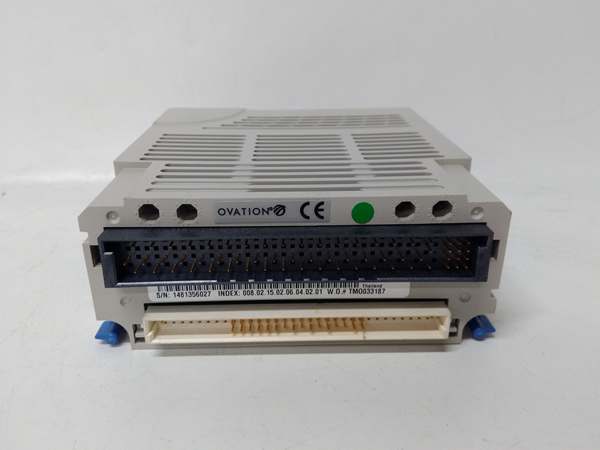
WESTINGHOUSE 5X00167G01
Part 6: Typical Applications
Power Generation SCADA Integration: The 1C31166G02 is extensively deployed in coal-fired, gas-fired, and hydroelectric power plants to interface with existing SCADA systems, relay protection panels, and turbine generator excitation systems. In these applications, the module communicates via DNP3 with utility control centers and via Modbus with generator protection relays, consolidating data from diverse sources into the Ovation control strategy for unit coordination and automatic generation control (AGC).
Water/Wastewater Remote Telemetry: Municipal water treatment and distribution facilities utilize the module to connect with remote terminal units (RTUs) at pump stations, reservoir sites, and well fields. The RS-485 multi-drop capability supports communication with multiple flow meters, pressure transmitters, and chlorine analyzers over distances exceeding 1,000 meters, eliminating the cost of individual point-to-point wiring while providing centralized monitoring and control from the main treatment plant.
Oil and Gas Pipeline Control: In petroleum pipeline and natural gas transmission applications, the module interfaces with custody transfer meters, compressor station controllers, and emergency shutdown systems. The Modbus RTU master capability allows the Ovation controller to poll smart transmitters along the pipeline for pressure, temperature, and flow data, while the high-speed RS-485 interface accommodates the rapid data exchange required for leak detection and batch tracking algorithms.
Building Automation and Facility Management: Commercial and industrial facilities employ the 1C31166G02 to integrate building management systems (BMS), HVAC controllers, and energy metering systems into the Ovation DCS. The module bridges the gap between the process control system and facility infrastructure, allowing coordinated control of process operations and building systems for optimized energy consumption and environmental management.
Legacy System Migration: During control system modernization projects, the module provides the communication bridge between new Ovation controllers and existing legacy PLCs or smart transmitters that must remain in service during phased upgrades. The multi-protocol support allows the Ovation system to communicate with older Modbus devices while preparing for future migration to native Ovation I/O, protecting capital investment in field instrumentation.