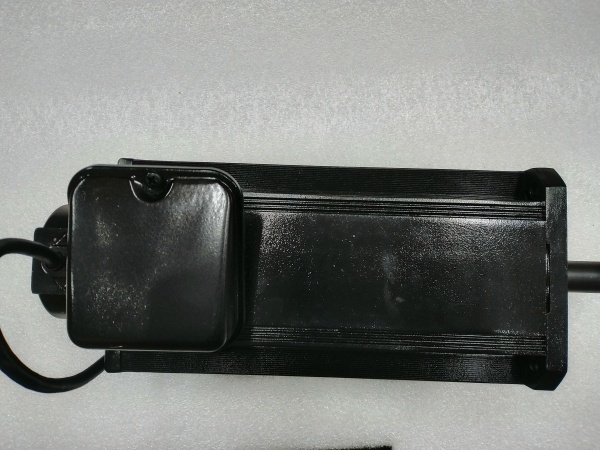
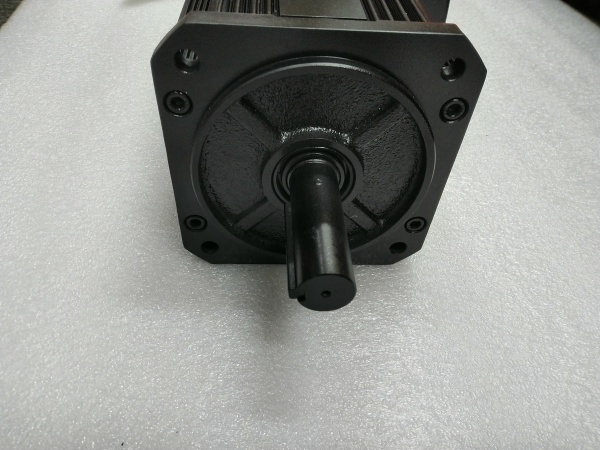
Description
Hard-Numbers: Technical Specifications
- Input Voltage: 9-36V DC
- Output Voltage: 12V DC (fixed)
- Output Current: 20A per channel (2 channels)
- Total Output Power: 480W (24V × 20A per channel)
- Efficiency: 90%
- Operating Temperature: -40°C to +85°C
- Protection: Over-current, over-voltage, short-circuit, over-temperature
- Dimensions: 57.6mm × 25.4mm × 12.7mm
- Weight: 30g
- Control Modes: Multiple (manufacturer-specified)
- Communication Interfaces: Multiple (manufacturer-specified)

BLM-2202U-LP120-7
The Real-World Problem It Solves
Industrial control cabinets often need clean, high-current 12V DC for multiple loads without oversizing the main power supply. This module splits a single wide-range input into two protected 20A outputs, letting you run separate circuits from one compact unit while keeping fault isolation between channels.
Where you’ll typically find it:
- PLC and DCS I/O rack power distribution
- Field instrument power in hazardous areas
- Communication equipment and radio transceivers
- Medical device power subsystems
Bottom line: It delivers 40A total across two isolated 12V channels in a package smaller than a deck of cards, with full protection against the faults that kill field electronics.
Hardware Architecture & Under-the-Hood Logic
The BLM-2202U-LP120-7 is a DC-DC converter module designed to step down a wide 9-36V input to a regulated 12V output across two independent channels. It likely uses switching topology (buck converter) with high-frequency PWM to maintain efficiency while handling substantial current loads.
- DC input (9-36V) enters the module through input terminals
- Input filtering stage removes noise and smooths incoming voltage
- Switching controller generates high-frequency PWM for power conversion
- Power MOSFETs switch current through inductors to step down voltage
- Output capacitors filter ripple and stabilize the 12V DC rail
- Current sense circuits monitor each channel for over-current conditions
- Protection logic shuts down affected channel on fault (short, over-voltage, over-temperature)
- Two independent output stages deliver isolated 12V to separate loads
BLM-2202U-LP120-7
Field Service Pitfalls: What Rookies Get Wrong
Undersizing Input WiringRunning 40A total output means the input side sees substantial current, especially at the 9V lower limit. Technicians often use wire gauges rated for nominal 24V operation, causing voltage drop and overheating at minimum input voltage.
Field Rule: Calculate input current at minimum input voltage (9V). For 480W total output at 90% efficiency, input current can exceed 53A. Use 6 AWG or larger for input conductors and torque terminals to spec.
Ignoring Thermal DeratingThe module is rated for 20A per channel, but that rating assumes adequate cooling. Newbies mount these in sealed cabinets without airflow, then wonder why the over-temperature protection trips under load.
Quick Fix: Verify cabinet airflow and ambient temperature. Derate output current by 20-30% for ambient temperatures above 40°C or when mounting in enclosed spaces without forced ventilation.
Mixing Load Types on Single ChannelConnecting capacitive loads (motors starting) and sensitive electronics on the same output channel causes voltage sag and resets the sensitive gear when the motor starts. Technicians treat both outputs as identical without considering load dynamics.
Field Rule: Separate high-inrush loads (motors, solenoids, large capacitor banks) from sensitive logic/control circuits. Use one channel for dynamic loads, the other for steady-state electronics.
Overlooking Input TransientsIndustrial 24V systems often see voltage spikes exceeding 36V during switching events or regenerative braking from adjacent drives. Without external protection, these transients can kill the input stage.
Quick Fix: Install a TVS diode or transient suppressor across the input terminals rated for at least 40V clamping voltage. Verify the protection device response time is faster than the module’s absolute maximum rating.
Please note: The listed price is for reference only and is not binding. Final pricing and terms are subject to negotiation based on current market conditions and availability.