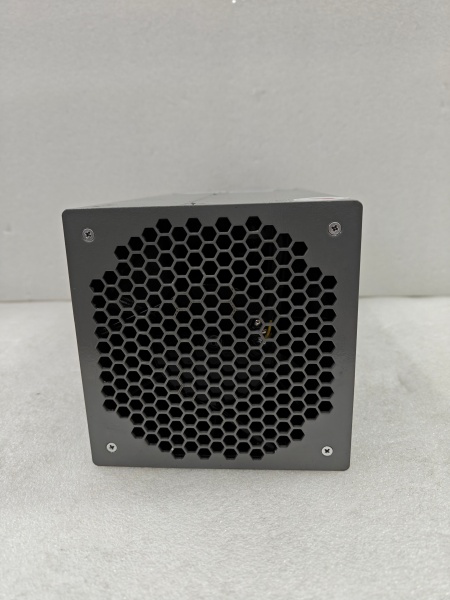
Description
Hard-Numbers: Technical Specifications
- Input Voltage Range: 100-240V AC, 50/60 Hz
- Output Voltage: 56V DC
- Output Current: 26.8A
- Output Power: 1500W (single-phase)
- Efficiency: Up to 90%
- Operating Temperature Range: -40°C to +85°C
- Storage Temperature Range: -55°C to +125°C
- Protection Rating: IP67 (dust-tight and water-resistant)
- Communication Interface: RS485 supported
- Connector Type: M12 connector
- Dimensions: 110mm x 60mm x 30mm
- Weight: 200g (approximately)

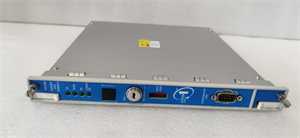
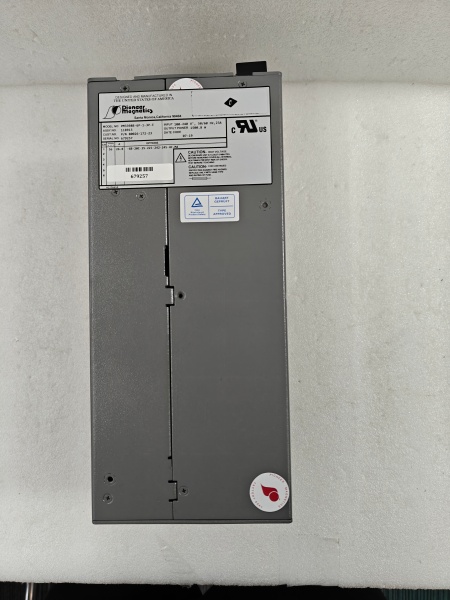
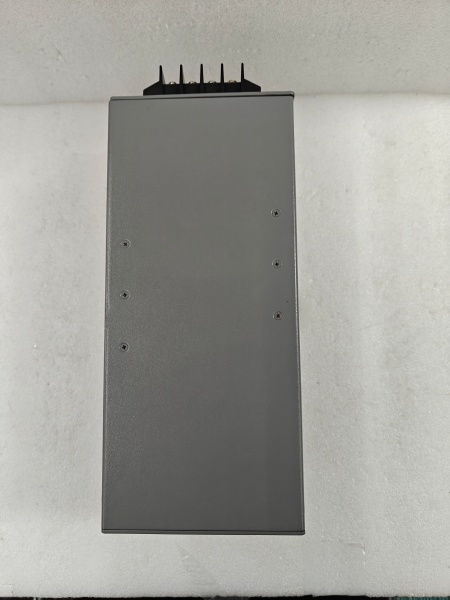
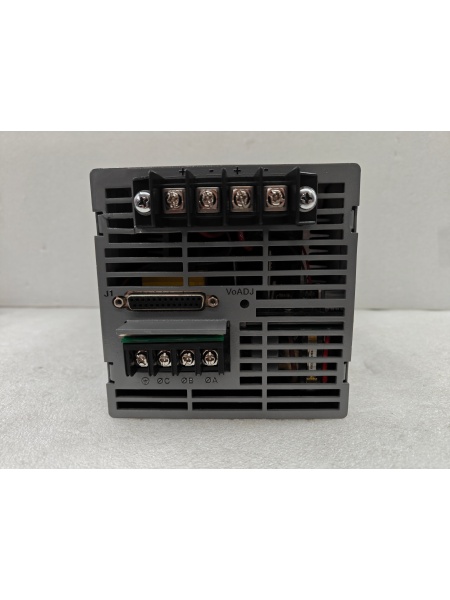
Pioneer Magnetics PM3398B-6P-1-3P-E
The Real-World Problem It Solves
This power module eliminates the voltage instability headaches of generic power supplies in harsh industrial environments. When you’re running critical DCS or PLC systems in wet, dusty, or temperature-extreme locations, you need a power supply that won’t flinch.
Where you’ll typically find it:
- DCS power distribution cabinets in chemical plants and refineries
- PLC control racks in outdoor or washdown environments
- Remote monitoring stations with limited space and harsh ambient conditions
The bottom line: You get 1500W of clean, regulated DC power in a compact package that can take a beating from moisture and dust without failing.
Hardware Architecture & Under-the-Hood Logic
The PM3398B-6P-1-3P-E operates as a switching power supply module using high-frequency conversion technology to transform wide-range AC input into a tightly regulated 56VDC output. The internal architecture includes input filtering, power factor correction, high-frequency switching stages, and output regulation circuitry, all housed in an IP67-rated enclosure for environmental protection.
- Input AC voltage passes through EMI filtering and is rectified to DC
- The switching converter operates at high frequency to step down the voltage through a transformer topology
- Output rectification and filtering produce clean 56VDC with tight regulation
- Control circuitry continuously monitors output voltage and current, adjusting switching duty cycle to maintain regulation under varying load conditions
Pioneer Magnetics PM3398B-6P-1-3P-E
Field Service Pitfalls: What Rookies Get Wrong
M12 connector over-tightening
The IP67 seal on the M12 connector only works when properly tightened, but cranking it down with pliers will crack the connector body or strip threads. The torque spec is critical for maintaining the seal without damaging the connector.
- Field Rule: Hand-tighten until resistance is felt, then give it a quarter-turn with a wrench max. If it leaks, check the O-ring—don’t just keep cranking on it.
Ignoring derating for ambient temperature
The 1500W rating assumes adequate cooling. In hot enclosures or near heat sources, the module will thermally protect and shut down if you run it at full rated output without accounting for ambient heat buildup.
- Quick Fix: Derate output by 2% for every 10°C above 40°C ambient, or ensure forced-air cooling in the cabinet. The thermal protection will save the module, but your process will still go down.
RS485 termination missing
The RS485 communication line needs proper termination at both ends of the bus. Leaving off the 120-ohm termination resistors causes intermittent communication failures that look like power issues but aren’t.
- Field Rule: Install 120-ohm termination resistors at both ends of the RS485 daisy-chain. If you’re only connecting one device, terminate at the master end only.