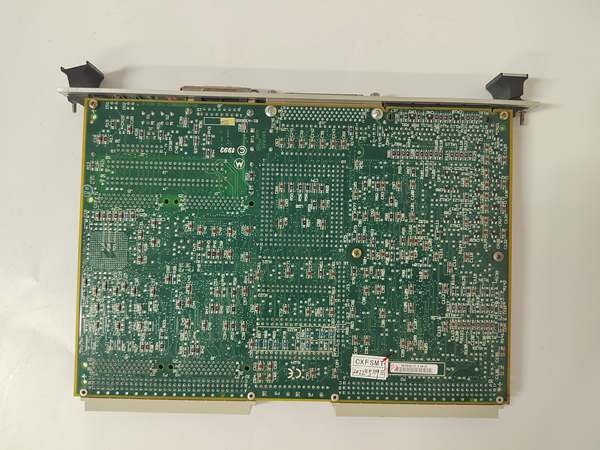
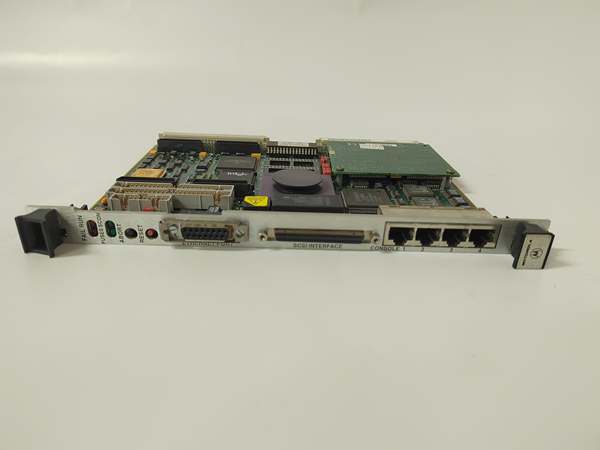
Description
Hard-Numbers: Technical Specifications
-
Processor: MC68040, 25 MHz (integrated FPU and MMU)
-
Memory: 4 MB to 32 MB DRAM (parity, socketed SIMMs), 512 KB to 2 MB SRAM (battery-backed)
-
VME Interface: VME64 (D32/A32, A24/D16 legacy support), VME master/slave capable
-
Ethernet: 1x 10BASE-T or 10BASE-2 (AAUI transceiver, Intel 82596CA), 10 Mbps
-
Serial Ports: 4x RS-232 (2 front DB-9, 2 rear P2), 1x RS-422/485 (jumper-selectable)
-
SCSI Interface: NCR 53C710, 8-bit Fast SCSI-2 (P2 connector, 10 MB/s)
-
IndustryPack Sites: 2x IP sites (16-bit, 8 MHz), carrier for analog I/O, digital I/O, or serial comms
-
Operating Temperature: 0°C to +60°C (standard), -40°C to +85°C (extended/conduction-cooled)
-
Isolation Rating: 500V DC port-to-port on serial channels (transformer isolated)
-
Power Draw: 12W typical, 18W max (+5V/±12V VME rails)
-
Flash Storage: 1 MB to 8 MB boot flash (socketed EPROM/Flash), 128 KB NVRAM (battery-backed)
-
Dimensions: 6U x 160mm (VME standard, P1/P2 connectors)

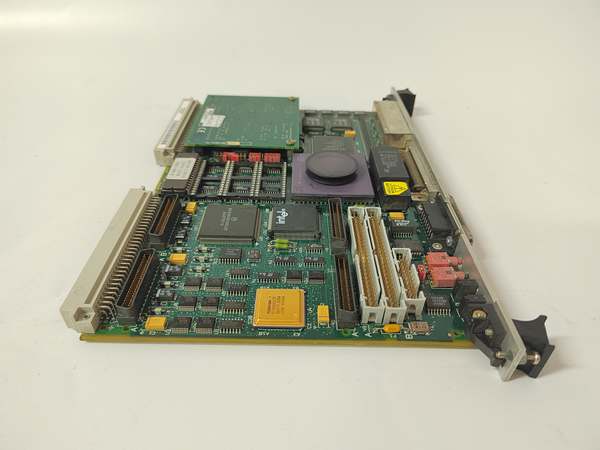
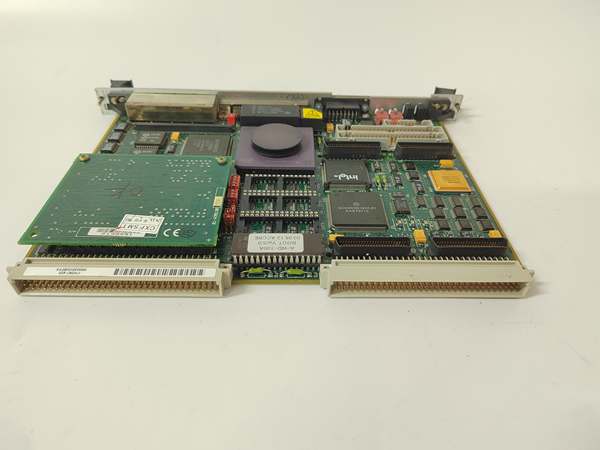
Motorola MVME162-213
The Real-World Problem It Solves
Plants built in the 1990s still run on 68040 code that nobody wants to rewrite. When the original MVME162 boards start failing—battery corrosion, SIMM slot fatigue, or blown SCSI terminators—you can’t just swap in a modern x86 box. The MVME162-213 keeps those legacy VME chassis alive, runs the same object code, and interfaces with existing IP mezzanine cards that handle the real-world signals.
Where you’ll typically find it:
-
Chemical processing plants: DCS controllers running Wonderware or Intellution FIX on VxWorks; IP modules handling 4-20mA loops.
-
Steel mills: Hot strip mill gauge control systems where microsecond interrupt latency matters and “Windows” is a dirty word.
-
Transit signaling: Wayside control cabinets in rail systems; the RS-422 port talks to track circuits while SCSI logs events to aging hard drives.
Bottom line: It’s a life-extension program for proven control logic that still meets spec, bought by engineers who’ve seen “modernization” projects end in tears.
Hardware Architecture & Under-the-Hood Logic
This is a true embedded controller, not a PC on a stick. The 68040 handles everything—no PCI bridges, no complex chipsets. Memory and I/O sit directly on the processor bus, giving deterministic access times that real-time control demands. The VME interface is handled by a Motorola VMEchip2 ASIC that arbitrates local bus vs. VME bus cycles.
-
Power-on reset: +5V rail stabilizes → 68040 fetches reset vector from boot flash (address 0x00000000) → Executes ROM-based firmware (pSOS+, VxWorks BSP, or proprietary monitor).
-
Memory map: DRAM starts at 0x00000000 (if configured), SRAM at high address (battery-backed for critical variables), VME A32 space mapped above local RAM.
-
VME arbitration: VMEchip2 manages D32 block transfers; board can act as VME master (DMA to/from DRAM) or slave (respond to external master cycles).
-
IP mezzanine access: IndustryPack sites decode to local I/O space; 16-bit data path at 8 MHz—slow by modern standards, but rock-solid for isolated analog inputs.
-
Interrupt handling: 68040 autovector interrupts from VME IRQ1-IRQ7, plus local sources (Ethernet, SCSI, IP sites); priority encoded in hardware.
Motorola MVME162-213
Field Service Pitfalls: What Rookies Get Wrong
Killing the Battery-Backed SRAM
That coin cell or Dallas chip battery isn’t just for the clock—it keeps your calibration data, recipe sets, and serial number tables alive. Rookies swap boards without noting SRAM contents, then wonder why the process won’t start.
-
Field Rule: Always dump SRAM to floppy/SCSI/network before pulling power. If the battery reads under 2.8V, plan for data loss. Some sites solder in external battery packs—check for red or black wires to an off-board lithium pack.
SCSI Termination Chaos
The NCR 53C710 SCSI port is picky. Missing terminator packs on the last device in the chain, or active termination when the drive expects passive, causes “random” SCSI bus resets that crash the controller.
-
Quick Fix: Verify 220/330 ohm resistor packs at both ends of the SCSI chain. If using an external drive enclosure, check that its termination is disabled—double termination kills signal integrity. The MVME162-213’s P2 pinout puts SCSI on rows C/D; bent pins here are common after rough handling.
Ignoring the IP Module Jumpering
Those IndustryPack mezzanines have their own address and interrupt jumpers. Two IP modules set to the same I/O address = bus conflict = board won’t boot or crashes on IP access.
-
Field Rule: Document every jumper on every IP module before removal. Use the “IP ID” switches if fitted—some carriers auto-configure, but legacy analog input modules (Acromag, Greenspring) are manual. When in doubt, scope the IP strobe lines for contention during power-up.