Description
Key Technical Specifications
| Parameter | Value |
|---|---|
| Input Voltage | 9-16V DC (Nominal 12V DC) |
| Operating Temp | 0°C to +60°C (Standard), up to +65°C (Extended) |
| Storage Temp | -40°C to +85°C |
| Status Indicators | 1 Green LED (4 modes), 1 Red LED (7 modes) |
| Watchdog Timer | Integrated hardware watchdog for automatic fault recovery |
| Communication | Internal I/O pack bus, IONet compatible upstream |
| Software Support | ToolboxST integration for configuration and diagnostics |
| Mounting | Daughterboard mounted on UCPA base/terminal board |
| Dimensions | 138mm x 86mm x 56mm (approx) |
| Weight | 0.2kg – 0.3kg (approx) |
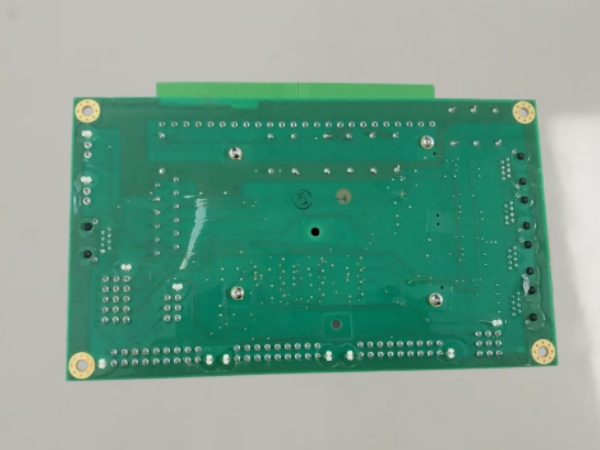
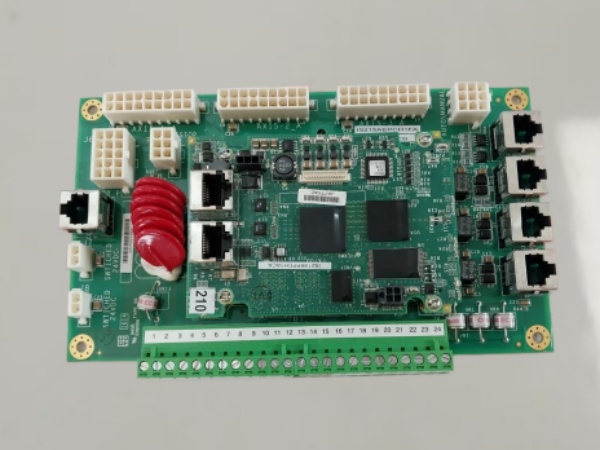
GE IS210BPPCH1ACA
Product Introduction
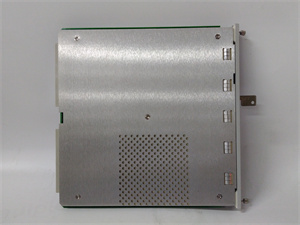
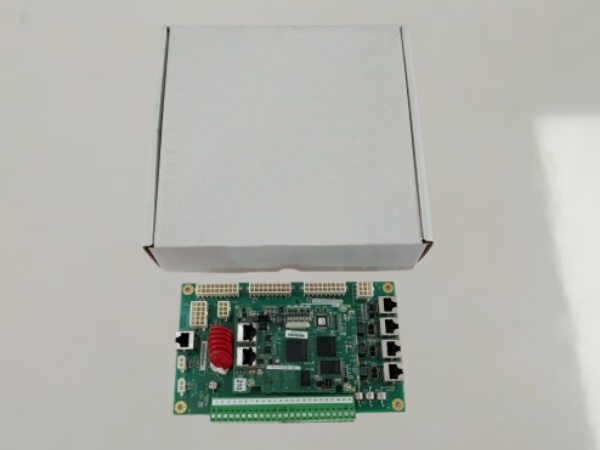
The serves as the computational core for GE Mark VIe distributed control systems. Mounted on a UCPA base, this processor daughterboard offloads critical tasks from the main controller. It handles real-time signal conditioning and executes local logic for turbine auxiliaries, compressor stations, and balance-of-plant equipment.
Engineers specify this “H1ACA” variant for its deterministic performance and robust diagnostics. The module features a sophisticated dual-LED system providing 11 distinct status codes for rapid field troubleshooting. Its integrated watchdog timer automatically resets the processor during software hangs, preventing unplanned shutdowns. This unit ensures continuous operation in harsh industrial environments, maintaining precise control even under extreme temperature fluctuations.
Key Selling Points & Differentiators
- Deterministic Local Processing: Offloads intensive I/O scanning and local control algorithms from the main controller, reducing network traffic and improving system response times.
- Advanced Diagnostic Visibility: Features dual-color LEDs with 11 distinct status modes, enabling technicians to diagnose communication losses or hardware faults without specialized software.
- Rigorous Validation: Each refurbished unit undergoes a 24-hour dynamic burn-in test on a live Mark VIe rack simulator. Includes serialized test report and 12-month warranty.
- Not recommended for: Legacy Mark VI systems utilizing non-compatible UCPA baseboards or applications requiring the higher processing power of newer “H2” revisions.
- Immediate Dispatch: New surplus and tested units ship within 24 hours from our Houston, TX distribution center.
FAQ
- It acts as the CPU for a UCPA I/O pack, managing data acquisition from field devices and executing local control strategies before communicating with the main Mark VIe controller via IONet.
- How do I troubleshoot the module using the LEDs?The green LED indicates normal operation or specific boot stages, while the red LED signals faults. For example, a solid red light typically indicates a hardware failure, whereas a flashing red pattern suggests a communication timeout with the controller.
- Is this module compatible with my existing Mark VIe rack?Yes, provided your system uses a compatible UCPA baseboard. The “H1ACA” hardware revision is supported by current ToolboxST versions. Always verify the hardware key in your controller’s project file before swapping.
- What happens if the processor experiences a software crash?The onboard hardware watchdog timer automatically resets the processor, restoring operation without manual intervention. This prevents the I/O pack from entering an undefined state and ensures system safety.
- Does the 12-month warranty cover firmware corruption?The warranty covers hardware failures under normal conditions. It excludes damage from incorrect firmware uploads, ESD mishandling, or physical stress during installation.
- Can I mix this with older BPPB modules in the same rack?Yes, Mark VIe systems support mixed I/O environments. The is designed to interoperate with older BPPB components, and the controller will automatically recognize the new hardware key.
- What accessories are included with the module?Each unit ships with the original mounting hardware. Terminal blocks and connectors are included if they were part of the original assembly. Contact sales for specific cabling requirements.
Quality Transparency SOP
- Incoming Verification: Source traceability check and serial number cross-referencing against GE databases. Visual inspection under magnification for micro-cracking, corroded pins, or damaged SMD components.
- Functional Bench Test: Mounted on a dedicated UCPA baseboard within a live Mark VIe test rack. Power-on self-test (POST) monitored via ToolboxST. Communication handshake and data exchange verified under load.
- Stress Testing: Subjected to a continuous 24-hour dynamic load test, including simulated network storms to validate the watchdog timer functionality and processor stability.
- Firmware/Config Verification: Current firmware version recorded. All DIP switch and jumper configurations documented and backed up.
- Final QC & Packaging: Final quality control sign-off completed and dated. Sealed in a custom anti-static bag with moisture absorption packets. Surrounded by industrial-grade foam shock protection. Affixed with a “QC Passed” label.
Transparency required: Test photos and video evidence of the bench test are available upon request. We never claim “100% failure-free” as industrial components operate under immense stress.
GE IS210BPPCH1ACA
Technical Risk Avoidance
Electrostatic Discharge (ESD) Damage
Risk: The high-density logic components are extremely sensitive to static. Casual handling can cause microscopic damage that leads to intermittent failures weeks after installation.
Prevention: Always wear a grounded anti-static wrist strap and handle the module only by its edges. Work on a certified ESD-safe mat.
Anecdote: A technician handled a processor board without ESD protection. The board passed initial tests but crashed during a heatwave three weeks later, traced back to a static-damaged logic gate.
Improper Seating in Baseboard
Risk: The daughterboard connects via high-density board-to-board connectors. Misalignment or insufficient insertion can bend pins, destroying both the processor card and the $2,000 UCPA baseboard.
Prevention: Visually inspect mating connectors for debris. Align carefully with guide rails and apply even, firm pressure until fully seated. Never force the board.
Anecdote: An installer forced a misaligned board into the base. The resulting short circuit damaged the baseboard’s power plane, requiring a complete I/O pack replacement.
Watchdog Timer Misconfiguration
Risk: If the main controller fails to refresh the watchdog timer due to network issues, the will reset. Without proper masking in the turbine’s sequencing logic, this can cause an unexpected process upset.
Prevention: Ensure your ToolboxST project has appropriate time-delay logic configured to tolerate brief I/O pack resets without tripping the main turbine.
Anecdote: A network broadcast storm caused the watchdog to time out. The turbine protection logic wasn’t configured to handle the 2-second I/O loss, initiating an emergency shutdown.
Firmware/Hardware Key Mismatch
Risk: Swapping a failed BPPB with an H1ACA without updating the ToolboxST hardware definition file will cause a mismatch error, preventing the I/O pack from initializing.
Prevention: Always download the hardware key from the replacement module using ToolboxST before adding it to the active rack. Pre-configure the controller to accept the new key if necessary.
Anecdote: A night-shift operator swapped a faulty I/O pack but didn’t update the controller’s hardware profile. The morning reboot rejected the new hardware key, delaying plant startup by 6 hours.
Practical Summary: Treat this as a sensitive high-speed digital asset. Adhere strictly to ESD protocols, ensure perfect mechanical seating, and always synchronize the hardware key with your ToolboxST project file. Keep the serialized test report on file for audit trails and warranty claims.