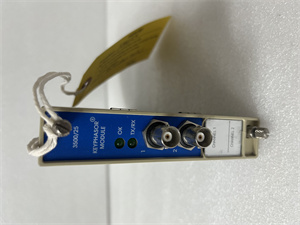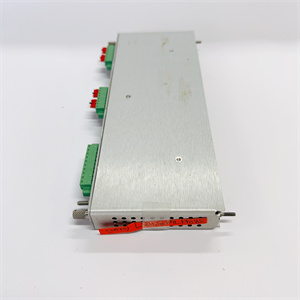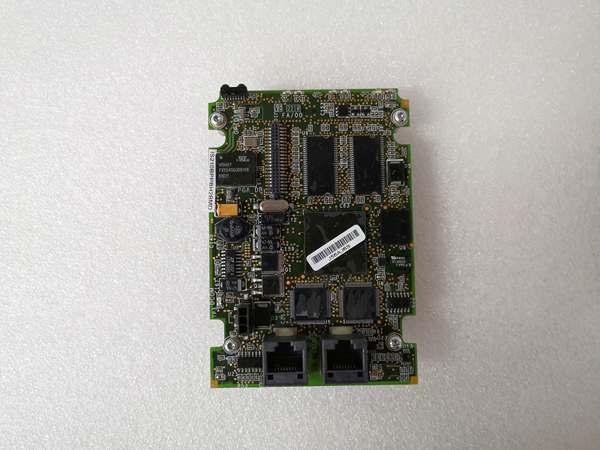
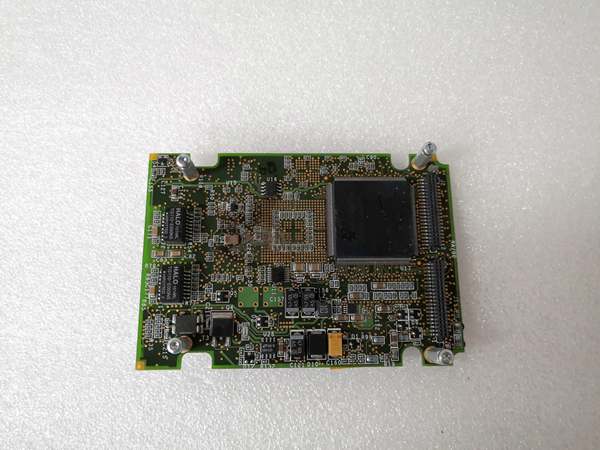
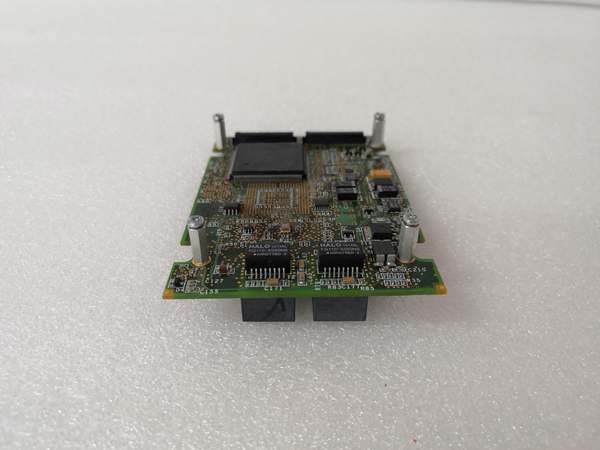
Description
Key Technical Specifications
| Parameter | Value |
|---|---|
| Input Voltage | 88-132V AC / 105-132V DC |
| Output Voltage | 24V DC Regulated (Primary), 5V DC & 3.3V DC (Logic Rails) |
| Output Current | 10A Continuous / 15A Peak (Primary Rail) |
| Operating Temp | -40°C to +65°C |
| Efficiency | >90% |
| Protection Features | Overvoltage, Undervoltage, Short-Circuit, Reverse Polarity, Transient Suppression |
| Hardware Revision | H2 |
| Configuration Suffix | BCAA (Specific Firmware/Config Variant) |
| Mounting | Chassis Mount / Rack Integration |
| Communication | Backplane Communication with Mark VIe Processors |
| Dimensions | 25.4cm x 10.2cm x 5.1cm (approx) |
| Weight | 1.2kg (approx) |
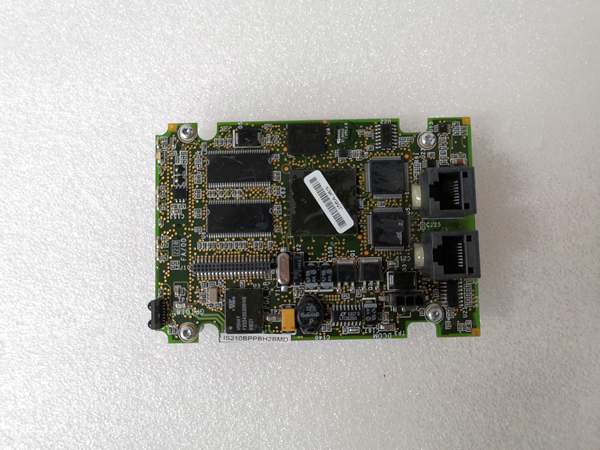
GE IS210BPPBH2BCAA
Product Introduction
The is a critical infrastructure component within the GE Mark VIe control system architecture. Serving as the base power supply board, it ensures that sensitive control electronics receive clean, stable power even in the electrically noisy environments of gas turbines, steam turbines, and heavy industrial compressors.
For engineering and procurement teams, the “BCAA” configuration signifies a specific set of firmware and hardware tuning parameters optimized for advanced power distribution and system diagnostics. Replacing a faulty BPPB board with the exact “BCAA” variant ensures that your turbine’s protection algorithms and I/O sampling rates remain perfectly synchronized, preventing nuisance trips and maintaining operational integrity.
Key Selling Points & Differentiators
- System-Level Stability: Designed specifically as the backbone power conditioner for Mark VIe racks, ensuring clean power delivery to all connected I/O packs and processors.
- Rigorous Validation: Every refurbished unit undergoes a comprehensive 24-hour dynamic load test on a live Mark VIe rack simulator. Includes a serialized test report and a 12-month warranty.
- Not recommended for: Systems requiring a different hardware revision (e.g., H1 or H3) or different firmware configurations (verify your system’s BOM).
- Direct Contrast: Unlike generic power distribution boards, the “BCAA” suffix includes specific backplane communication protocols and enhanced diagnostic reporting mapped to the Mark VIe’s ToolboxST software.
- Stock Availability: New surplus and tested refurbished units are ready to ship within 24 hours from our Houston, TX warehouse.
FAQ
- Is the compatible with my existing Mark VIe rack?
Compatibility depends on your system’s hardware definition file. The “H2” hardware revision and “BCAA” firmware must align with your current system configuration. Always verify the full part number against your site’s Bill of Materials (BOM).
- What is the typical lead time if the unit is currently out of stock?
New surplus units typically have a 3-5 week lead time. Refurbished, tested units are generally available for immediate dispatch, usually within 24 business hours.
- How does this base power supply prevent system-wide failures?
It features advanced transient response and hold-up circuitry. If the input voltage sags, the internal capacitance maintains the output rails, bridging the gap until the plant’s backup power stabilizes, thus preventing controller resets.
- Does the 12-month warranty cover firmware or configuration issues?
The warranty covers hardware failure under normal operating conditions. It does not cover damage resulting from incorrect firmware uploads, electrostatic discharge (ESD) mishandling, or exceeding the specified current ratings.
- Can I use a standard IS210BPPBH2B as a substitute in an emergency?
We strongly advise against it. The “BCAA” suffix denotes specific control logic and firmware. Substituting with a generic variant may cause a hardware key mismatch, potentially leading to a system trip or communication failure with the main processor.
- What accessories are included with the module?
Each unit ships with the original mounting hardware. Any specific cables or terminal blocks that were part of the original assembly are included unless otherwise noted. Please contact sales for specific cabling requirements.
- How is the module tested before shipment?
All units follow our stringent Quality Transparency SOP, detailed below. We utilize a dedicated Mark VIe test rack to simulate real-world load conditions and verify backplane communication integrity.

Quality Transparency SOP
- Incoming Verification: Source traceability and serial number validation against OEM records. Comprehensive visual inspection for burnt components, corroded pins, or damaged mounting tabs. Accessories and hardware count verified.
- Live Bench Test: Mounted on a dedicated Mark VIe test rack. Power-on self-check and boot-up sequence verification. Backplane communication handshake tested. Subjected to a continuous 24-hour dynamic load test at maximum rated capacity. Comprehensive timestamped test report generated.
- Electrical Tests: Insulation resistance measured using a calibrated 500V megger (must exceed 10 MΩ). Ground continuity strictly verified.
- Firmware/Config Verification: Current firmware version and hardware configuration (DIP switches/jumpers) are recorded and backed up.
- Final QC & Packaging: Final quality control sign-off completed and dated. Sealed in a custom anti-static bag. Surrounded by industrial-grade foam shock protection. Affixed with a “QC Passed” label.
Transparency required: Test photos and video evidence of the bench test are available upon request. We never claim “100% failure-free” as industrial components operate under immense stress.
Technical Risk Avoidance
Firmware/Hardware Key Mismatch
Risk: Installing a “BCAA” unit into a system expecting a different configuration will cause a hardware key mismatch, preventing the Mark VIe controller from booting and forcing a system trip.
Prevention: Always verify the full part number and firmware version against your site’s BOM and ToolboxST project file before ordering or installing.
Anecdote: A technician once replaced a faulty board with a slightly different revision. The controller rejected the hardware key upon reboot, causing a 14-hour unplanned downtime during a peak production window.
ESD Damage
Risk: The BPPB board contains highly sensitive logic components. Casual handling can cause microscopic damage, leading to intermittent communication failures or complete board failure weeks later.
Prevention: Always wear a grounded anti-static wrist strap and handle the module only by its edges or designated grounding points.
Anecdote: A contractor placed a board on a non-conductive workbench. The subsequent static discharge destroyed the backplane communication chip. The board passed initial tests but failed after three weeks in the live rack.
Mechanical Stress During Installation
Risk: Forcing the board into the rack or misaligning the backplane connectors can bend pins, causing permanent damage to both the board and the rack’s backplane.
Prevention: Always align the board carefully with the guide rails. Apply even pressure and never force the board. Check for bent pins before insertion.
Anecdote: An installer tried to force a board that was slightly misaligned. This bent several backplane pins, requiring an expensive and time-consuming backplane replacement.
Power Budget Miscalculation
Risk: Overloading the output rails by connecting too many high-draw I/O modules will cause the BPPB to overheat and trigger a thermal shutdown, taking down the entire rack.
Prevention: Calculate the total worst-case current draw of all connected devices on each rail. Ensure the load does not exceed 80% of the module’s rated capacity.
Anecdote: An engineer added multiple new analog output modules to a rack without recalculating the power budget. The excess load caused the BPPB to trip intermittently under high ambient temperatures.
Practical Summary: Always match the exact part number and firmware suffix. Handle with strict ESD protocols and align carefully du