Description
Key Technical Specifications
- Flexible Signal Adaptability: The module’s 16 channels can be configured as analog input or output channels as needed. When acting as an input module, it can convert analog signals from temperature, pressure and other sensors into digital signals for the control system. When used as an output module, it can convert digital control signals into analog signals to drive actuators. It supports various common signal types, which enables it to match different on-site detection and control equipment without the need for additional adapter modules.
- Reliability and Safety Assurance: Its TMR redundant architecture ensures that the module can still maintain stable operation even if one channel malfunctions, avoiding data loss or signal interruption in critical processes. The built-in channel isolation design can prevent mutual interference between different channels. Moreover, the overvoltage and short-circuit protection functions can effectively protect the module from damage due to abnormal on-site circuit conditions, extending the service life of the product.
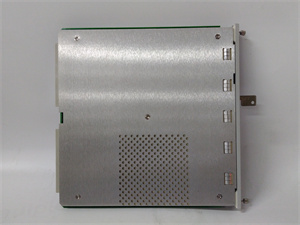
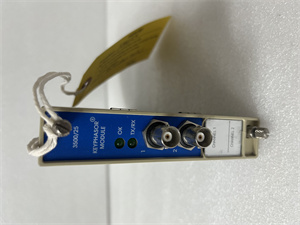
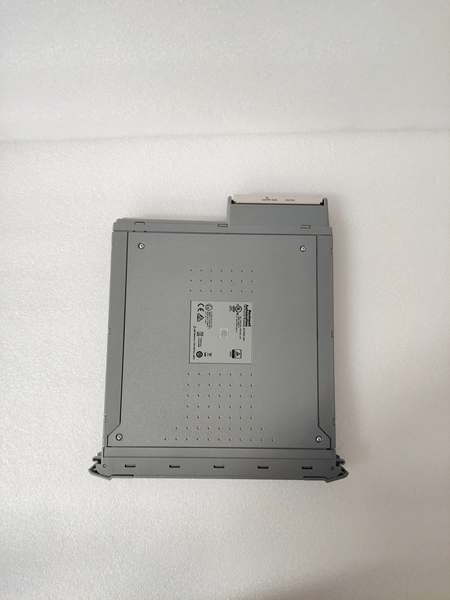
- Convenient Maintenance Performance: The module is equipped with LED status indicators that can intuitively reflect the working status of each channel and fault information. Combined with its advanced diagnostic function, maintenance personnel can quickly locate problems such as channel failures and poor signal transmission. Meanwhile, its compact size makes it easy to install and disassemble in the control cabinet, reducing maintenance difficulty.
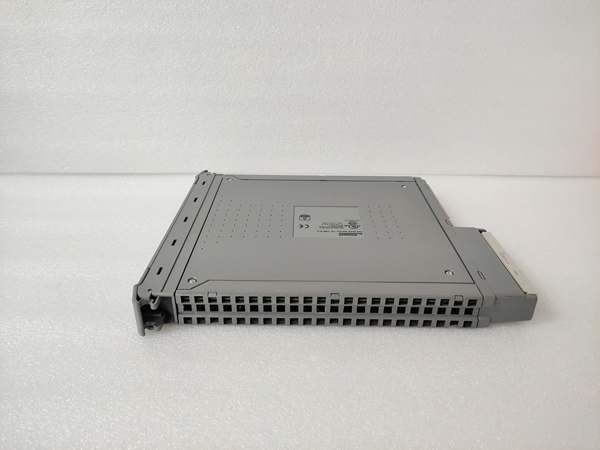
Field Application & Problem Solved
- Petrochemical Process Control: In chemical production links such as raw material synthesis and product distillation, a large number of temperature and pressure sensors need to transmit signals to the control system. The T9832 module can collect analog signals from these sensors uniformly and convert them into digital signals with high precision. Its SIL 3 certification and TMR architecture ensure that even in harsh environments with strong corrosion and large electromagnetic interference, the signals will not be distorted. This solves the problem of inaccurate process parameter monitoring caused by unstable signal transmission, thus avoiding product quality defects.
- Thermal Power Plant Auxiliary System Control: In thermal power plants, the water supply and air supply systems need to adjust the opening of valves and the speed of fans according to real-time parameters. The T9832 module can receive digital control signals from the central controller, convert them into analog signals to drive the actuators of valves and fans. Its overvoltage and short-circuit protection functions can cope with the voltage fluctuations in the power plant environment, preventing module damage and ensuring the continuous and stable operation of the auxiliary systems. This addresses the issue of frequent actuator control failures caused by harsh electrical environments in power plants.
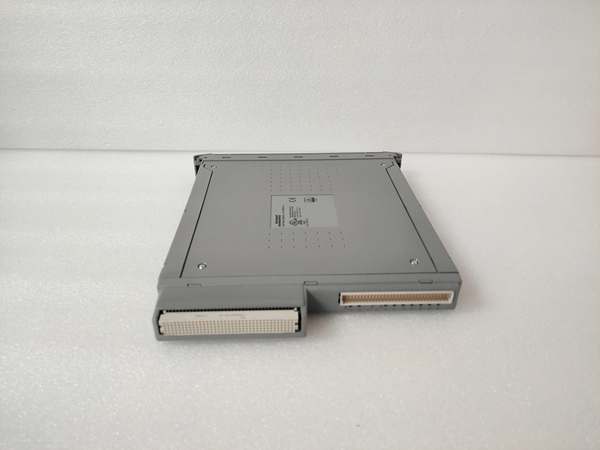
Installation & Maintenance Pitfalls (Expert Tips)
- Standardized Signal Configuration: Before installation, use professional software to configure the channel functions (input or output) and signal types according to on-site needs. Ensure that the configured signal range matches the parameters of sensors and actuators. Mismatched configurations may lead to signal loss or even module and on-site equipment damage.
- Attention to Wiring Details: When wiring, distinguish the positive and negative poles of signals clearly to avoid reverse connection. Keep the signal lines of the module away from high-voltage power lines to prevent electromagnetic interference affecting signal accuracy. Moreover, ensure that the wiring is firm, as loose connections may cause intermittent signal transmission and false fault alarms.
- Regular Diagnostic and Maintenance: Regularly check the LED indicators on the module to grasp the channel working status in real time. Use the system’s diagnostic tools to conduct comprehensive inspections on the module, record fault information and trend data. In addition, back up the module’s configuration parameters regularly. When the module is replaced, the configuration can be quickly restored to minimize downtime.