Description
Key Technical Specifications
| Parameter | Details |
|---|---|
| Manufacturer | ICS Triplex (integrated into Schneider Electric’s Triconex brand) |
| Electrical Parameters | The operating voltage is 24VDC, the typical current consumption is 300mA, and the maximum switching voltage can reach 60VDC. The relay contacts can bear 3A current under 24VDC voltage, which can meet the switching needs of most industrial field devices. |
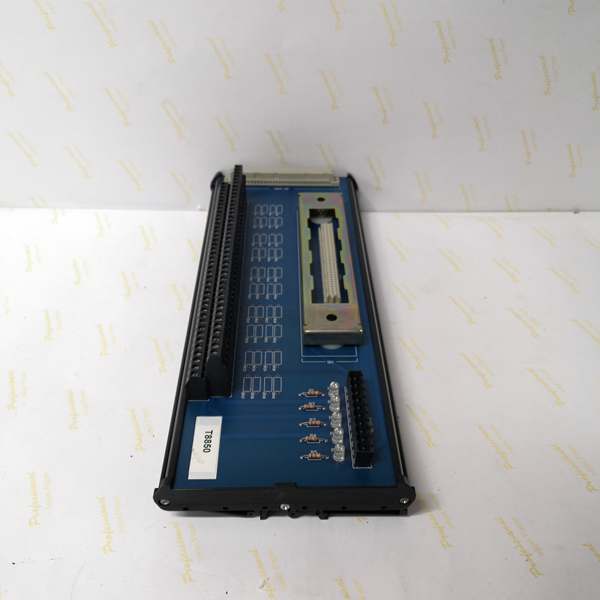
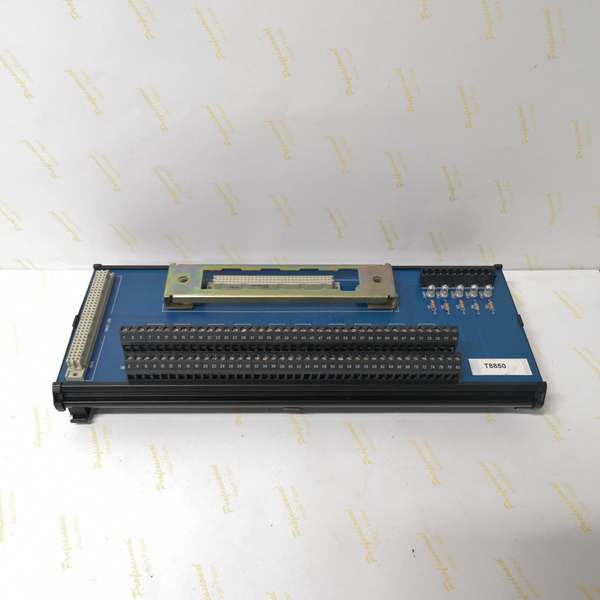
| Physical Indicators | There are differences in size data from different suppliers. One version is 60mm×170mm×105mm and weighs 0.8kg; another version is 120mm×80mm×60mm with a weight of about 0.5kg. It supports DIN rail or panel installation methods, which is convenient for integration into existing control cabinets. |
| Environmental Adaptability | The operating temperature range has multiple parameter versions, including -20°C to 70°C, 0°C to 60°C, etc. The storage temperature can reach -40°C to 85°C, and it can work normally under 5%-95% non-condensing humidity, which is suitable for various harsh industrial environments. |
| Safety & Compliance | It has obtained multiple certifications such as CE, UL, ATEX, and FM. It complies with the IEC 61508 SIL 3 safety integrity level standard, which can fully meet the safety and reliability requirements of critical industrial control scenarios. |
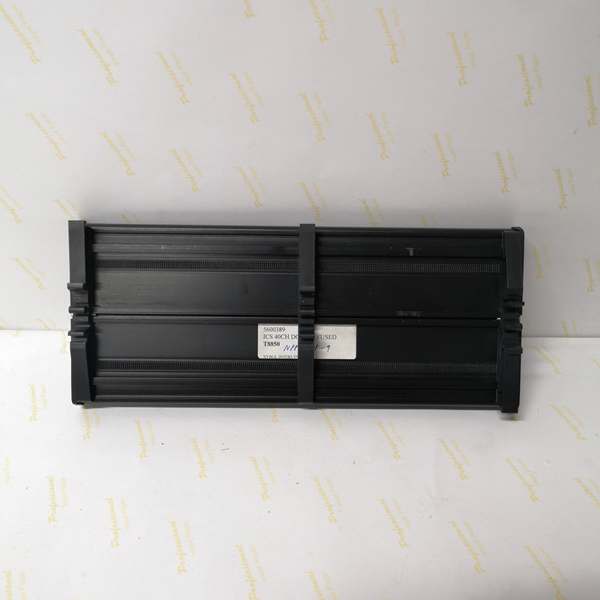
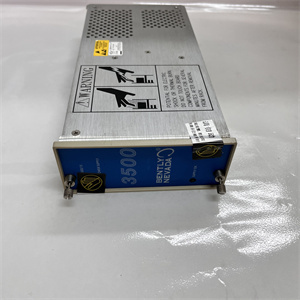
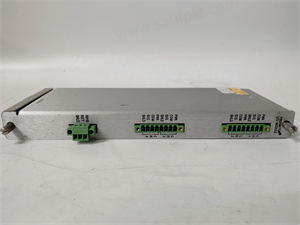
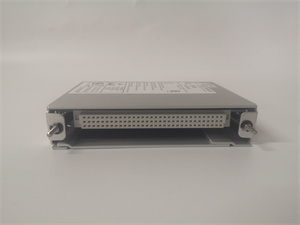
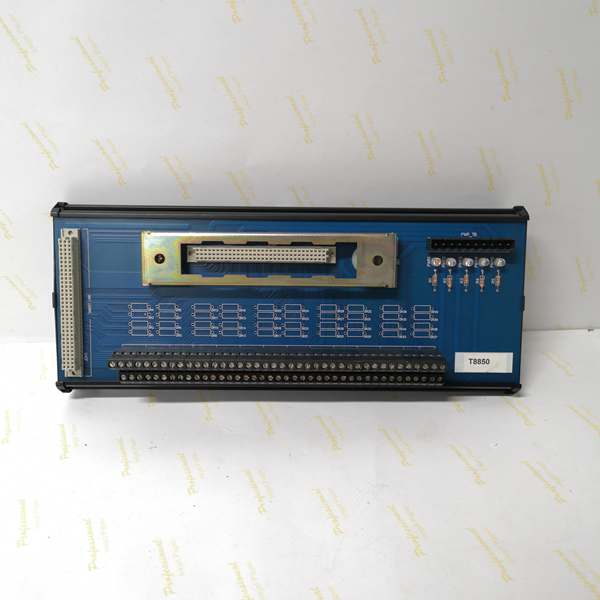
ICS Triplex T8850
Field Application & Problem Solved
The T8850 can effectively solve these problems. For example, in an offshore oilfield’s oil transportation pipeline control system, the module serves as an expander interface to connect multiple groups of pipeline pressure switches and emergency valves. Its 40-channel design meets the expansion demand of multi-point signal collection and control, and the TMR architecture ensures that even if a single channel fails, the normal transmission of other signals will not be affected, avoiding pipeline leakage accidents caused by signal loss. In a thermal power plant’s boiler control system, it realizes the signal interaction between the boiler temperature and pressure sensors and the trusted TMR main control system. With its high compatibility, it solves the problem of interface mismatch between different devices and ensures the timely feedback of boiler operating parameters to the control center.
Installation & Maintenance Pitfalls (Expert Tips)
- Ignoring Protocol Matching: The module supports multiple protocols such as Modbus RTU and Ethernet. If the communication protocol is not matched with the connected PLC or SCADA system during installation, data transmission failure will occur. It is necessary to confirm the protocol type of the existing system in advance and make corresponding settings.
- Unstable Installation: When installing on a DIN rail, if the module is not clamped tightly, it may cause poor contact due to vibration during equipment operation. After installation, it is necessary to check the firmness of the module to prevent signal transmission problems caused by loose installation.
- Overlooking Voltage Fluctuations: Although the module is designed for 24VDC operation, voltage fluctuations in the industrial field are common. If a voltage stabilizer is not configured, instantaneous high voltage may damage the internal circuit. It is recommended to install a matching voltage stabilizer during installation.
- Neglecting Channel Load Management: When using multiple channels at the same time, if the total load of the connected devices exceeds the maximum bearing capacity of the module, it will lead to module overheating and failure. It is necessary to calculate the load of each channel in advance and avoid overloading the module.

ICS Triplex T8850
Technical Deep Dive & Overview
In terms of usability, its various installation methods adapt to different control cabinet layouts. The support for multiple mainstream communication protocols enables it to be integrated with most existing industrial control systems without large-scale transformation of the original system. In the market, the module is often supplied as a new product in stock, and the fast delivery cycle can reduce the downtime caused by equipment damage. Its long mean time between failures (more than 500,000 hours) also greatly reduces the later maintenance frequency and lowers the operation and maintenance costs of enterprises.