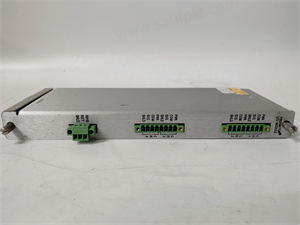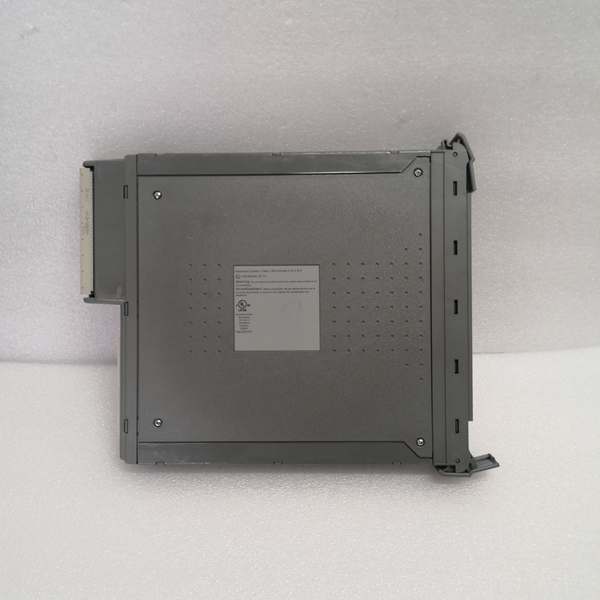
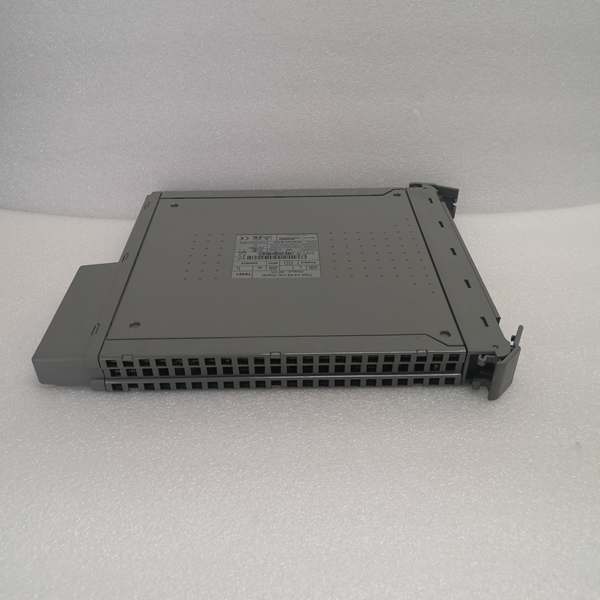
Description
Key Technical Specifications
| Parameter | Details |
|---|---|
| Manufacturer | ICS Triplex |
| Electrical Parameters | The output voltage is 24VDC, the output current is 1A, and it has 500V electrical isolation, which can effectively resist electrical interference and protect the safety of the circuit and connected equipment. |
| Physical Indicators | There are differences in the size data from different sources. One set of data shows that the weight is 0.8kg and the size is 16cm×16cm×12cm; another set shows that the weight is 1.07kg and the size is 3.2cm×26.5cm×36cm. |
| Environmental Adaptability | The mainstream operating temperature range is 0°C – 55°C, and the storage temperature range is -20°C – 70°C. A small number of sources indicate that the operating temperature can reach -40°C – 70°C. It can work normally in an environment with 5% – 95% non-condensing humidity. |
| Safety & Compliance | It has CE and UL certifications. Its fault-tolerant design and isolation performance can ensure stable operation even when the module fails, meeting the safety requirements of critical industrial applications. |
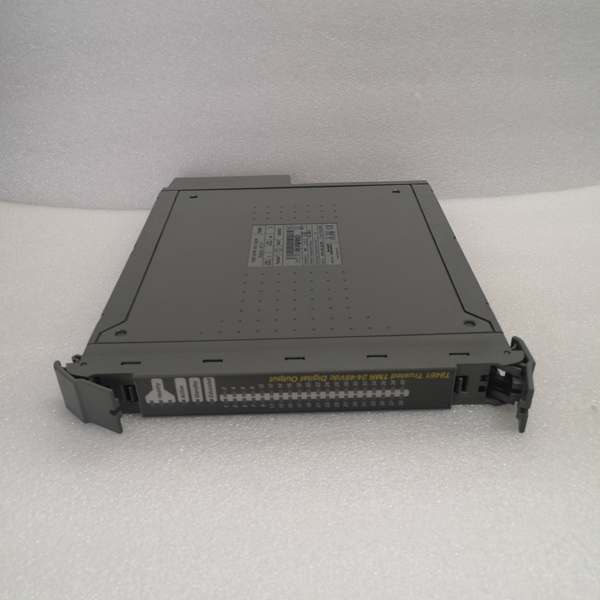
ICS Triplex T8461
Field Application & Problem Solved
For example, in an offshore oil platform’s wellhead control system, the T8513 is responsible for sending control signals to the solenoid valves that control the oil flow. Its 500V isolation performance can resist electromagnetic interference from marine equipment and harsh sea conditions, avoiding false signals of solenoid valves. In a thermal power plant’s boiler combustion control system, the module controls the relay connected to the combustion regulator. When the module fails, its compatibility with the TMR system can ensure that the control signal is not interrupted, and the hot-swappable function allows maintenance personnel to replace the faulty module without shutting down the boiler system, thus avoiding huge economic losses caused by production suspension.
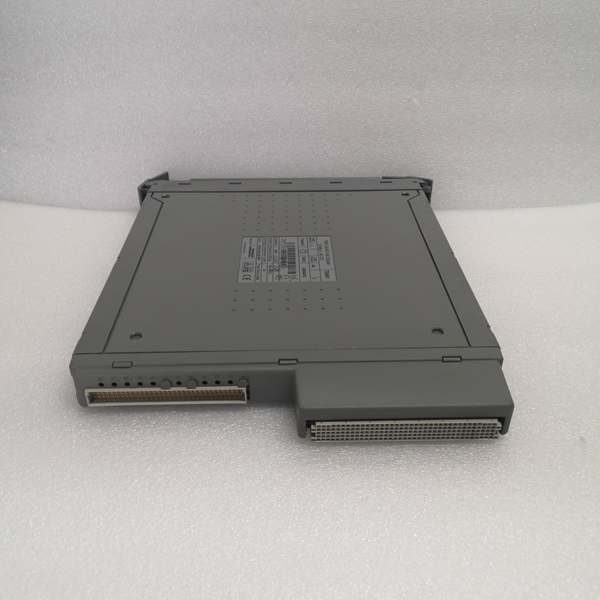
ICS Triplex T8461
Installation & Maintenance Pitfalls (Expert Tips)
- Ignoring Hot-Swap Operation Specifications: Although the module supports hot-swapping, if the operation steps are not followed during maintenance and replacement, it may cause instantaneous signal interruption or damage to the module interface. It is necessary to strictly operate in accordance with the equipment manual to ensure that the system is in a stable state before swapping.
- Mismatched Load Equipment: The module’s output current is 1A. If a field device with an operating current exceeding 1A is connected, it will cause overload and damage the module. Before installation, it is necessary to confirm that the load parameters of the connected equipment match the module’s output parameters.
- Neglecting Isolation Protection Check: The 500V isolation performance is the key to resisting electrical interference. If the isolation layer is damaged due to improper installation collision, it will lose the anti-interference ability. After installation, relevant tests should be carried out to verify the isolation effect.
- Overlooking Diagnostic Signal Monitoring: The module is equipped with a diagnostic monitoring function. If the staff do not pay attention to the diagnostic data during daily operation, they will not be able to detect potential faults in time. It is necessary to connect the diagnostic signal to the main control system and set up fault alarms.