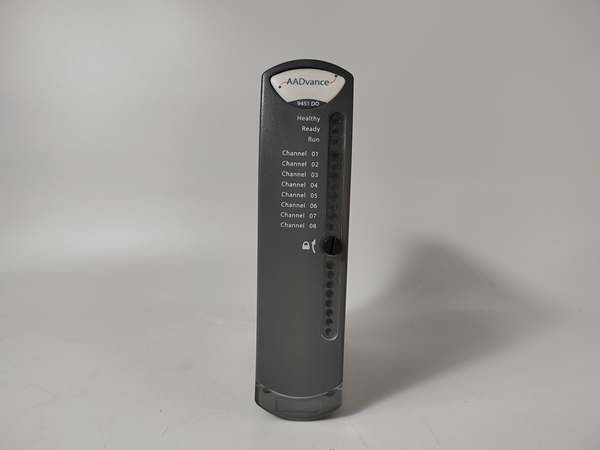
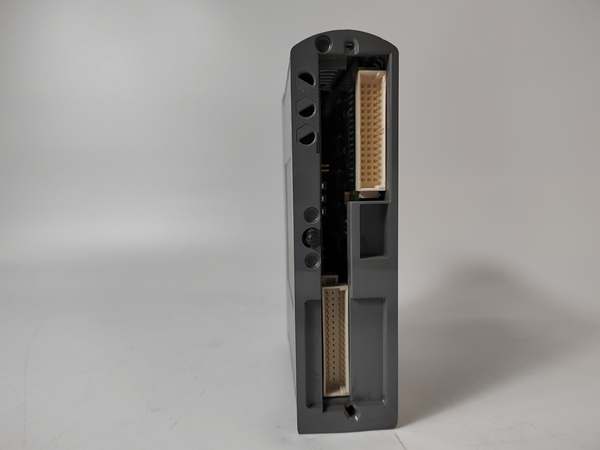
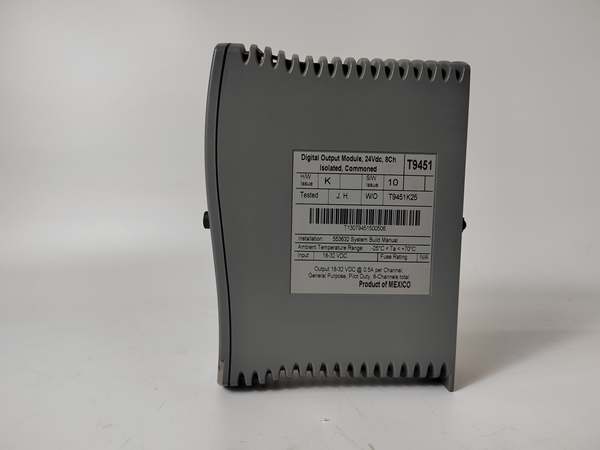
Description
Key Technical & Structural Features
- Flexible Voting Logic & High Safety Level: The module supports two voting logic configurations: 1oo2 (1 out of 2) and 2oo3 (2 out of 3). This flexible configuration allows it to adapt to different safety-level requirements of industrial sites. Meanwhile, it meets the SIL 3 standard specified in IEC 61508 and complies with DIN 19250/AK 5 certification, which can fully meet the safety control needs of critical industrial systems.
- 16-Channel Dynamic Monitoring: Equipped with 16 monitored digital input channels, it can connect multiple field sensors and collect on-site digital signals in a centralized manner. It realizes dynamic transition monitoring of input signals, and requires the input signal to complete dynamic transition within the second fault occurrence time, which ensures the timeliness and accuracy of signal acquisition and avoids false signals affecting system judgment.
- Convenient Maintenance & Fault Diagnosis: It supports hot-swappable function. When a fault occurs, maintenance personnel can replace the module without shutting down the entire safety system, which minimizes production downtime. In addition, the built-in fault diagnosis function can automatically detect input and line faults and report fault information in time, helping maintenance personnel quickly locate problems and improve maintenance efficiency.
- Strong Environmental Adaptability: It can operate stably in the temperature range of 0°C – 60°C, and can withstand the harsh temperature environment of -40°C – 85°C during storage. It can also work normally in a high-humidity environment (5%-95% non-condensing), which is suitable for various complex industrial sites such as chemical plants and thermal power plants with large temperature differences and high humidity.

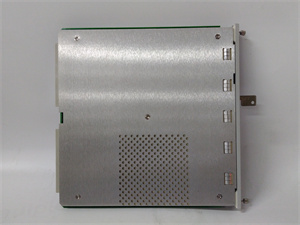
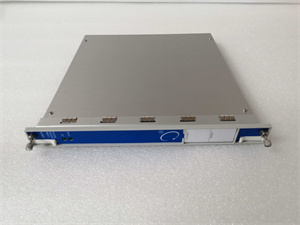
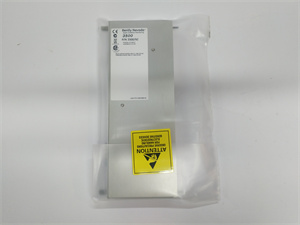
ICS Triplex T3484
Field Application & Problem Solved
The T7411F module can well solve these problems. For example, in the gas detection and alarm system of a petrochemical storage and transportation station, the 16 channels of the module can be connected to 16 gas concentration sensors in different areas. Through the 2oo3 voting logic configuration, the system can avoid false alarms caused by the failure of a single sensor. When the line between a sensor and the module is short-circuited, the module can quickly detect the fault and send a signal to the control center. In the auxiliary control system of a nuclear power plant’s auxiliary equipment, its hot-swappable feature allows maintenance work to be carried out during the equipment’s standby operation, without affecting the normal operation of the main system, and its high safety level ensures that the auxiliary equipment’s signal collection will not have safety risks.
ICS Triplex T3484
Installation & Maintenance Pitfalls (Expert Tips)
- Improper Configuration of Voting Logic: If the voting logic is mismatched with the on-site safety requirements (e.g., using the 1oo2 configuration in a scenario requiring the highest safety level), the system’s fault tolerance will be insufficient. It is necessary to evaluate the safety level of the application scenario in advance and select the appropriate 1oo2 or 2oo3 voting logic configuration.
- Ignoring Signal Transition Requirements: The module has clear dynamic transition requirements for input signals. If the connected sensor outputs a static signal for a long time and cannot complete the dynamic transition within the specified time, it may trigger false fault alarms. It is necessary to confirm the signal output characteristics of the sensor in advance and make corresponding parameter adjustments.
- Rough Operation During Hot-Swapping: Although hot-swapping is supported, plugging and unplugging the module randomly during the peak period of signal collection may cause transient signal loss. It is recommended to perform hot-swapping during the low-load period of the system and check whether the module is installed in place and the indicator light is normal after replacement.
- Neglecting Altitude Limitations: The module can operate without derating only when the altitude is within 2000m. If it is used in high-altitude industrial sites such as plateau power stations beyond this altitude, without taking derating measures, the module’s operating stability will be affected, and even internal components will be damaged. It is necessary to take voltage stabilization and heat dissipation enhancement measures according to the actual altitude.