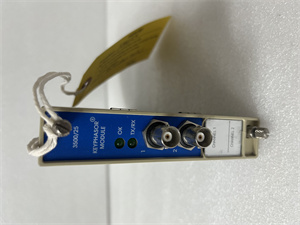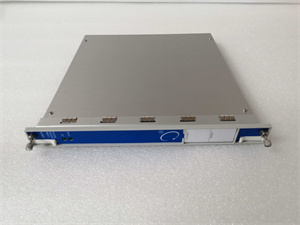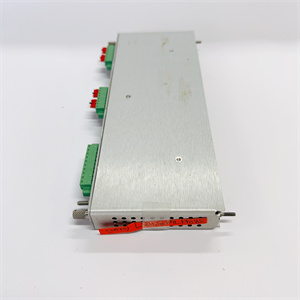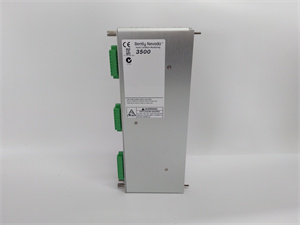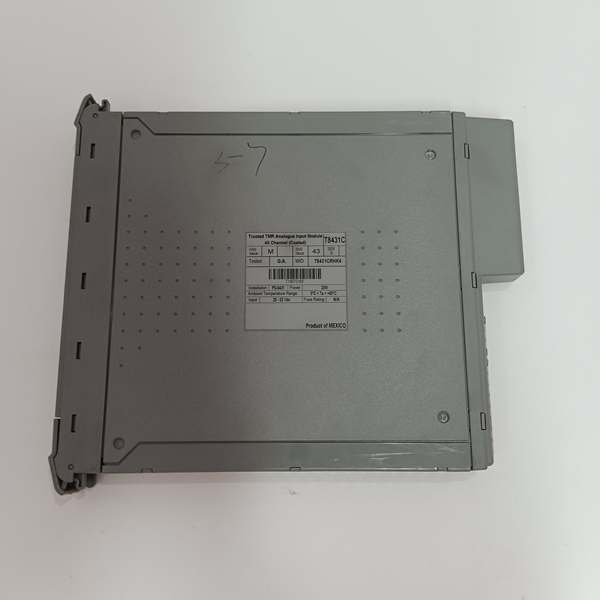
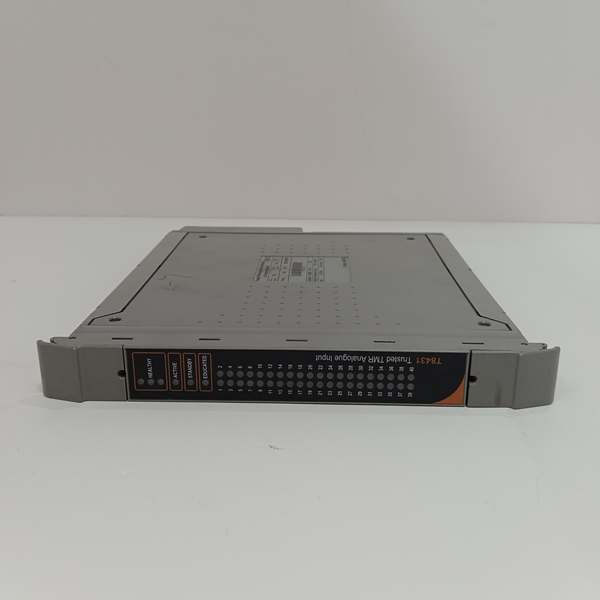
Description
Key Technical Specifications
| Parameter | Details |
|---|---|
| Manufacturer | ICS Triplex (affiliated to Rockwell Automation) |
| Input Parameters | Input voltage range is 170 – 263 VAC, input frequency range is 47 – 63 Hz. |
| Output Parameters | The standard output voltage is +15 VDC, and one version can reach an output current of 6.5 A with an output current limit of 7.5 A. |
| Redundancy Design | Equipped with three independent power modules, which fundamentally eliminates single points of failure and ensures uninterrupted power supply. |
| Physical & Environmental Indicators | One set of dimension data is 88.9×22.2×101.6mm, and the weight data varies from 0.5kg to 1.2kg among different merchants. The operating temperature range is -40°C to +70°C, and the storage temperature range is -55°C to +85°C. |
| Safety Certification | It has SIL 3, PL e (Category 4) certifications, and is TÜV certified, while complying with CENELEC standards. |
| Compatibility | It is specially matched with the T3501 chassis, and can supply power to up to four I/O assemblies. The chassis is equipped with 2A, 250V, 3AG slow-blow fuses. |
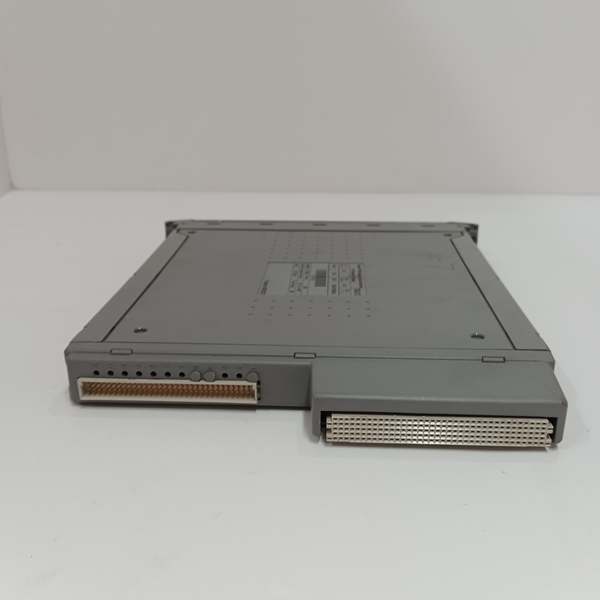
ICS Triplex T8431C
Field Application & Problem Solved
The T3511 can effectively solve such problems. For example, in an onshore petrochemical plant’s emergency shutdown system, the module supplies power to multiple I/O assemblies responsible for collecting gas concentration and pressure signals. Its triple redundancy design ensures that even if two power modules fail unexpectedly, the third one can still maintain stable power output. This prevents the emergency shutdown system from failing due to power interruption and ensures that the system can immediately trigger shutdown procedures when dangerous situations are detected. In a chemical plant’s reaction process control system, its hot-swap function allows maintenance personnel to replace faulty parts without stopping the production system when a power module has a minor fault, avoiding economic losses caused by production suspension due to maintenance.
Installation & Maintenance Pitfalls (Expert Tips)
- Mismatched Chassis Selection: The module must be used with the T3501 chassis. If it is arbitrarily installed on other non-matching chassis, problems such as poor electrical connection and inability to supply power normally may occur. It is necessary to confirm the chassis model before installation to ensure compatibility.
- Ignoring Fuse Type Requirements: The matching chassis has specific requirements for fuses, which need to be 2A, 250V, 3AG slow-blow fuses. Using fuses of other specifications will either fail to protect the circuit or cause frequent fuse blowing. It is necessary to strictly select fuses that meet the specifications.
- Improper Hot-Swap Operation: Although it supports hot-swap, rough operation during the replacement process may damage the module interface and the chassis socket. When replacing, it is necessary to follow the operation steps in the manual, such as turning off the corresponding branch switch first, and then performing the plugging and unplugging operation.
- Neglecting LED Indicator Inspection: The front-panel LED indicators can reflect the DC output status. If the indicator status is not checked after installation, it is impossible to find problems such as abnormal output in time. After installation, it is necessary to observe the indicator light to confirm that the power supply is normal.
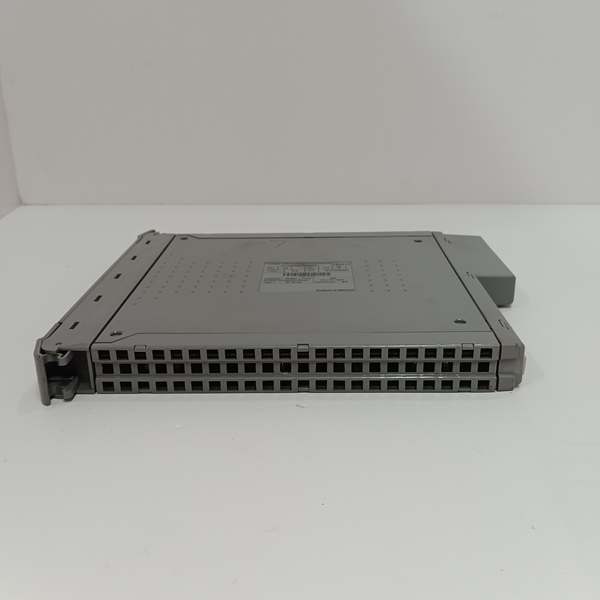
ICS Triplex T8431C
Technical Deep Dive & Overview
The hot-swap function is another major advantage of it. It breaks the traditional maintenance mode that requires system shutdown, greatly reduces the maintenance cost of enterprises. In terms of practicality, the front-panel LED indicators allow on-site personnel to quickly judge the power supply status without professional testing equipment, improving the efficiency of fault diagnosis. In addition, the module is supplied with original packaging in the market, and most suppliers provide a 12-month warranty service, which ensures the later use and maintenance of enterprises and reduces the risk of equipment use.