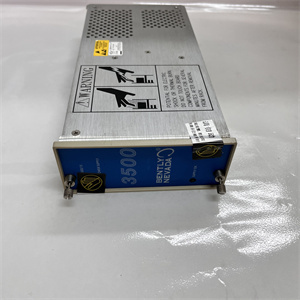
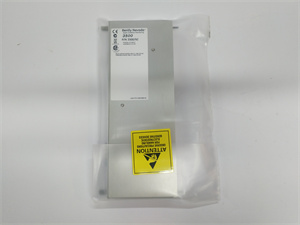
Description
Key Technical Specifications
- Model Number: FC-TSDI-16115
- Manufacturer: Honeywell Process Solutions
- Input Channels: 16 independent active/passive digital inputs
- Input Voltage Range: 115V AC (40–300Hz) / 115V DC (tolerance: -15% to +30%)
- Input Current: 7.5mA ±1mA @ 115V
- Input Impedance: ≥9kΩ (non-inductive)
- Isolation Rating: 2kV AC galvanic isolation (input to output)
- Terminal Type: Screw terminals (accepts 2.5mm² / AWG 14 wire)
- Terminal Torque Requirement: 0.5 N·m
- Mounting: DIN EN TS32/TS35×7.5 rail mount (301mm rail length required)
- Operating Temperature: 0°C to 70°C (derated to 50°C at max voltage tolerance)
- Storage Temperature: -40°C to 85°C
- Certifications: UL, CE, TÜV, CSA (SIL 3 capable when paired with SDI-1624)
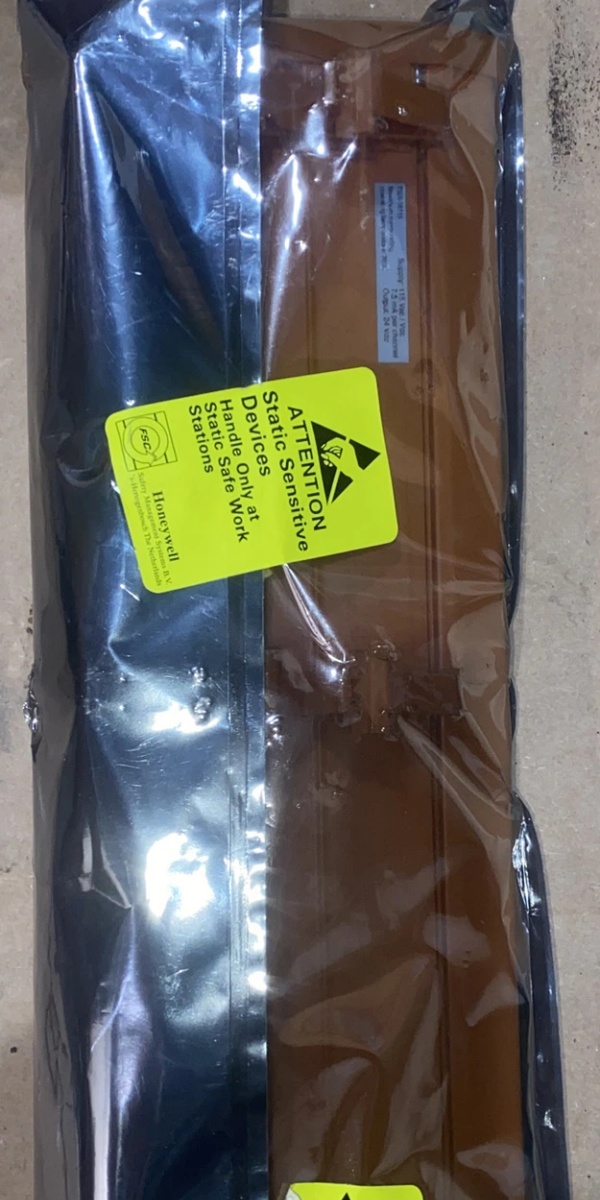
Honeywell FC-TSDI-16115
Field Application & Problem Solved
In refineries, chemical plants, and LNG terminals, safety instrumented systems (SIS) rely on reliable signal transmission from high-voltage field devices—think emergency shutdown (ESD) valves, flame detectors, and pressure trip switches. The biggest pain point here is bridging 115V AC/DC field signals to the 24V DC logic of Honeywell’s SDI-1624 safety modules. Legacy termination assemblies either lack isolation (causing cross-channel interference) or require separate modules for AC and DC signals (cluttering racks and increasing failure points). This FTA solves both problems: it handles mixed 115V AC/DC inputs on the same module and provides 2kV isolation to protect the safety module from field-side surges.
You’ll find this FTA in every critical SIS loop—typically mounted in explosion-proof cabinets near the field or in main control room racks. It’s the mandatory interface between 115V field devices and the SDI-1624 module; without it, high-voltage signals would fry the low-voltage safety logic. Its core value is signal conversion paired with isolation: it steps down 115V inputs to 24V DC for the safety module, while the galvanic isolation prevents a field-side short or surge from taking down the entire SIS loop. I’ve seen this FTA survive a lightning-induced surge that took out non-isolated termination assemblies in the same rack—proof that its isolation isn’t just a spec, it’s a lifesaver for safety systems.
Another hidden value is its 16-channel density. In a typical ESD system with 32 trip points, you only need two of these FTAs instead of four 8-channel units. This cuts down on wiring time, rack space, and spare parts inventory—critical in plants where every inch of cabinet space is at a premium. For maintenance teams, this means fewer modules to troubleshoot and replace, reducing unplanned downtime for safety system testing.
Installation & Maintenance Pitfalls (Expert Tips)
Terminal Torque Is Not a Suggestion: Rookies grab a regular screwdriver and crank down terminals until they “feel tight”—this is a death sentence for this FTA. Over-tightening strips the screw threads; under-tightening causes loose connections that lead to intermittent signal drops. The spec calls for 0.5 N·m—use a torque screwdriver, not guesswork. I’ve fixed a dozen SIS false trips caused by loose terminals that created voltage drops below the detection threshold.
Isolation Testing Is Mandatory Before Commissioning: The 2kV isolation rating degrades over time due to moisture or corrosion, especially in coastal plants. Skip dielectric testing, and a channel-to-channel short could cause a spurious ESD trip (costing $100k+ in downtime). Before commissioning, use a calibrated insulation tester set to 2kV AC, test each channel for 1 minute, and verify isolation resistance ≥100MΩ. If it fails, replace the FTA—don’t risk a safety system failure.
Don’t Mix Active and Passive Inputs on the Same Channel: This FTA supports both active (powered field device) and passive (dry contact) inputs, but you can’t switch a channel mid-operation. Rookies often wire a dry contact to a channel configured for active input, resulting in no signal detection. Configure each channel in the SIS software before wiring, and label terminals clearly—this 5-minute step prevents hours of troubleshooting during startup.
Derate Temperature for High Voltage Tolerance: The FTA’s 70°C operating temp only applies at nominal 115V. If your plant’s power grid runs at +30% (150V), the max operating temp drops to 50°C. Mounting this FTA in an unventilated cabinet in a 60°C boiler room will cause premature failure. Always check the voltage derating curve, and ensure proper cabinet ventilation—ignoring this will lead to module replacement every 6–12 months instead of the rated 10+ years.
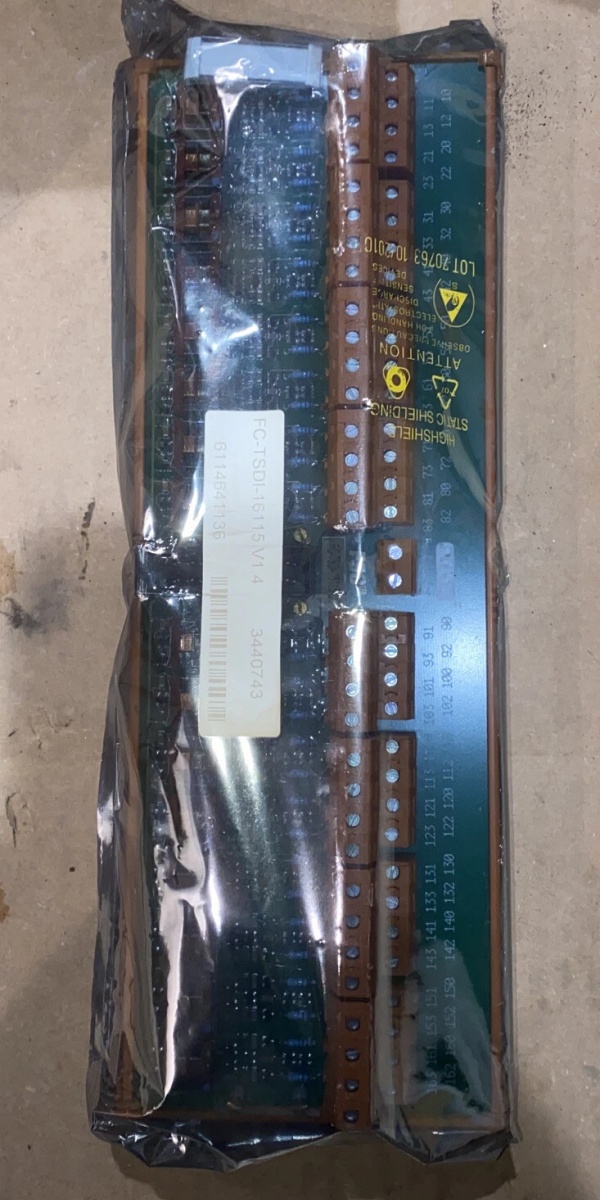
Honeywell FC-TSDI-16115
Technical Deep Dive & Overview
The FC-TSDI-16115 is a passive field termination assembly designed to act as the first line of defense between high-voltage field devices and low-voltage safety modules in Honeywell SIS. It has no on-board power supply or processing—its core function is signal conversion and isolation. Each of the 16 channels uses a high-impedance resistor network to step down 115V AC/DC inputs to 24V DC, which is compatible with the SDI-1624 module’s logic level. The 2kV galvanic isolation is achieved via optocoupler-based isolation barriers, which prevent current flow between the field-side high voltage and the system-side low voltage.
Unlike smart modules, this FTA is “dumb”—it doesn’t communicate with the controller or provide diagnostics beyond what the downstream SDI-1624 module detects. This is a feature for safety systems: fewer moving parts mean fewer failure points. The screw terminals are designed for vibration resistance, critical in pump skids or turbine enclosures where constant shaking loosens connections. The DIN rail mount allows for quick replacement during SIS testing, and the compact 300×109×68mm footprint fits in standard safety cabinets.
In the field, this FTA’s strength is its simplicity and ruggedness. It has no firmware to update, no settings to configure, and no batteries to replace—install it correctly, and it runs for decades. For safety engineers, it’s a critical component that ensures high-voltage field signals are safely converted to low-voltage logic, keeping SIS loops reliable and compliant with SIL 3 requirements.