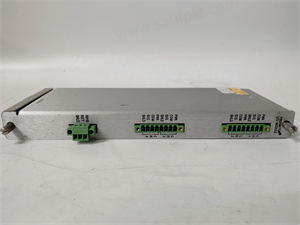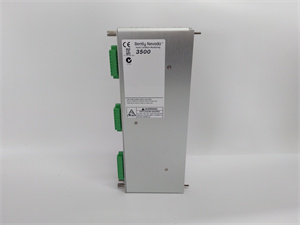
Description
Key Technical Specifications
- Model Number: 6581500053
- Manufacturer: Honeywell Process Solutions
- Input Voltage Range: 85–264VAC (50/60Hz, universal input)
- Output Voltage: 24VDC regulated (±2% tolerance at full load)
- Output Current Rating: 5A continuous (120W total power output)
- Efficiency: ≥85% at full load; ≥80% at 50% load
- Protection Features: Overvoltage protection (28VDC cutoff), overcurrent protection, short-circuit protection (auto-recovery), thermal shutdown
- Status Indicators: Front-panel LED (green = normal operation; off = no input power/fault)
- Mounting Type: DIN rail (35mm standard)
- Operating Temperature: -20°C to +60°C (-4°F to +140°F)
- Storage Temperature: -40°C to +85°C (-40°F to +185°F)
- Enclosure Rating: IP20 (protects against finger contact with live parts)
- Certifications: UL 508, CSA C22.2 No. 142, CE compliant
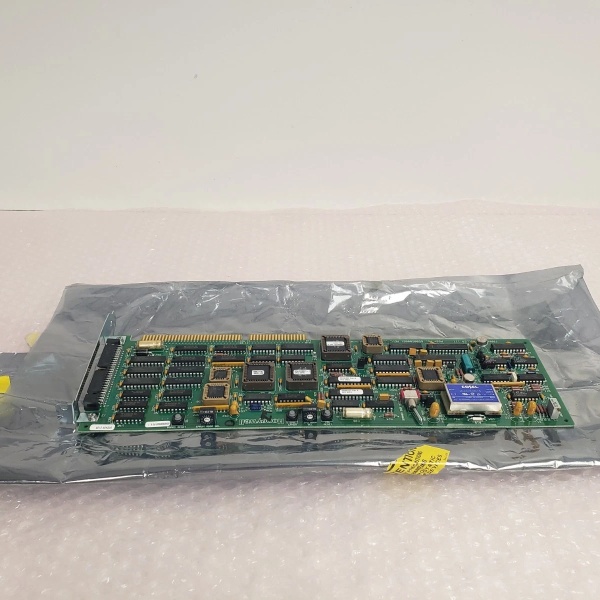
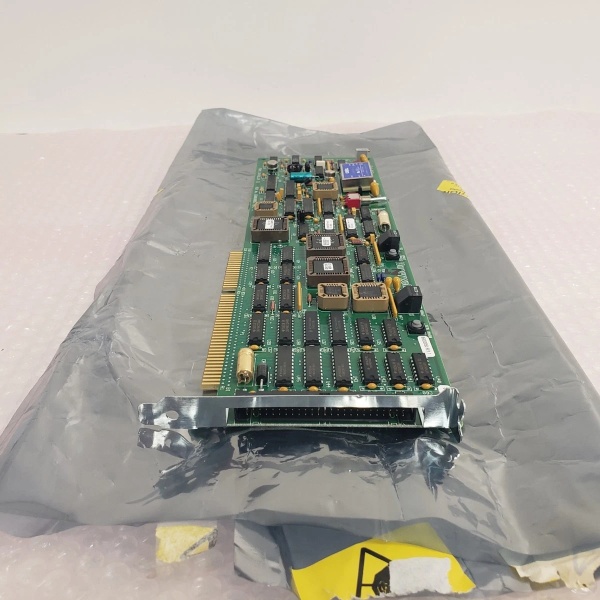
Honeywell 6581500053
Field Application & Problem Solved
In manufacturing plants, packaging lines, and small-scale process control systems, the biggest pain point with power supplies is compatibility and reliability. Older linear power supplies are bulky, inefficient, and lack robust protection— they burn out easily when exposed to voltage surges or short circuits, taking down entire sensor networks. The 6581500053 solves this with a compact switching design, universal AC input, and built-in protection features that make it ideal for powering low-current field devices.
You’ll typically find this module mounted on DIN rails in control cabinets, powering proximity sensors, photoelectric switches, small digital I/O modules, and solenoid valves. It’s a go-to choice for retrofits and small greenfield projects because it fits into tight cabinet spaces and works with any plant power grid (85–264VAC), eliminating the need for voltage transformers. Its core value is efficiency paired with durability: the 85%+ efficiency rating cuts down on energy costs and heat generation, while the auto-recovery short-circuit protection means it resets itself after a fault— no manual intervention required. I’ve seen this module survive a 30-minute short circuit caused by a frayed solenoid wire, a failure that would have fried a linear power supply permanently.
Another hidden value is its thermal tolerance. In unheated outdoor cabinets or cabinets packed with other modules, temperature swings can cause power supplies to shut down. The 6581500053’s -20°C to +60°C operating range ensures stable output even in extreme conditions, reducing unplanned downtime in harsh environments like food processing plants (cold storage areas) and metal fabrication shops (high-heat zones).
Installation & Maintenance Pitfalls (Expert Tips)
Don’t Overload the Output— Calculate Loads First: Rookies often daisy-chain 10+ sensors to this module, assuming 5A is enough for everything. Wrong— you need to account for inrush current from solenoid valves and startup spikes from sensors. As a rule of thumb, never load the module beyond 80% of its 5A rating (4A max continuous). For example, a 24VDC solenoid with 1A steady current may draw 3A on startup— stacking three of these will trigger overcurrent protection. Use a load calculator to verify total current draw before wiring; add a second module if needed. I’ve fixed a dozen “mysterious” shutdowns caused by overloading.
DIN Rail Mounting Requires Proper Securing: This module snaps onto a 35mm DIN rail, but rookies often fail to lock the mounting clip properly. A loose mount causes vibration-related connection faults— the module’s input/output terminals will wiggle loose over time, leading to intermittent power loss to field devices. After snapping the module onto the rail, push the locking clip until it clicks into place, then tug gently to confirm it’s secure. In high-vibration environments (e.g., near motors or pumps), add a DIN rail retainer clip to prevent the module from sliding off the rail.
Input Wiring Must Include Proper Grounding: The module’s universal AC input works with 1-phase power, but ignoring the ground terminal is a fatal mistake. Without a proper earth ground, voltage surges from lightning or plant power grids will damage the module’s internal switching components. Always connect the green/yellow ground wire to a clean earth ground (not the cabinet frame) and use a ground fault circuit interrupter (GFCI) in wet environments (e.g., washdown areas in food plants). I’ve replaced three modules in a coastal plant that failed due to ungrounded installations during thunderstorms.
LED Status Is Not a “Set It and Forget It” Tool: The green LED only tells you the module is powered on— it doesn’t indicate partial faults like voltage drift. Over time, capacitor degradation can cause the output voltage to drop to 22VDC or rise to 26VDC, which will damage sensors and actuators. Every six months, use a multimeter to check the output voltage under load— if it’s outside the ±2% tolerance range, replace the module immediately. Don’t wait for the LED to go out; by then, it’s too late to save field devices.
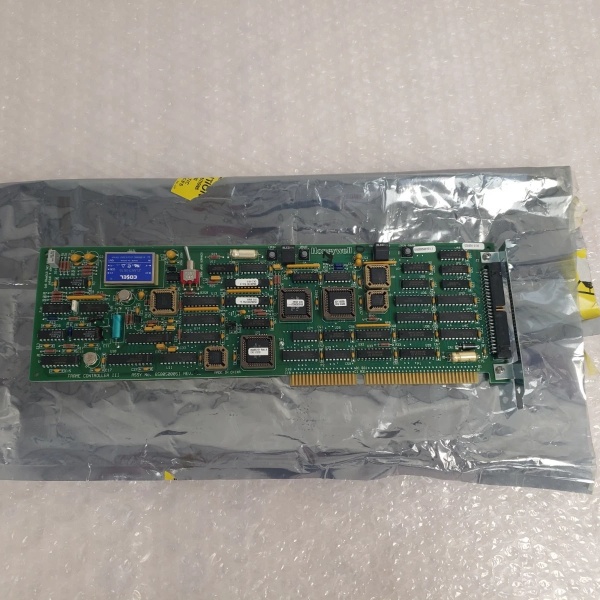
Honeywell 6581500053
Technical Deep Dive & Overview
The Honeywell 6581500053 is a compact switching power supply designed for industrial automation applications, optimized for efficiency and reliability in harsh environments. At its core, it uses a pulse-width modulation (PWM) switching circuit to convert 85–264VAC input to regulated 24VDC output— a design that’s far more efficient than linear power supplies, which waste energy as heat. The PWM circuit adjusts the duty cycle of the switching signal to maintain a stable 24VDC output, even when input voltage fluctuates or load current changes.
The module’s protection features are hardwired into its circuitry: overvoltage protection kicks in at 28VDC to prevent damage to downstream devices, overcurrent protection limits output current to 5.5A, and short-circuit protection shuts down the output instantly (with auto-recovery once the short is cleared). The thermal shutdown feature activates if the module’s internal temperature exceeds +70°C, preventing permanent damage from overheating.
Unlike bulky linear power supplies, the 6581500053 has a compact footprint that fits on standard 35mm DIN rails, saving valuable cabinet space. Its IP20 enclosure protects against accidental finger contact but is not waterproof— it must be installed in a sealed control cabinet in wet environments. The front-panel LED provides basic status feedback, but for critical applications, it should be paired with a voltage monitor to detect drift before it causes field device failures.
In the field, this module’s strength is its simplicity and ruggedness. It has no user-programmable settings, so there’s no risk of misconfiguration, and its solid-state design has no moving parts to wear out. With proper installation (correct loading, grounding, and mounting), it runs for 7–10 years without unplanned failures. For maintenance teams, it’s a no-fuss power supply that does exactly what it’s supposed to do: provide stable 24VDC power to field devices, day in and day out.