Description
Key Technical Specifications
- Model Number: 51309540-175
- Manufacturer: Honeywell Process Solutions
- Input Channels: 16 independent, isolated 24VDC digital inputs
- Input Voltage Range: 18–32VDC (operational)
- Input Current: 2mA nominal per channel at 24VDC
- Isolation Rating: 2500V AC channel-to-backplane; 500V AC channel-to-channel (1-minute dielectric test)
- Status Indicators: Per-channel green LED (illuminates on active input signal)
- Power Supply: Dual redundant 24VDC inputs (18–32VDC operating range), 0.2A max total current draw
- Hot-Swap Capability: Yes (auto-recognized by Experion PKS C300 controller)
- Operating Temperature: -20°C to +60°C (-4°F to +140°F)
- Storage Temperature: -40°C to +85°C (-40°F to +185°F)
- Mounting Type: Rack-mounted (fits Experion PKS C-Series I/O chassis)
- Diagnostic Capabilities: Per-channel open-circuit detection, backplane communication fault monitoring, power supply fault alerts
- Certifications: UL 508, CSA C22.2 No. 142, CE, ATEX Zone 2 compliant
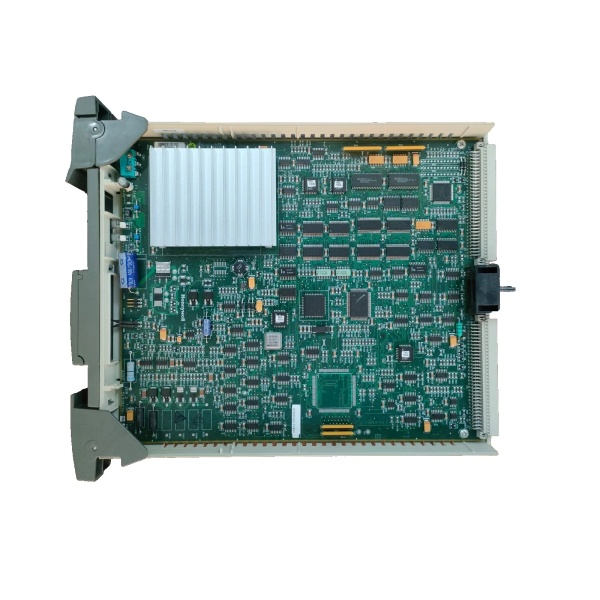
Honeywell 51309540-175
Field Application & Problem Solved
In refineries, chemical plants, and LNG terminals running Experion PKS systems, the biggest pain point with digital input modules is balancing density and isolation. Legacy 8-channel DI modules waste rack space, while non-isolated high-density modules are prone to cross-channel interference from nearby VFDs or motors— this leads to false input signals that trigger costly process upsets. The 51309540-175 solves this with 16 isolated channels in a single module slot, maximizing rack utilization without sacrificing signal integrity.
You’ll typically find this module in critical process loops: monitoring limit switch positions on reactor feed valves, tracking motor run-status in pump skids, and sensing pressure switch trips in boiler control systems. It’s a staple in both greenfield projects and retrofits because it drops into existing C-Series I/O racks without rewiring or controller reconfiguration. Its core value is isolation paired with density: the 2500V AC channel-to-backplane isolation protects the controller from high-voltage surges in the field, while the 16-channel design cuts the number of modules needed per rack by 50%. I’ve seen a refinery reduce I/O rack footprint by 30% during a turnaround by switching from 8-channel to this 16-channel module— a game-changer for crowded control cabinets.
Another hidden value is its diagnostic transparency. The per-channel open-circuit detection lets technicians distinguish between a tripped field switch and a broken wire in seconds, eliminating hours of manual troubleshooting. For maintenance teams, this means fewer unplanned shutdowns and more time spent on proactive tasks instead of chasing false alarms.
Installation & Maintenance Pitfalls (Expert Tips)
Input Polarity Doesn’t Matter— But Voltage Does: Rookies waste time checking polarity for 24VDC inputs, but this module’s inputs are polarity-insensitive. What does matter is ensuring the field signal stays within the 18–32VDC range— feeding it 48VDC will burn out the internal optocouplers, and the damage won’t show up immediately. Always verify the field device’s output voltage with a multimeter before wiring, even if the schematic says 24VDC. I’ve fixed three fried modules in a month because a tech connected a 48VDC sensor by mistake.
LED Indicators Are Your First Diagnostic Step: The green per-channel LEDs aren’t just for show— they confirm a signal is reaching the module, independent of controller communication. If the LED is on but the HMI says the input is inactive, the problem is in the backplane or controller configuration. If the LED is off but the field device is tripped, the issue is in the wiring or the device itself. Too many techs skip checking the LEDs and waste hours troubleshooting the controller when the problem is a loose terminal block. Make this a first-step check in your diagnostic process.
Hot-Swap Requires Loop Configuration First: The module is hot-swappable, but only if you set the associated DI loops to “hold last state” in Experion PKS Configuration Studio before replacement. Yanking an unconfigured module will trigger a rack communication fault and may cause the controller to fault associated safety loops. Before swapping, tag the loops as hold last state, remove the module, install the new unit, and reset the loops. This 5-minute step prevents costly process upsets— don’t skip it.
Terminal Torque Is Critical in Corrosive Environments: The module uses screw-clamp terminals that require a torque of 0.4 N·m to hold wires securely. In coastal refineries or chemical plants with corrosive air, under-tightening terminals leads to corrosion and intermittent signal loss; over-tightening strips the threads. Use a torque screwdriver, not a regular screwdriver, to set the correct torque. After tightening, apply a thin layer of anti-corrosion grease to the terminals— this prevents rust buildup that causes intermittent faults over time.
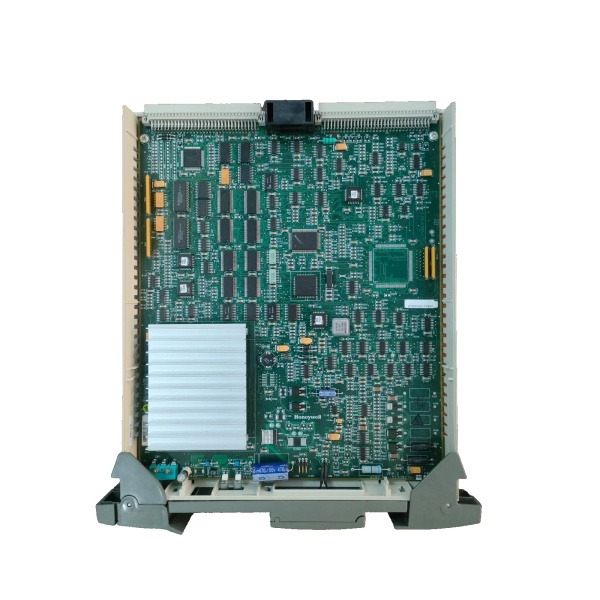
Honeywell 51309540-175
Technical Deep Dive & Overview
The Honeywell 51309540-175 is an intelligent, high-density digital input module designed for Experion PKS C-Series I/O racks, optimized for reliability in harsh industrial environments. At its core, each of the 16 channels uses an optocoupler to isolate the 24VDC field signal from the module’s logic circuit— this is the key to its resistance to EMI and high-voltage surges. When a field signal is applied, the optocoupler triggers a digital signal that’s sent to the C300 controller via the backplane, with zero cross-channel interference.
The module’s dual redundant 24VDC power inputs ensure uninterrupted operation during plant power glitches, switching between primary and secondary supplies in less than 1ms. When hot-swapped, it auto-syncs with the controller and restores input loop parameters from non-volatile memory, eliminating the need for manual reconfiguration. Its on-board diagnostic engine continuously monitors each channel for open circuits and backplane communication faults, sending real-time alerts to the Experion PKS HMI.
Unlike legacy DI modules, the 51309540-175 has no user-programmable settings— it’s a “plug-and-play” device that’s recognized automatically by the controller. This reduces the risk of misconfiguration, a common cause of input faults in industrial systems. The per-channel LEDs are hardwired to the optocoupler circuits, providing real-time status that’s independent of the controller— a lifesaver when the network is down or the controller is faulty.
In the field, this module’s strength is its durability and simplicity. The rugged metal housing resists vibration and corrosion, and the optocouplers are rated for 100,000+ operations. With proper installation, it runs for 8–10 years without unplanned failures. For Experion PKS users, it’s the go-to digital input module for any application where high density and isolation are non-negotiable— a true workhorse that combines space-saving design with industrial-grade reliability.