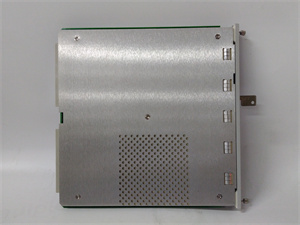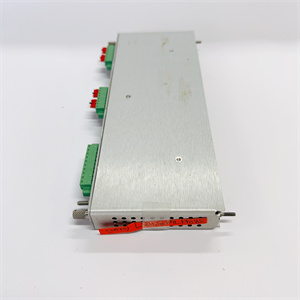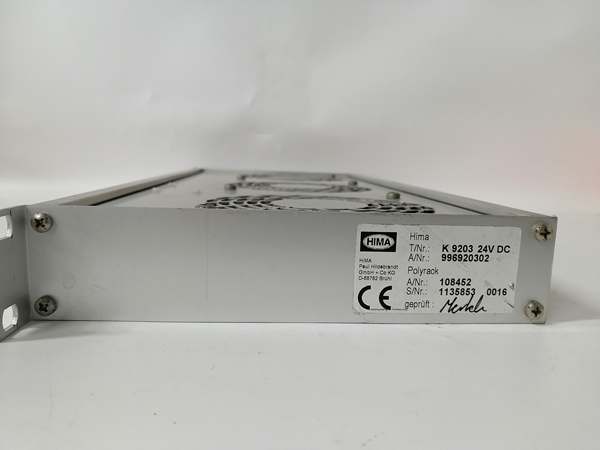
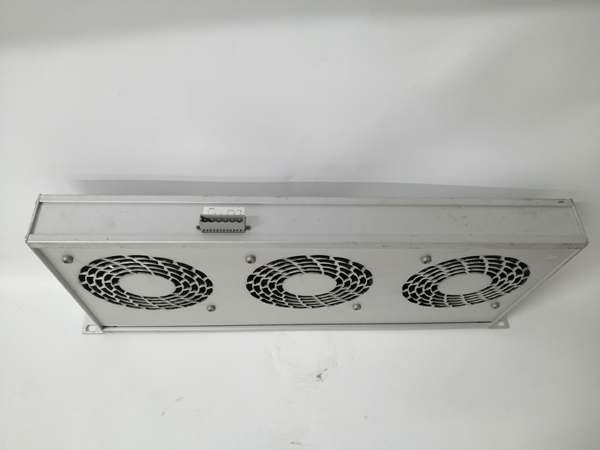
Description
Hard-Numbers: Technical Specifications
- Supply Voltage: 24 VDC (-15% to +20%, range: 20.4V-28.8V)
- Current Draw: Max 750 mA at 24 VDC
- Airflow Rating: 300 m³/h (~176 CFM)
- Fan Speed: 2800 RPM (rated)
- Sound Pressure: ~55 dB(A) at 1 meter
- Operating Temp: -20°C to +70°C
- Storage Temp: -55°C to +85°C
- Design Life: 62,500 hours at 40°C ambient
- Fan Configuration: 3 axial fans (parallel)
- Rack Space: 19″ standard, 1U height, 215mm depth
- Housing Material: Anodized aluminum
- Weight: 1.8 kg
- Protection Rating: IP20 (cabinet interior use only)
- Fault Relay Rating: 1A max for connected alarm devices
- Ripple Content: ≤15% on supply voltage
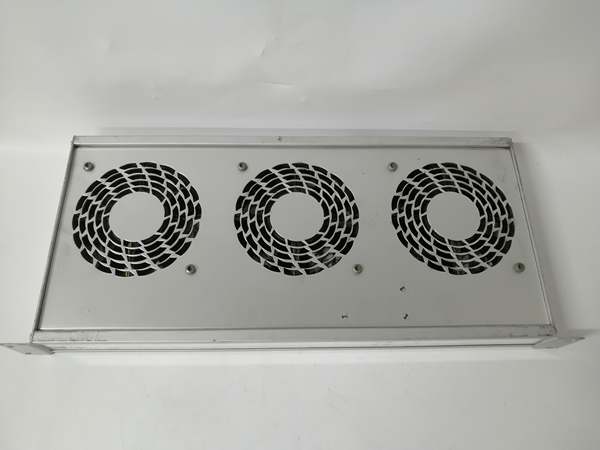
HIMA K9203
The Real-World Problem It Solves
Safety control cabinets generate serious heat from CPU modules, I/O cards, and power supplies. In refineries, offshore platforms, and chemical plants where ambient temps hit 50°C+, passive cooling isn’t enough. Without forced air circulation, thermal throttling kicks in, watchdog timers trip, and your ESD system goes into failsafe—shutting down production lines unnecessarily.
Where you’ll typically find it:
- HIMA HIMatrix/HIMax safety system cabinets in offshore oil/gas platforms
- Refinery ESD (Emergency Shutdown) and F&G (Fire & Gas) control racks
- Chemical plant burner management system (BMS) enclosures
Bottom line: This module keeps your safety system running within thermal limits so production stays online.
Hardware Architecture & Under-the-Hood Logic
The K9203 is a dumb fan unit—no onboard processor or firmware. It’s a pure electromechanical package that moves air when you give it 24V. The monitoring circuit is hardwired logic that watches fan speed and voltage levels, nothing more.
-
Power Distribution: Dual 24VDC inputs (L1+ on pins 1-2, L2+ on pin 3) feed the fan assembly and monitoring board. You can run redundant supplies here for availability.
-
Fan Assembly: Three axial fans run in parallel. If one fails or locks up, the others keep pushing air. Speed is sensed via Hall effect signals back to the monitoring circuit.
-
Monitoring Circuit: This board compares actual fan speed against a 75-85% threshold. It also watches for overvoltage (>28.8V) or undervoltage (<20.4V). Pure analog logic—no programming required.
-
Fault Relay: The monitoring board drives a dry contact output (pins 4-6) that opens or closes based on fault conditions. Use it to trigger cabinet alarms or feed back to your PLC/DCS.
-
Indication: Two LEDs on the front panel show status. The “24V” LED tells you power is present; the “Fail” LED lights up when voltage is out of spec or fan speed drops below threshold.
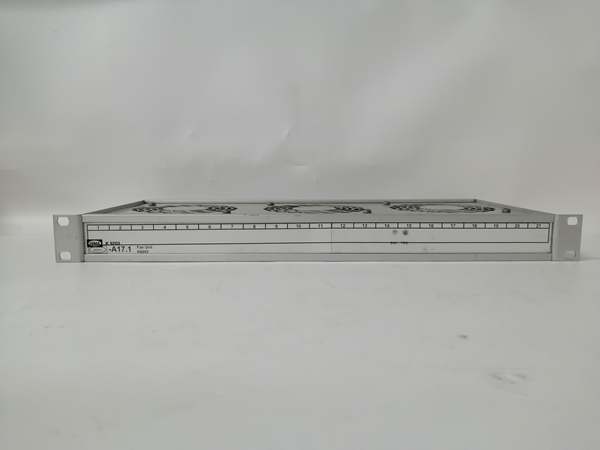
HIMA K9203
Field Service Pitfalls: What Rookies Get Wrong
Redundant Power Miswired
Junior techs sometimes jumper L1+ and L2+ together instead of feeding from separate power supplies. Defeats the whole purpose of redundancy. If that single supply drops, you lose cooling.
- Field Rule: Run L1+ from your primary 24VDC supply and L2+ from a redundant source. Keep them isolated until they hit the terminal block.
Wrong Airflow Direction
I’ve seen this module installed backward—air blowing down into the cabinet instead of exhausting upward. Hot air accumulates at the top of the cabinet, so you need upward flow to work with thermodynamics.
- Quick Fix: Check the arrow on the fan housing label. Air should pull from the cabinet front/bottom and exhaust out the top. If it’s backward, flip the whole 1U module.
Ignoring the Fault Relay
Some guys just power up the fans and walk away. They don’t wire the fault relay to any alarm system. Two years later, a fan dies silently, the cabinet temp creeps up, and the safety system shuts down the plant.
- Field Rule: Wire the fault contact (pins 4-6) to your DCS/PLC digital input or a local alarm stack. Set up a maintenance alarm so you know when a fan is failing before it becomes a shutdown event.
Wrong Wire Gauge on Terminals
Spring terminals look forgiving, but they have limits. I’ve seen 4mm² cable stuffed into a 2.5mm² max terminal—loose connection, voltage drop, intermittent faults.
- Field Rule: Stick to 0.08-2.5mm² solid or 0.25-2.5mm² stranded (with ferrules). Use a 3.5mm flathead screwdriver for proper actuation. Don’t force oversized wire.
No Preventive Replacement Schedule
Fans have a finite MTBF—62,500 hours at 40°C. In hot environments, that number drops fast. Run them until they fail and you’re gambling with your safety system uptime.
- Field Rule: Track installation hours in your CMMS. Replace the entire fan module at 50,000 hours or sooner if you’re running ambient temps above 50°C.
Please note: The listed price is for reference only and is not binding. Final pricing and terms are subject to negotiation based on current market conditions and availability.