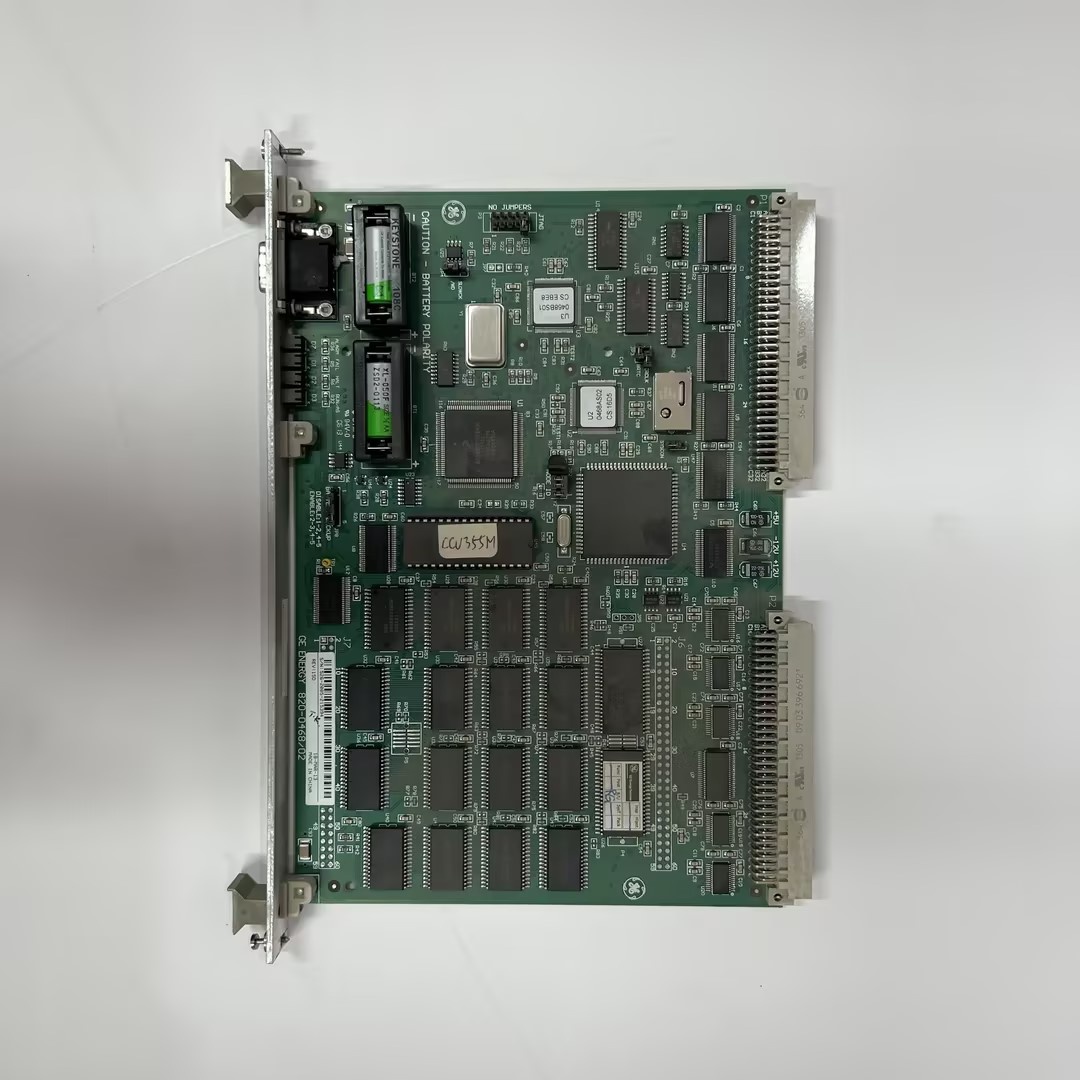
Description
Hard Numbers: Technical Specifications
- Processor: High-Performance 32-bit Microprocessor (Enhanced architecture over standard D20M)
- Memory: 1 MB SRAM, 1 MB Flash/EPROM (Typical for firmware and data buffering)
- Serial Ports: 8 Independent Asynchronous Serial Ports
- Serial Signal: EIA-232-D / EIA-422-A / EIA-485 (Software Selectable per port)
- Data Rates: 110 bps to 115,200 bps (Supports higher speeds than the standard D20M)
- Isolation Rating: 1500 V AC Optically Isolated (Serial Lines to Backplane Logic)
- Watchdog Timer: Hardware Watchdog with configurable timeout + Software Heartbeat monitoring
- Power Draw: +5V DC @ 350mA (Typical), +24V DC @ 25mA (Typical)
- Operating Temperature: -40°C to +70°C (-40°F to +158°F)
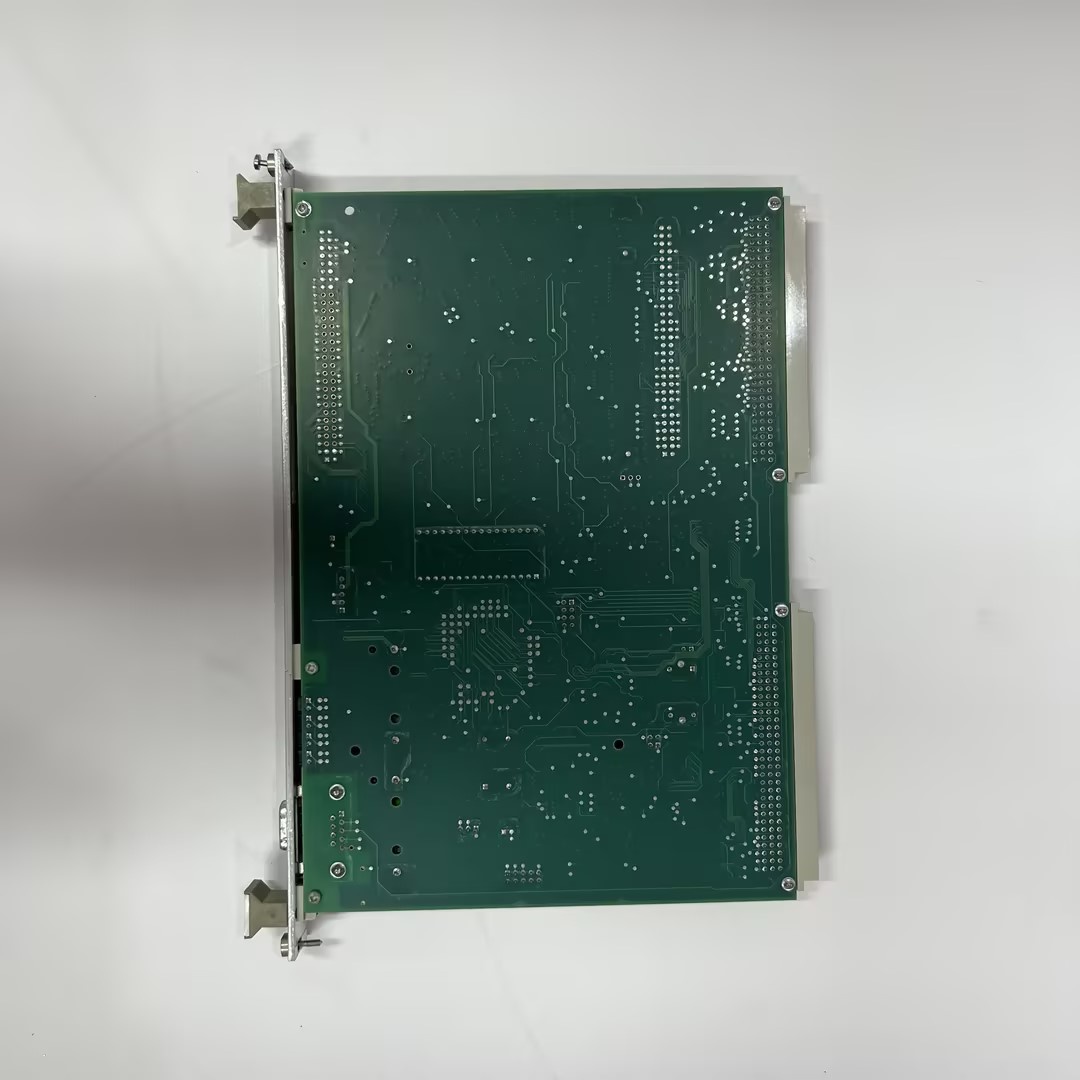
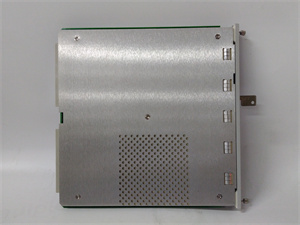
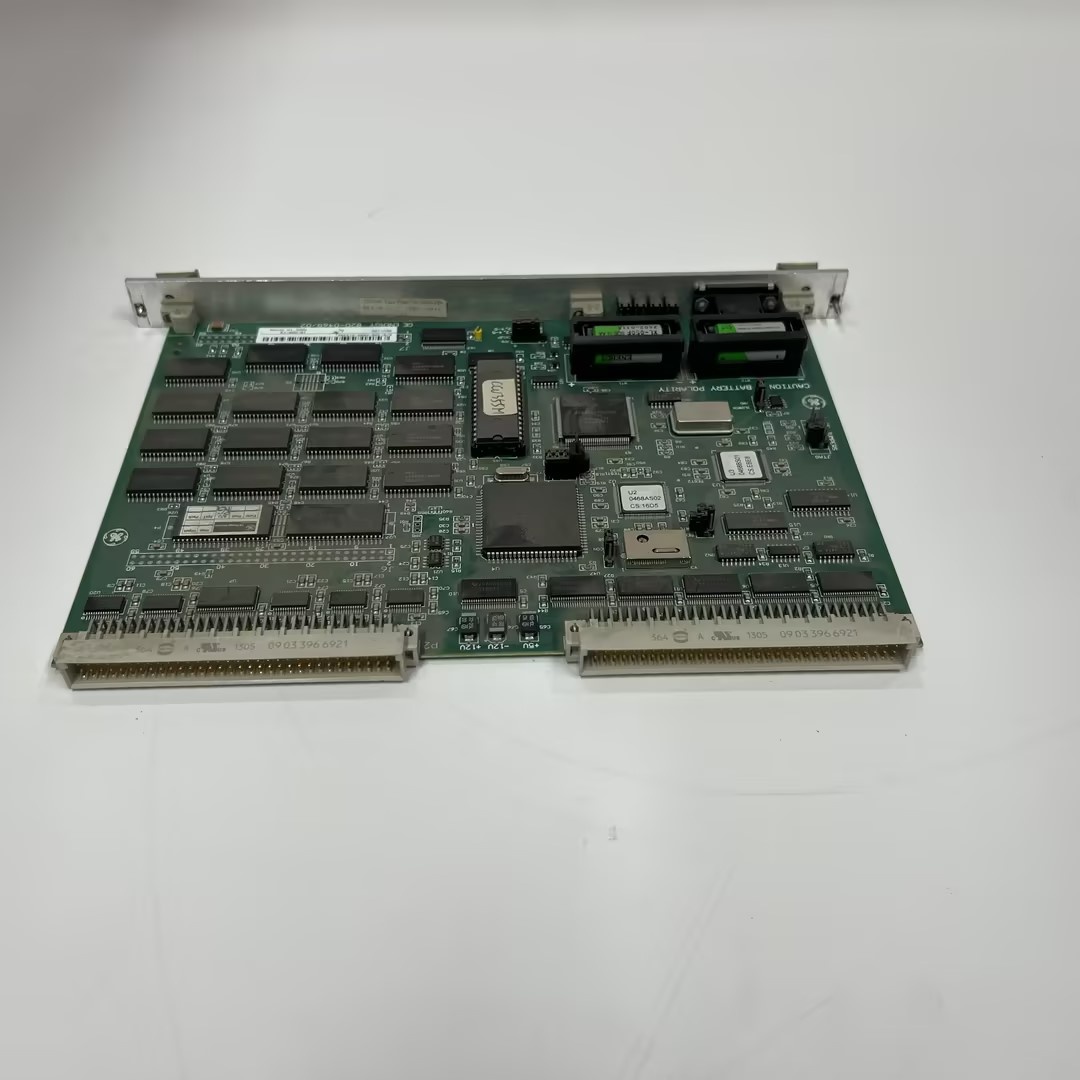
GE WESDAC D20ME
The Real-World Problem It Solves
The standard D20M hits a wall when you start linking dozens of IEDs or pushing high-speed peer-to-peer data across the backplane. The is the heavy hitter you call in when the serial traffic gets ugly. It prevents communication bottlenecks by handling faster data rates and larger memory buffers, ensuring your SCADA system doesn’t lag or time out during critical protection events.
Where you’ll typically find it:
- In D20/D200 RTUs at bulk transmission substations with 50+ protective relays on a single RS-485 network.
- Inside power plant control cabinets requiring high-speed data mirroring between redundant RTUs.
- At large industrial complexes where legacy 10Mbps networks are being pushed to their absolute limits by modern IED polling demands.
It eliminates the need for external protocol concentrators and keeps your main RTU processor from choking on serial overhead.
Hardware Architecture & Under-the-Hood Logic
Think of the as a dedicated communications server on a single board. It integrates a more powerful 32-bit processor and expanded memory map to handle the intense overhead of modern substation protocols (like IEC 61850 MMS, DNP3, and high-speed Modbus).
- Interrupt Handling: The enhanced processor features a sophisticated interrupt controller. It can prioritize incoming serial data, ensuring time-critical protection messages from a relay aren’t queued behind routine meter readings.
- DMA Transfers: Utilizing Direct Memory Access (DMA) channels, the module moves large blocks of protocol data directly to its local SRAM without tying up the main CPU.
- Protocol Stack Execution: The local processor executes the complex protocol stacks, handling sequence numbers, ACK/NAK retries, and CRC validation entirely in hardware/embedded firmware.
- Backplane Burst Mode: Once data is parsed and packaged, the uses a high-speed burst mode to transfer the clean data across the D20 backplane to the host CPU, minimizing bus contention.
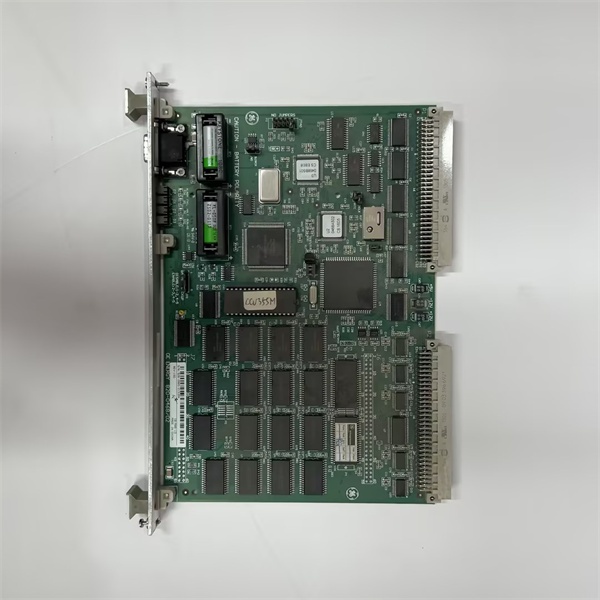
GE WESDAC D20M
Field Service Pitfalls: What Rookies Get Wrong
Ignoring Port Power Budget Limits
Rookies treat the like a passive hub. They daisy-chain six power-hungry RS-485 converters directly to Port 1, drawing auxiliary power from the port pins. This overloads the ME’s localized voltage regulators, causing the port to brown out and drop all communications.
- Field Rule: Check the current draw of your connected devices. If you are powering external converters or repeaters from the port power, ensure the total draw stays under 100mA. Otherwise, use externally powered isolated repeaters.
Assuming Firmware Drop-In Compatibility
A rookie pulls a D20M out of a dead rack and shoves a in its place, expecting it to work because “it’s just a comms card.” The often requires a specific firmware revision to match the host D20’s operating system. A mismatch will result in a backplane fault or the module refusing to initialize.
- Quick Fix: Always verify the firmware version loaded on the using the D20 configuration software (e.g., CIMPLICITY or Proficy Machine Edition). If the module has a red FAULT light solid on, check the firmware compatibility matrix in the GE manual before assuming the hardware is dead.
Poor Shielding on High-Speed RS-485 Runs
At 115.2 kbps, RS-485 is unforgiving. Rookies use cheap, standard twisted pair instead of properly shielded industrial cable (like Belden 9841). Electrical noise from nearby VFDs or breaker operations induces common-mode noise, corrupting packets and causing the to constantly retransmit data.
- Field Rule: Use double-shielded, grounded cabling for any run over 50 feet. Terminate the RS-485 network with 120-ohm resistors at both ends. If you see excessive “Frame Errors” or “Overruns” in the D20 diagnostics, your cable plant is the prime suspect, not the module.
Commercial Availability & Pricing Note
Please note: The listed price is for reference only and is not binding. Final pricing and terms are subject to negotiation based on current market conditions and availability.