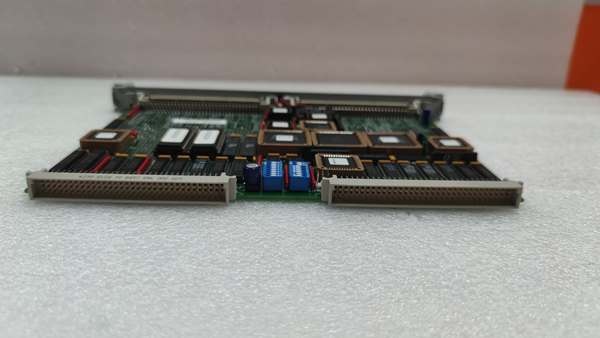
Description
Hard Numbers: Technical Specifications
- Processor: Intel Pentium M, 1.8 GHz
- Memory: 256 MB SDRAM (Onboard, soldered)
- Bus Interface: VMEbus (A32/D32, Master/Slave, SysCon capable)
- Ethernet: 10/100Base-TX RJ-45 Port
- Storage: IDE Flash Disk Interface, Floppy Header
- Serial Ports: 2x RS-232 (DB-9)
- PMC Slots: 1x 64-bit PMC Site (For I/O expansion)
- Watchdog Timer: Yes, Programmable
- Operating Temp: 0°C to +55°C
- Power Draw: +5V @ ~4.8A, +12V @ ~1.0A
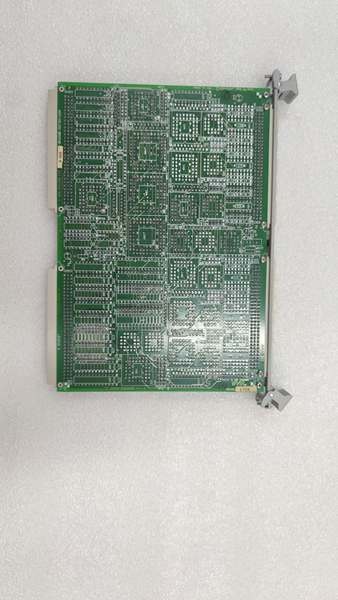
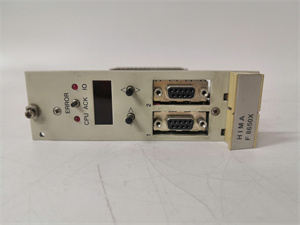
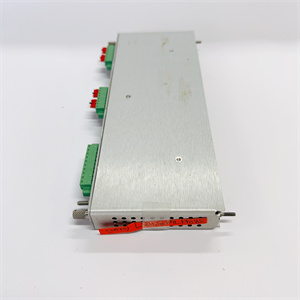
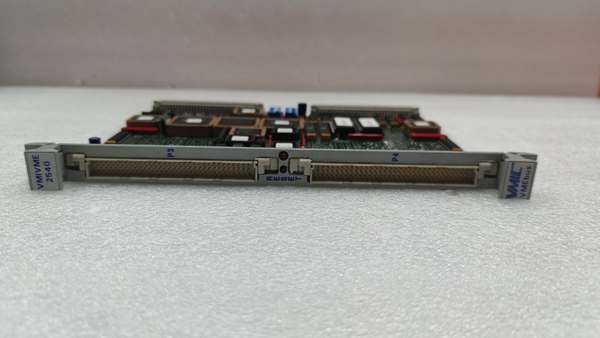
VMIVME-2540-000
The Real-World Problem It Solves
Desktop PCs and commercial servers can’t survive the heat, vibration, and electrical noise inside a gas turbine enclosure. This board provides a ruggedized x86 computing platform that bolts directly into a VME crate. It eliminates the need for fragile PC towers and hard drives in environments where a single crash costs millions.
Where you’ll typically find it:
- As the primary UCSB host controller in GE Mark VIe turbine control systems.
- Inside power generation control rooms, managing HMI and I/O communications.
- In defense applications requiring a high-reliability, fanless Pentium M platform.
It provides the necessary processing power without the mechanical failure points of a spinning hard drive or cooling fan.
Hardware Architecture & Under-the-Hood Logic
This is a full-blown PC integrated onto a 6U VME card. It serves as the VMEbus System Controller, bridging the gap between the PCI bus and the VME backplane. The Pentium M processor is chosen for its low power consumption and high performance in industrial settings.
- System Initialization: The BIOS initializes the 256MB SDRAM and probes the IDE flash disk for the control application.
- Bus Arbitration: The onboard VMEbridge ASIC manages the VMEbus protocol, allowing the CPU to read/write to other VME modules as if they were memory locations.
- I/O Expansion: The PMC site allows direct connection of specialized I/O modules (like serial or fiber cards) without consuming a separate VME slot, keeping the backplane uncluttered.
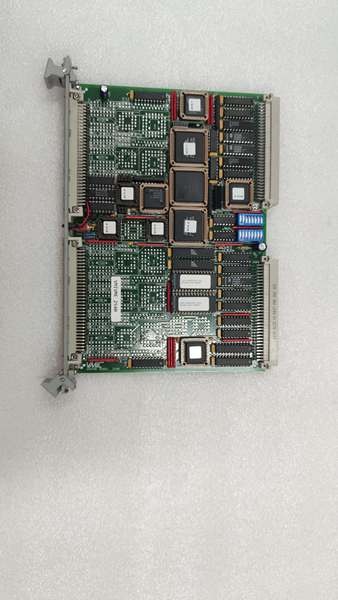
VMIVME-2540-000
Field Service Pitfalls: What Rookies Get Wrong
Flash Disk Corruption from Improper Shutdown
Rookies pull the power or reset the crate without a proper software shutdown. The flash disk file system gets corrupted, leaving the turbine dead in the water.
- Field Rule: Always issue the
shutdown -h nowcommand from the console or use the proper software shutdown procedure. If the disk is corrupted, you’re re-flashing from scratch.
PMC Module Standoff Nightmare
They install a PMC module but leave the standoffs loose or missing. Vibration from the turbine shakes the module, causing PCI bus errors and random system panics.
- Quick Fix: Use the correct 2.5mm standoffs and tighten them to spec. A loose PMC module is a guaranteed intermittent fault that will drive you insane trying to trace.
VMEbus Slot Misplacement
They install the CPU in Slot 2 or 3, wondering why the backplane isn’t being scanned. The VME arbiter lines aren’t connected correctly in non-primary slots.
- Field Rule: The must be in Slot 1 (the leftmost slot). This is the only slot physically wired to act as the System Controller. Move it, or the whole crate is deaf and dumb.
Commercial Availability & Pricing Note
Please note: The listed price is for reference only and is not binding. Final pricing and terms are subject to negotiation based on current market conditions and availability.