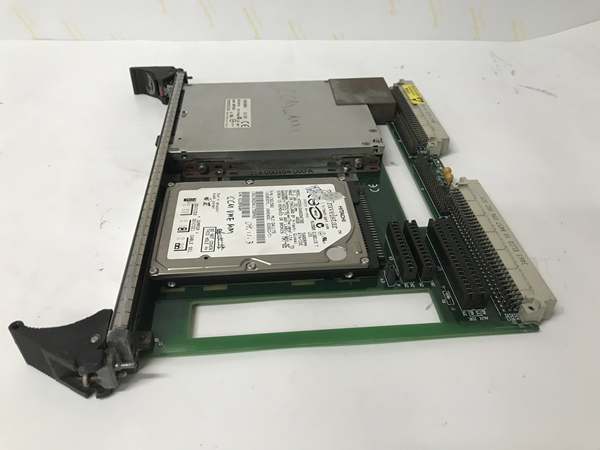
Description
Hard Numbers: Technical Specifications
- Processor: Intel Pentium III, 700 MHz
- Memory: 256 MB SDRAM (Onboard)
- Bus Interface: VMEbus (A32/D32, Master/Slave)
- Ethernet: 10/100Base-TX RJ-45 Port
- Storage: IDE Flash Disk Support, Floppy Interface
- Serial Ports: 2x RS-232 (DB-9)
- PMC Slots: 1x 64-bit PMC Site (For I/O expansion)
- Watchdog Timer: Yes, Programmable
- Operating Temp: 0°C to +55°C
- Power Draw: +5V @ ~4.5A, +12V @ ~0.8A
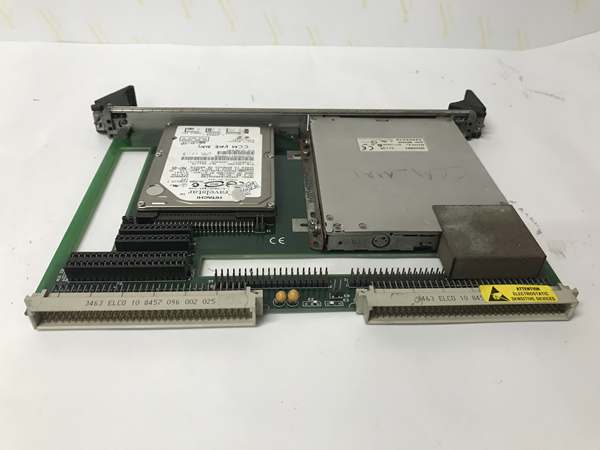
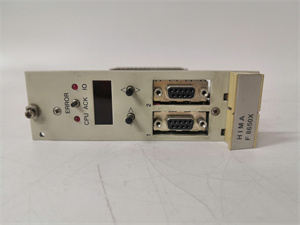
GE VMIVME-7452
The Real-World Problem It Solves
Old turbine control systems can’t run modern x86 software on standard PC motherboards due to shock and vibration. This board provides a ruggedized, conduction-cooled computing platform that bolts directly into a VME crate. It replaces fragile PC towers with a solid-state, fanless unit that survives the deck of a gas turbine.
Where you’ll typically find it:
- In GE Mark VIe turbine control cabinets as the primary UCSB host controller.
- Inside legacy Mark V and Mark VI systems undergoing CPU upgrades.
- In defense applications requiring a rugged Pentium-class processor.
It provides the necessary x86 horsepower without the mechanical failure points of a desktop PC.
Hardware Architecture & Under-the-Hood Logic
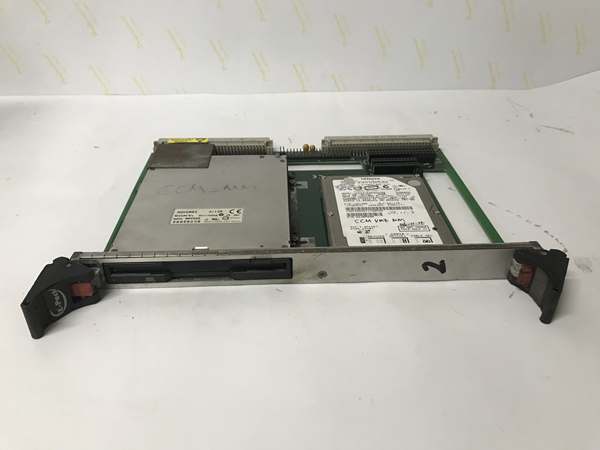
This is a full-blown PC crammed onto a 6U VME card. It acts as the VMEbus system controller and the brains of the operation. The Pentium III processor handles the heavy math for control loops, while the chipset manages the bridge between PCI and VME.
- System Boot: The BIOS initializes the 256MB SDRAM and attempts to boot from the onboard flash disk or IDE device.
- VMEbus Arbitration: The onboard VMEbridge ASIC takes over bus arbitration, allowing the CPU to act as a VME master to talk to I/O boards.
- I/O Expansion: The PMC site allows adding specialized I/O (like extra serial ports or fiber) directly to the CPU board without consuming another VME slot.
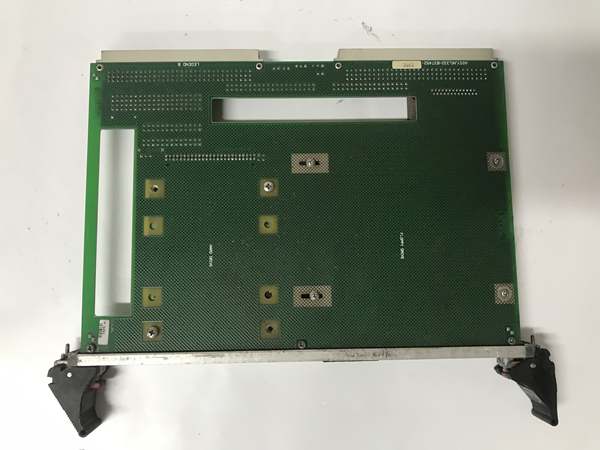
GE VMIVME-7452
Field Service Pitfalls: What Rookies Get Wrong
Flash Disk Wear-Out
Rookies treat the onboard flash disk like a regular hard drive, constantly writing log files and temporary data. The flash wears out in six months, causing a boot failure.
- Field Rule: Mount the flash disk as read-only. Redirect all logging and temp files to a RAM disk. If you must write data, use a compact flash card with wear-leveling.
PMC Module Seating
They install a PMC module but don’t tighten the standoffs properly. Vibration shakes the module loose, leading to intermittent PCI bus errors and system crashes.
- Quick Fix: Use the correct 2.5mm standoffs. Tighten them until snug, then give them a quarter-turn with a torque wrench. If the PMC is loose, the VME crate will never stabilize.
Forgetting the VMEbus Jumpers
The board won’t recognize the backplane because the rookie left the factory-default jumper settings for a different chassis type.
- Field Rule: Check Jumper J1 (System Controller Enable) and J2 (VMEbus Request Level). If this is the only CPU, J1 must be set to Master. If it’s a redundant pair, set the secondary to Slave.
Commercial Availability & Pricing Note
Please note: The listed price is for reference only and is not binding. Final pricing and terms are subject to negotiation based on current market conditions and availability.