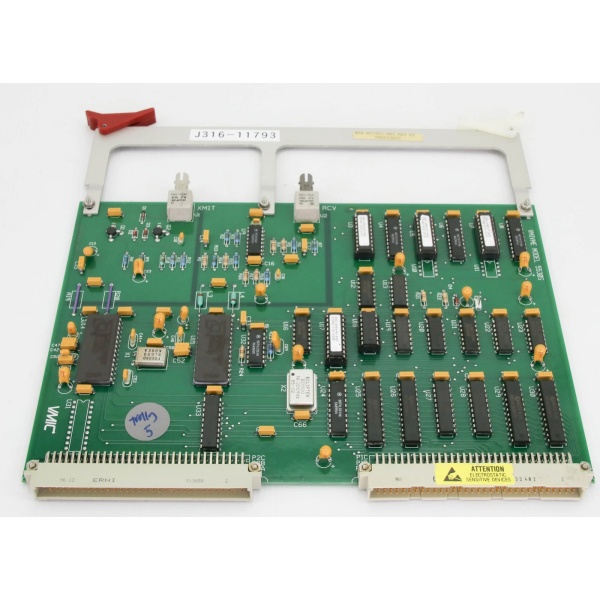
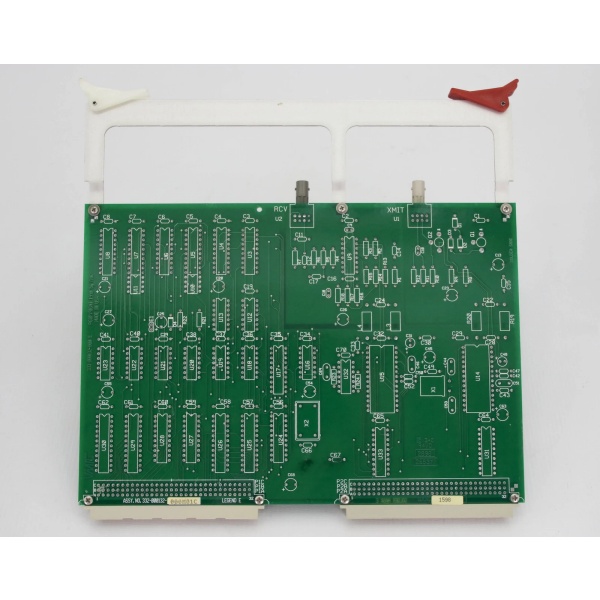
Description
Key Technical Specifications
-
Model Number: VMIVME-5530S
-
Manufacturer: GE (legacy VMIC)
-
Function: Slave half of 5530M/5530S glass-fiber repeater pair
-
Propagation Delay: 400 ns @ 5 ft, +4 ns/ft equivalent fiber length
-
Data Width: 32-bit DMA, D08/D16/D32, A16/A24/A32
-
Fiber Medium: 62.5/125 µm multimode glass; 100 m max span
-
IRQ Pass-Thru: All VME IRQ 1-7 forwarded transparently
-
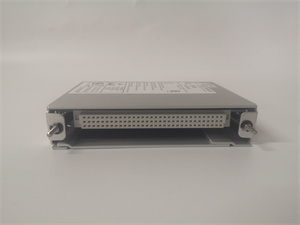
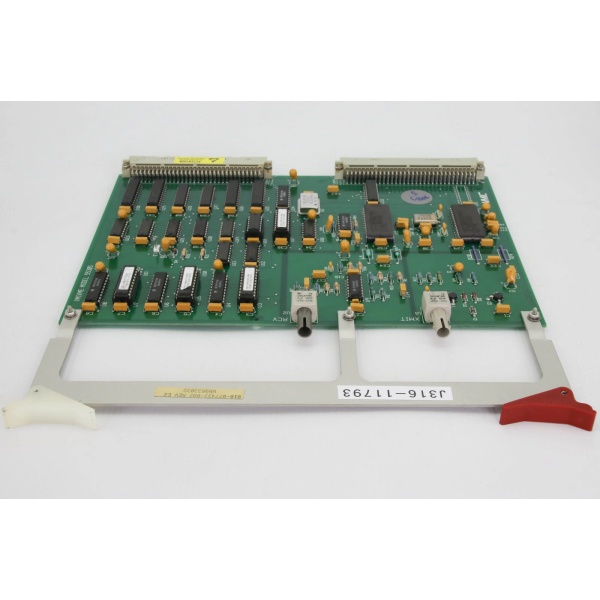
Connectors: SC duplex fiber; 96-pin DIN 41612 front; P2 rear I/O option
-
Power: +5 V @ 1 A typical
-
Form Factor: 6U single-slot VME64 slave
-
Isolation: Galvanic isolation via fiber; immune to ground shifts & EMI

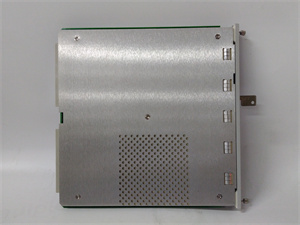
GE VMIVME-5530S
Field Application & Problem Solved
Nuclear balance-of-plant DCS racks live in separate rooms—radiation side vs. safe side. Copper VME extenders pick up ground-loop noise and can’t survive 90 ft through conduit shared with 4 kV feeders. Drop a VMIVME-5530S (slave) in the remote panel and its 5530M master twin in the main rack; the glass-fiber pair regenerates clean VME cycles with zero copper in the path. I’ve used this exact link to tie a turbine governor crate to a 300 ft-away feed-water heater I/O rack: no CRC errors, no retries, even when the 13.8 kV breaker slams shut and ground potential jumps 80 V. Core value: transparent bus extension that behaves like one long backplane—no software drivers, no address remapping, just plug-and-play distance with immunity to lightning and ground shift.
Nuclear balance-of-plant DCS racks live in separate rooms—radiation side vs. safe side. Copper VME extenders pick up ground-loop noise and can’t survive 90 ft through conduit shared with 4 kV feeders. Drop a VMIVME-5530S (slave) in the remote panel and its 5530M master twin in the main rack; the glass-fiber pair regenerates clean VME cycles with zero copper in the path. I’ve used this exact link to tie a turbine governor crate to a 300 ft-away feed-water heater I/O rack: no CRC errors, no retries, even when the 13.8 kV breaker slams shut and ground potential jumps 80 V. Core value: transparent bus extension that behaves like one long backplane—no software drivers, no address remapping, just plug-and-play distance with immunity to lightning and ground shift.
Installation & Maintenance Pitfalls (Expert Tips)
Master/slave order is jumper-fixed
Only the 5530M (master) drives the fiber transmitter first; the 5530S is slave. If you flip the cards the link comes up but arbitration collapses under heavy DMA—random bus errors every few hours. Verify jumpers before you button up.
Only the 5530M (master) drives the fiber transmitter first; the 5530S is slave. If you flip the cards the link comes up but arbitration collapses under heavy DMA—random bus errors every few hours. Verify jumpers before you button up.
Fiber is multimode only
Single-mode patch cords give 6 dB mismatch and the receiver won’t lock. Use 62.5/125 µm SC-SC duplex; keep bend radius >30 mm or you’ll fracture the glass and lose link margin.
Single-mode patch cords give 6 dB mismatch and the receiver won’t lock. Use 62.5/125 µm SC-SC duplex; keep bend radius >30 mm or you’ll fracture the glass and lose link margin.
Termination is automatic—do not add resistors
The 5530S applies on-card electrical termination when it senses end-of-cable. Adding external 120 Ω resistors doubles the load and halves the signal swing—results in intermittent “AC FAIL” traps.
The 5530S applies on-card electrical termination when it senses end-of-cable. Adding external 120 Ω resistors doubles the load and halves the signal swing—results in intermittent “AC FAIL” traps.
IRQ pass-thru is wire-OR
All seven IRQ lines are forwarded; if the remote crate also generates IRQ7 you’ll get collisions. Mask or relocate IRQ sources in the secondary chassis so only one end asserts each level.
All seven IRQ lines are forwarded; if the remote crate also generates IRQ7 you’ll get collisions. Mask or relocate IRQ sources in the secondary chassis so only one end asserts each level.
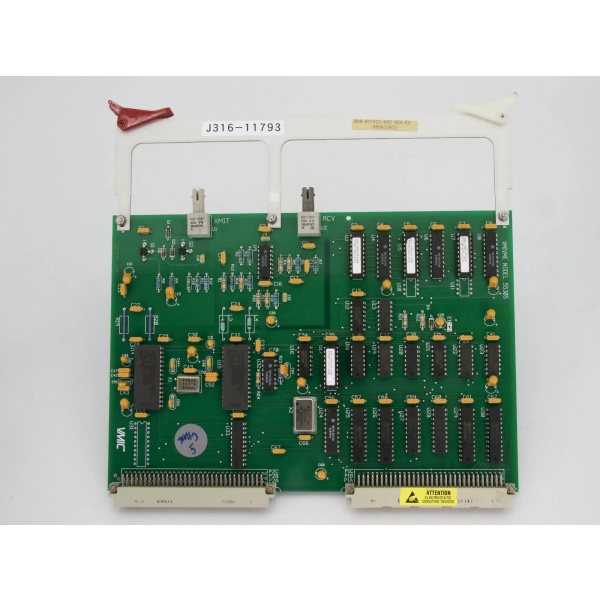
GE VMIVME-5530S
Front-panel LEDs lie after a surge
Green “LINK” stays on even if only one fiber strand is good. After lightning, swap the fiber first—90 % of the time it’s a fractured strand, not a dead opto-chip .
Green “LINK” stays on even if only one fiber strand is good. After lightning, swap the fiber first—90 % of the time it’s a fractured strand, not a dead opto-chip .
Technical Deep Dive & Overview
The 5530S is the slave half of a glass-fiber repeater pair. Inside is nothing more than opto-transceivers and a 22V10 PLD that qualifies VME cycles; no firmware means nothing to corrupt. The SC duplex port regenerates all VME signals—including IACK, DTACK, and RETRY—so remote cards appear at identical addresses and legacy drivers never know the bus is extended. Because the medium is glass, you get galvanic isolation and lightning immunity for the price of two VME slots and a patch cord.
The 5530S is the slave half of a glass-fiber repeater pair. Inside is nothing more than opto-transceivers and a 22V10 PLD that qualifies VME cycles; no firmware means nothing to corrupt. The SC duplex port regenerates all VME signals—including IACK, DTACK, and RETRY—so remote cards appear at identical addresses and legacy drivers never know the bus is extended. Because the medium is glass, you get galvanic isolation and lightning immunity for the price of two VME slots and a patch cord.