Description
Key Technical Specifications
-
Model Number: VMIVME-3801-100C
-
Manufacturer: GE Fanuc / VMIC (General Electric)
-
Resolution: 16-bit (12-bit core noted in older docs)
-
Channels: 32 single-ended or 16 differential front-panel inputs
-
Input Ranges: ±50 mV to ±10 V voltage; 0-25 mA current
-
Sample Rate: 40 kHz aggregate autoscan
-
Isolation: 1.5 kV channel-to-bus
-
Filters: 50 kHz low-pass; optional 40 Hz front-panel plug-in
-
Interface: VME64x P2 connector; auto-scan stores data in dual-port RAM
-
Built-in-Test: Front-panel FAIL LED, real-time BIT status register
-
Power: +5 V from VME back-plane; ~3 W typical
-
Operating Temperature: 0 °C to +60 °C (no fan)
-
Form Factor: 6U single-slot VME64x
-
Status: Factory discontinued – new & tested spares available

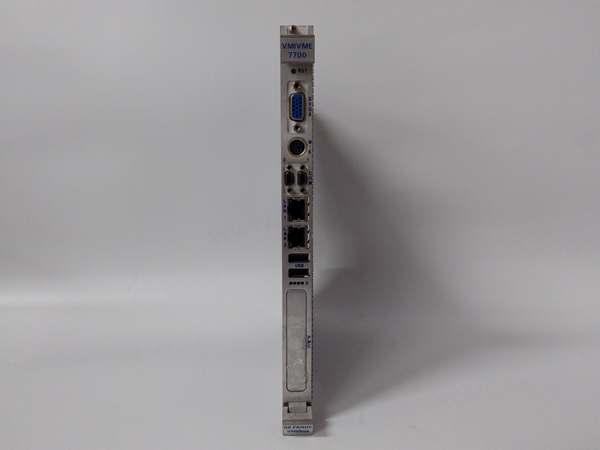
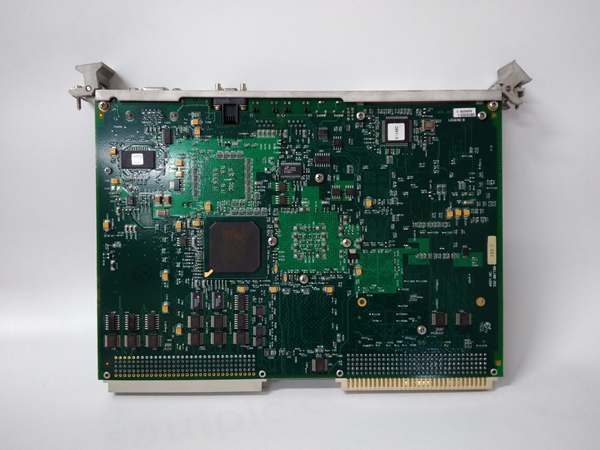
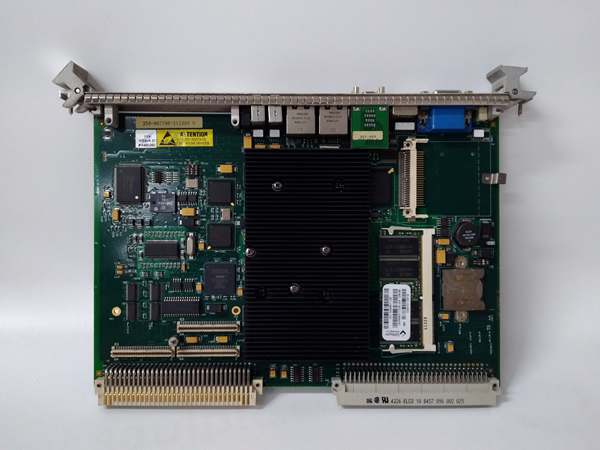
GE VMIVME-7700RC
Field Application & Problem Solved
In the field the biggest headache is landing dozens of analog signals—LVDTs, pressure transmitters, thermocouples—without missing a single sample during a turbine transient. The board solves that by living in the VME crate: it auto-scans all 32 channels at 40 kHz, dumps the data into dual-port RAM, and interrupts the CPU when the buffer is full. You’ll typically find one per 6U crate on EX2100 retrofits or test-cell VME racks where you need ±0.1 % accuracy on 690 V bus voltage and 4-20 mA servo pressure in the same acquisition frame. Core value: it collapses 32 isolated ADCs, anti-alias filters, and BIT logic into one card you can swap while the unit is on turning gear
In the field the biggest headache is landing dozens of analog signals—LVDTs, pressure transmitters, thermocouples—without missing a single sample during a turbine transient. The board solves that by living in the VME crate: it auto-scans all 32 channels at 40 kHz, dumps the data into dual-port RAM, and interrupts the CPU when the buffer is full. You’ll typically find one per 6U crate on EX2100 retrofits or test-cell VME racks where you need ±0.1 % accuracy on 690 V bus voltage and 4-20 mA servo pressure in the same acquisition frame. Core value: it collapses 32 isolated ADCs, anti-alias filters, and BIT logic into one card you can swap while the unit is on turning gear
.
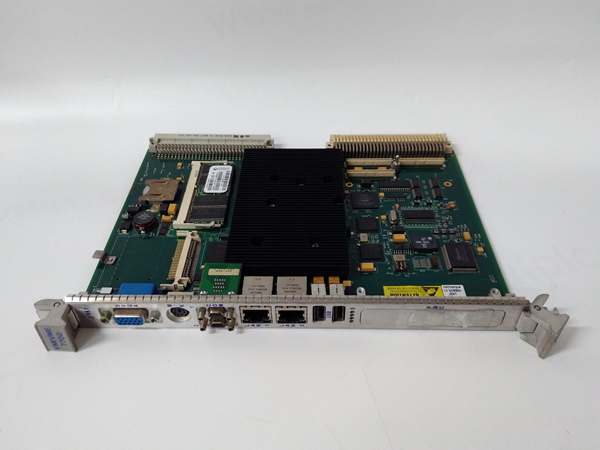
GE VMIVME-7700RC
Installation & Maintenance Pitfalls (Expert Tips)
Input Range Jumpers Set at Factory – Don’t Guess
The P2 plug-in filter card sets the range; if you install the 40 Hz filter on a ±50 mV thermocouple channel you’ll alias the signal and chase phantom temperature spikes. Verify the plug-in card part number against the loop sheet before you close the cabinet.
The P2 plug-in filter card sets the range; if you install the 40 Hz filter on a ±50 mV thermocouple channel you’ll alias the signal and chase phantom temperature spikes. Verify the plug-in card part number against the loop sheet before you close the cabinet.
P2 Connector Works Loose with Vibration
The 160-pin VME P2 connector is held by two screws; if you forget to tighten them the card creeps out and you’ll lose half the channels on the next start-up. Torque screws to 0.4 Nm and tug-test the rear panel.
The 160-pin VME P2 connector is held by two screws; if you forget to tighten them the card creeps out and you’ll lose half the channels on the next start-up. Torque screws to 0.4 Nm and tug-test the rear panel.
Isolation Is Only 1.5 kV – Land High-Voltage on External Divider
The board will survive 1.5 kV but the front-end resistors are rated for ±10 V. If you land 690 V bus voltage on the screw terminal you’ll blow the input network. Use the external VMIC divider card or you’ll discover the weakness during the next full-speed block-load test.
The board will survive 1.5 kV but the front-end resistors are rated for ±10 V. If you land 690 V bus voltage on the screw terminal you’ll blow the input network. Use the external VMIC divider card or you’ll discover the weakness during the next full-speed block-load test.
No Fan Means Keep the Crate Clean
The card is rated 0-60 °C with no fan. If your VME crate ingests paper-mill dust the heat-sink fins clog and the ADC starts dropping LSBs. Blow the crate out every outage or you’ll chase ±5 °C drift that isn’t there.
The card is rated 0-60 °C with no fan. If your VME crate ingests paper-mill dust the heat-sink fins clog and the ADC starts dropping LSBs. Blow the crate out every outage or you’ll chase ±5 °C drift that isn’t there.
Technical Deep Dive & Overview
Internally the card is a 16-bit SAR ADC bolted to a 32-channel multiplexer and a dual-port FIFO. The FPGA handles autoscan timing; the VME master reads 32 samples in one 64-bit cycle. Lose the 5 V rail and the card goes dark, the FIFO empties, and the CPU throws “ADC TIMEOUT” within 50 ms. Swap takes two minutes: pull the old card, slide the new one in until the ejectors latch, and the crate sees all channels again—no software reload required
Internally the card is a 16-bit SAR ADC bolted to a 32-channel multiplexer and a dual-port FIFO. The FPGA handles autoscan timing; the VME master reads 32 samples in one 64-bit cycle. Lose the 5 V rail and the card goes dark, the FIFO empties, and the CPU throws “ADC TIMEOUT” within 50 ms. Swap takes two minutes: pull the old card, slide the new one in until the ejectors latch, and the crate sees all channels again—no software reload required
.