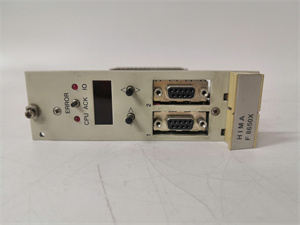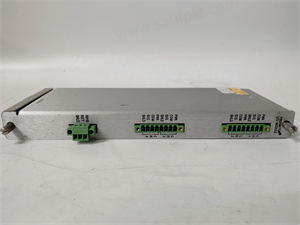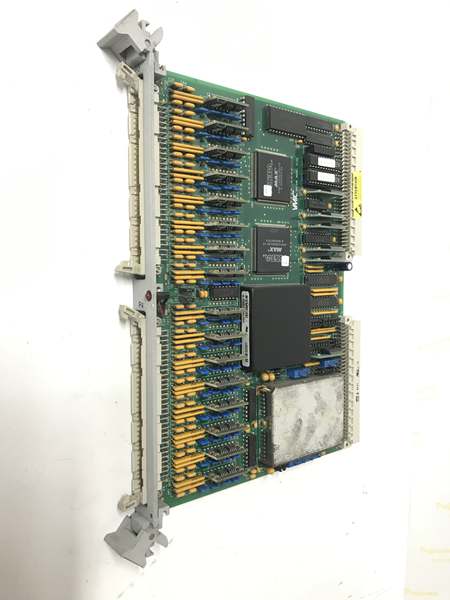
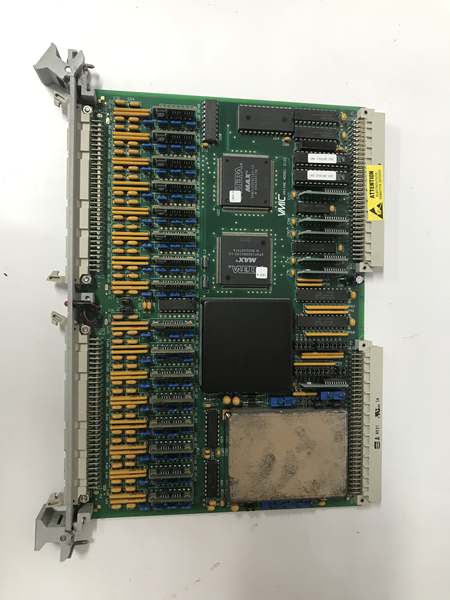
Description
Hard-Numbers: Technical Specifications
- Resolution: 16-bit bipolar ADC (±32768 counts)
- Channel Count: 64 configurable differential or single-ended inputs
- Input Voltage Range: ±250mV to ±10V (jumper/software selectable; unipolar 0–5V/0–10V)
- Max Sampling Rate: 100kHz (10μs conversion/channel; 50kHz standard on base 3122)
- Programmable Gain: Software-selectable ×1 or ×10 per channel
- Input Impedance: 10MΩ (differential), 5MΩ (single-ended)
- Onboard Memory: 1024-word dual-port RAM (scan data buffer)
- VME Interface: VMEbus Rev C.1, A16/A24, D08/D16/D32 slave
- Operating Temperature: 0°C to +55°C (standard; -40°C to +85°C extended available)
- Power Draw: 3.2A @ 5VDC, 16W nominal
- Diagnostics: BIT (built-in test), overvoltage protection, 4-pole low-pass filters (10Hz–10kHz)
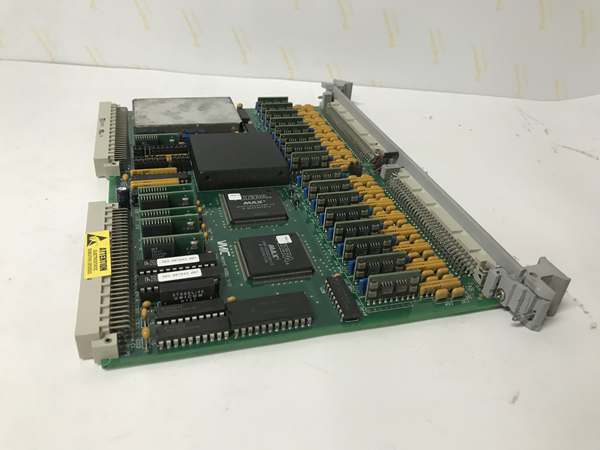
GE VMIVME-3122
The Real-World Problem It Solves
Standard 50kHz ADC cards can’t keep up with fast-changing vibration or pressure signals in turbines. External signal conditioning adds latency and failure points.
Where you’ll typically find it:
- Mark VI/VIe turbine control racks for high-speed bearing vibration and exhaust gas temperature monitoring
- Refinery catalytic cracking units (FCCU) with fast pressure/flow transients
- Offshore rig BOP systems requiring synchronous, high-speed data acquisition
Bottom line: It delivers 100kHz scan speed + 16-bit precision in one VME slot, eliminating external conditioning and reducing latency for dynamic signals.
Hardware Architecture & Under-the-Hood Logic
Self-contained high-speed VME slave ADC with dedicated scan controller, offloading host CPU.
- Analog signals enter via 96-pin front connector → overvoltage protection → EMI filters.
- Per-channel programmable gain amps (×1/×10) scale signals for optimal 16-bit range.
- Dedicated scan controller cycles 64 channels at 10μs/channel → 100kHz throughput.
- Digitized data stored in 1024-word dual-port RAM; VMEbus reads latest data directly.
- BIT injects precision references to verify accuracy without field wiring disconnects.
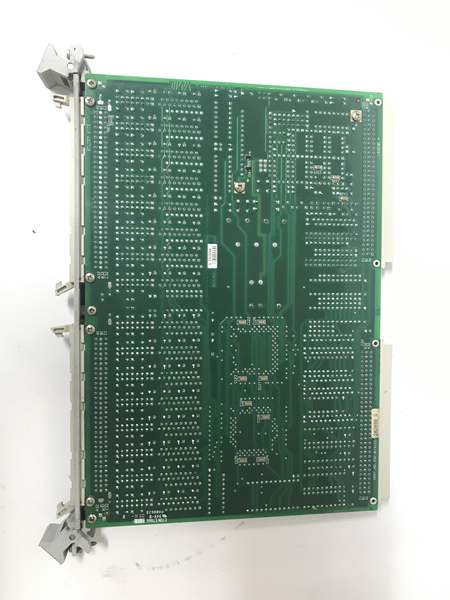
GE VMIVME-3122
Field Service Pitfalls: What Rookies Get Wrong
Confusing 310 (100kHz) vs. Standard 3122 (50kHz)Techs swap 310 and base 3122 cards. 50kHz cards miss fast vibration peaks; 310 in slow racks wastes power and causes overheating.
- Field Rule: Match part number to system scan rate requirements; 310 = 100kHz for turbines, base 3122 = 50kHz for general process.
Incorrect Gain for Low-Level mV SignalsNew techs leave gain at ×1 for thermocouples/RTDs. Wastes 90% of 16-bit resolution → noisy, unstable readings.
- Quick Fix: ×10 for <1V signals; ×1 for ±5V/±10V transmitters. Verify with BIT reference readings.
Backplane Power Overload in High-Density RacksMultiple 310 cards (3.2A each) overload 5V supplies. Undervoltage causes scan freezes, BIT errors, data corruption.
- Field Rule: Calculate total 5V load (3.2A/310 card); use dedicated VME power supplies; avoid mixing with high-current I/O cards.
Please note: The listed price is for reference only and is not binding. Final pricing and terms are subject to negotiation based on current market conditions and availability.