Description
Key Technical Specifications
-
Model Number: VMIVME-2120
-
Manufacturer: GE Fanuc / VMIC (General Electric)
-
Channels: 64 open-collector outputs grouped as 8 × 8-bit ports
-
Output Voltage: 5-55 VDC (55 V breakdown)
-
Current Rating: 600 mA sink per channel (max)
-
Isolation: 2 kV basic channel-to-bus; 500 VDC channel-to-channel
-
Data Transfer: 8-, 16-, 32-bit VME64x cycles
-
Protection: Clamp diodes for inductive fly-back, thermal shutdown, surge-current shutdown option
-
Built-in-Test: BIT flag per channel; 10 ms response time
-
Addressing: 12-bit jumper-select, non-privileged I/O
-
Connectors: Front-panel 50-pin DIN (screw-terminal or ribbon)
-
Operating Temperature: 0 °C…+70 °C standard, –40…+85 °C optional
-
Form Factor: 6U double-Eurocard VME64x
-
Status: Factory discontinued – new & tested spares available

GE VMIVME-2120
Field Application & Problem Solved
In the field the biggest headache is driving dozens of 24 VDC solenoids, contactors, and indicator lamps without frying the back-plane or missing a command. The board solves that by giving you 64 open-collector outputs that can sink 600 mA at 48 VDC—enough to pull in a 5 A relay coil directly. You’ll typically find one per 6U crate on EX2100 or test-cell VME racks where you need to fire relays, brake solenoids, and stack lights in the same scan. Core value: it collapses 64 high-side drivers, fly-back diodes, and BIT status into one card you can swap while the turbine is on turning gear
In the field the biggest headache is driving dozens of 24 VDC solenoids, contactors, and indicator lamps without frying the back-plane or missing a command. The board solves that by giving you 64 open-collector outputs that can sink 600 mA at 48 VDC—enough to pull in a 5 A relay coil directly. You’ll typically find one per 6U crate on EX2100 or test-cell VME racks where you need to fire relays, brake solenoids, and stack lights in the same scan. Core value: it collapses 64 high-side drivers, fly-back diodes, and BIT status into one card you can swap while the turbine is on turning gear
.
Installation & Maintenance Pitfalls (Expert Tips)
TTL Inputs Hate 24 V—Use a Divider
The control side is 5 V TTL; if you land 24 V on a data line you’ll blow the buffer. Use the VMIC screw-terminal adapter with 4.7 kΩ / 1 kΩ dividers or add your own on the field strip.
The control side is 5 V TTL; if you land 24 V on a data line you’ll blow the buffer. Use the VMIC screw-terminal adapter with 4.7 kΩ / 1 kΩ dividers or add your own on the field strip.
Channel-to-Channel Isolation Is 500 V – Don’t Ground Both Ends
If you tie the load return to a different ground you’ll circulate current and the BIT flag will flicker. Ground the load returns at one point only—preferably at the card common.
If you tie the load return to a different ground you’ll circulate current and the BIT flag will flicker. Ground the load returns at one point only—preferably at the card common.
Clamp Diodes Save Relays – Don’t Disable Them
The on-board fly-back diodes are there for a reason. If you disable them to speed up release time you’ll arc the driver and the channel goes low-impedance. Leave the diodes in circuit or add external zeners.
The on-board fly-back diodes are there for a reason. If you disable them to speed up release time you’ll arc the driver and the channel goes low-impedance. Leave the diodes in circuit or add external zeners.
Spare Lead-Time Is 6-8 Weeks – Keep One on the Shelf
Factory stock is gone; new & tested spares are available but not overnight. If you burn a driver or crack a layer you’ll be down until the part arrives—keep one in stores or you’ll discover the weakness during the next grid event
Factory stock is gone; new & tested spares are available but not overnight. If you burn a driver or crack a layer you’ll be down until the part arrives—keep one in stores or you’ll discover the weakness during the next grid event
.
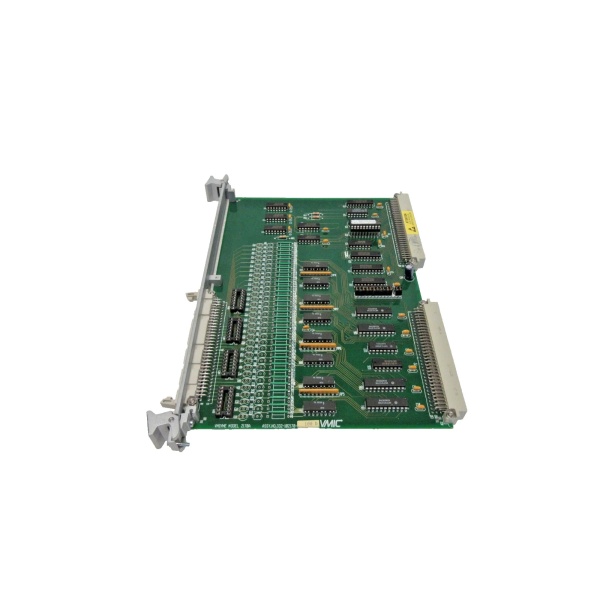
GE VMIVME-2120
Technical Deep Dive & Overview
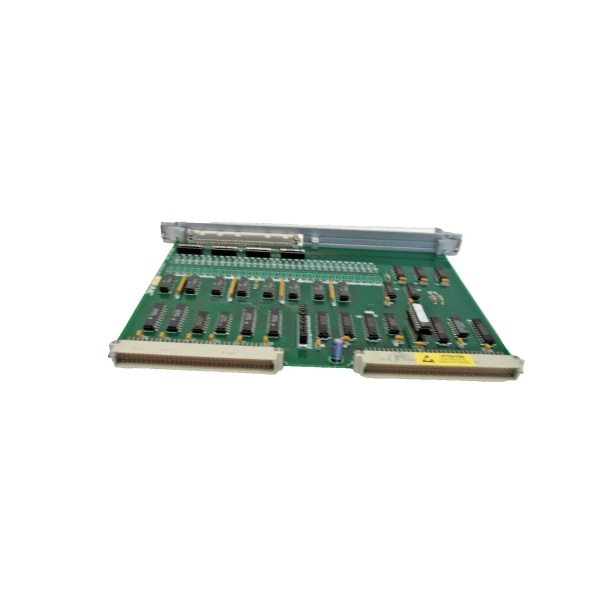
Internally the card is 64 open-collector MOSFETs bolted to a VME64x slave interface. Each output sinks up to 600 mA when the gate is pulled low; the on-board thermal sensor shuts down the bank if die temp exceeds 125 °C. An opto-coupler drives the gate and reports BIT status; lose the opto and the CPU throws “OUTPUT FLT” even if the MOSFET is fine. No firmware—pure hardware—so you can swap it without reloading parameters; just remember to torque the front-panel screws or the connector will walk out on the first vibration cycle
Internally the card is 64 open-collector MOSFETs bolted to a VME64x slave interface. Each output sinks up to 600 mA when the gate is pulled low; the on-board thermal sensor shuts down the bank if die temp exceeds 125 °C. An opto-coupler drives the gate and reports BIT status; lose the opto and the CPU throws “OUTPUT FLT” even if the MOSFET is fine. No firmware—pure hardware—so you can swap it without reloading parameters; just remember to torque the front-panel screws or the connector will walk out on the first vibration cycle
.