Description
Key Technical Specifications
-
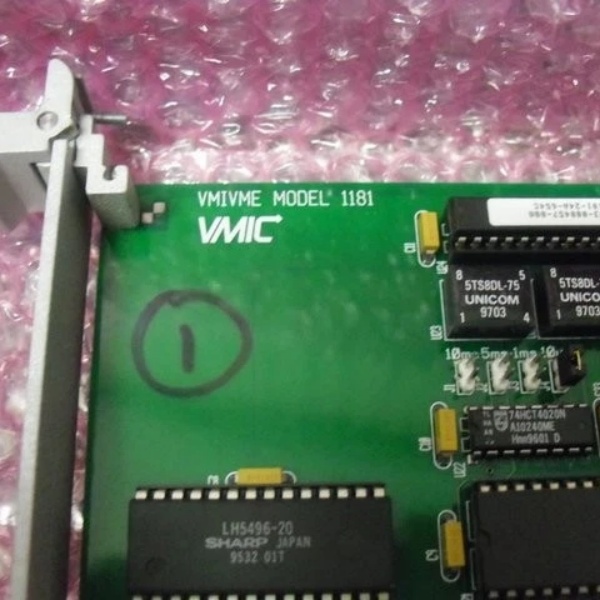
Model Number: VMIVME-1181
-
Manufacturer: GE Fanuc / VMIC (General Electric)
-
Function: 32-channel digital input with change-of-state (COS) interrupt generation
-
Input Levels: 5 V TTL compatible; CMOS option on later revisions
-
Interrupt Logic: On-board COS detection; interrupt posted to VME bus on any input transition
-
Power: +5 VDC from VME back-plane; no on-board fan required
-
Operating Temperature: 0 °C to +65 °C (no fan)
-
Bus Interface: VME64x P2 connector; 32-bit data path
-
Dimensions: Standard 6U VME form factor
-
Status: Factory discontinued – new & tested spares available

GE VMIVME-1181
Field Application & Problem Solved
In the field the biggest headache is catching a turbine trip or a valve limit-switch change without polling dozens of digital inputs. The VMIVME-1181 solves that by generating a VME interrupt the instant any input changes state—no CPU overhead, no missed events. You’ll typically find one per VME crate on Mark-V or Mark-VI retrofits where high-speed event capture is more important than sheer channel count. Core value: it collapses 32 isolated inputs, COS logic, and VME interrupt generation into one 6U card you can swap while the turbine is on turning gear
In the field the biggest headache is catching a turbine trip or a valve limit-switch change without polling dozens of digital inputs. The VMIVME-1181 solves that by generating a VME interrupt the instant any input changes state—no CPU overhead, no missed events. You’ll typically find one per VME crate on Mark-V or Mark-VI retrofits where high-speed event capture is more important than sheer channel count. Core value: it collapses 32 isolated inputs, COS logic, and VME interrupt generation into one 6U card you can swap while the turbine is on turning gear
.
Installation & Maintenance Pitfalls (Expert Tips)
COS Interrupt Storms If Inputs Chatter
If your field contacts bounce (old limit switches, dirty relays) the board will fire an interrupt every bounce and the CPU spends its life in the ISR. Add 1 ms RC filters on the field side or disable COS and poll if you can’t clean up the wiring.
If your field contacts bounce (old limit switches, dirty relays) the board will fire an interrupt every bounce and the CPU spends its life in the ISR. Add 1 ms RC filters on the field side or disable COS and poll if you can’t clean up the wiring.
TTL Inputs Hate 24 V—Use a Divider
The inputs are 5 V TTL; land 24 VDC on a pin and you’ll blow the input buffer. Drop a 4.7 kΩ / 1 kΩ divider network on the field terminal strip or use the VMIC opto-isolated front-end if you must switch 24 V.
The inputs are 5 V TTL; land 24 VDC on a pin and you’ll blow the input buffer. Drop a 4.7 kΩ / 1 kΩ divider network on the field terminal strip or use the VMIC opto-isolated front-end if you must switch 24 V.
No Fan Means Keep the Crate Clean
The board is rated 0-65 °C with no fan. If your VME crate ingests paper-mill dust the heat-sink fins clog and the inputs start drifting. Blow the crate out every outage or you’ll chase phantom transitions.
The board is rated 0-65 °C with no fan. If your VME crate ingests paper-mill dust the heat-sink fins clog and the inputs start drifting. Blow the crate out every outage or you’ll chase phantom transitions.
Spare Lead-Time Is 6-8 Weeks—Keep One on the Shelf
Factory stock is gone; new & tested spares are available but not overnight. If you crack a layer or burn an input buffer you’ll be down until the part arrives—keep one in stores or you’ll discover the weakness during the next grid event.
Factory stock is gone; new & tested spares are available but not overnight. If you crack a layer or burn an input buffer you’ll be down until the part arrives—keep one in stores or you’ll discover the weakness during the next grid event.
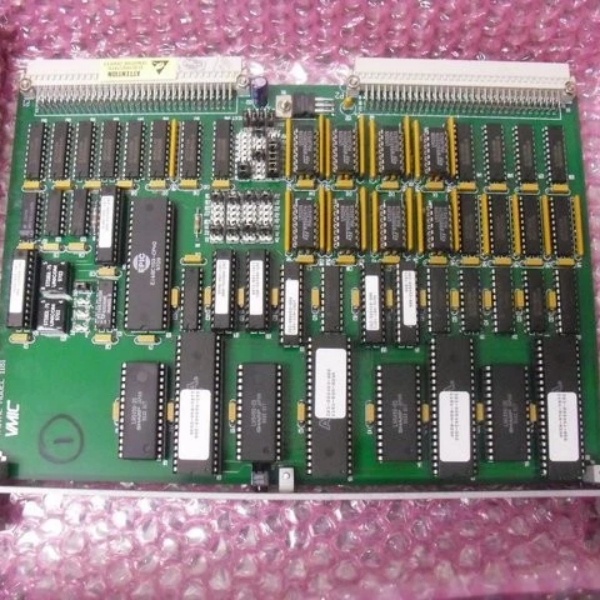
GE VMIVME-1181
Technical Deep Dive & Overview
Internally the card is a 32-bit latch bolted to a COS interrupt generator. Each input is buffered, debounced (user-selectable), and latched; any transition triggers an IRQ to the VME bus. No firmware—pure hardware—so you can swap it without reloading parameters; just remember to set the COS mask or the CPU will spend its life in the interrupt handler
Internally the card is a 32-bit latch bolted to a COS interrupt generator. Each input is buffered, debounced (user-selectable), and latched; any transition triggers an IRQ to the VME bus. No firmware—pure hardware—so you can swap it without reloading parameters; just remember to set the COS mask or the CPU will spend its life in the interrupt handler
.