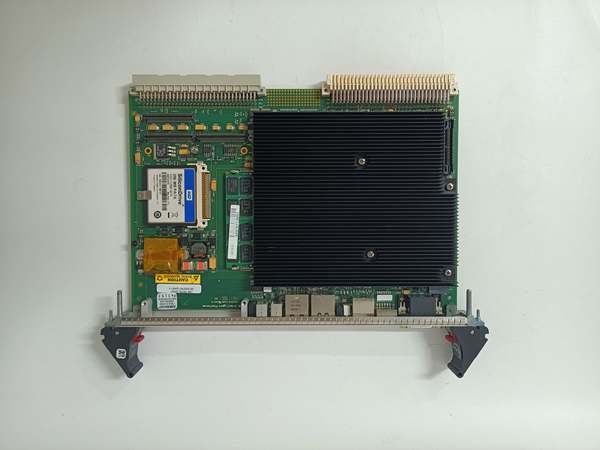
Description
Hard-Numbers: Technical Specifications
- Bus Interface: VME64, single-slot 6U Eurocard
- Fiber Speed: 2.125Gbps serial, 43–170MB/s throughput
- Onboard Memory: 128MB/256MB SDRAM (ECC optional)
- Node Count: Max 256 nodes per network
- Fiber Distance: 300m (multi-mode), 10km (single-mode)
- Latency: <0.4µs deterministic sync delay
- Operating Temperature: 0°C to +65°C (industrial)
- Power Draw: ~22W, +5V VME backplane powered
- Form Factor: 6U single-width, front LED status indicators
- Protocols: Reflective Memory (RFM), ring/star topology support
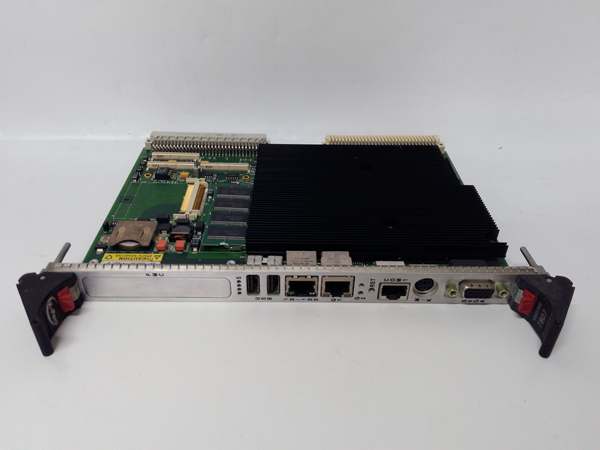
VME-93007807-410000-J
The Real-World Problem It Solves
Turbine and DCS systems need zero-latency data mirroring between nodes. Standard Ethernet can’t guarantee timing, causing sync faults and unplanned trips. Copper wiring adds EMI and limits distance between racks.
Where you’ll typically find it:
- GE Mark VI / Mark VIe gas/steam turbine control cabinets
- Combined-cycle plant turbine island VME racks
- Refinery process control systems needing deterministic data sharing
Bottom line: It delivers hardware-level data mirroring to eliminate sync errors and extend noise-immune communication over fiber.
Hardware Architecture & Under-the-Hood Logic
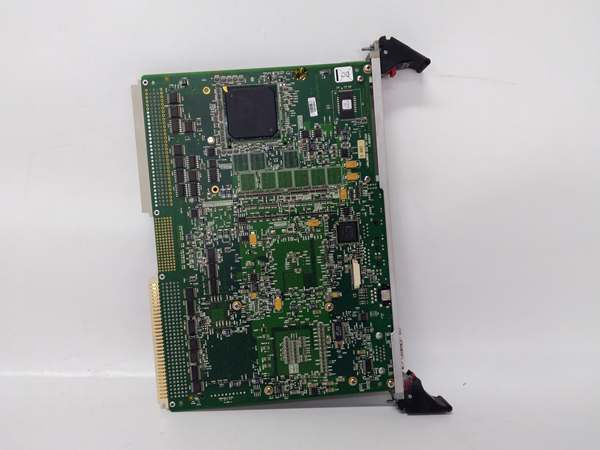
This 6U VME card acts as a reflective memory node, mirroring data across the network without CPU overhead. Fiber isolation cuts EMI noise.
- VMEbus interface maps local memory to backplane address space.
- Onboard FPGA handles RFM logic, packet routing, and CRC checks.
- Dual fiber ports (TX/RX) connect to ring or star hub (VMIACC-5595).
- Writes to local memory auto-broadcast to all nodes; updates in <1µs.
- Hardware watchdog and link monitors trigger LED alarms on signal loss.
- Supports redundant mode: packets sent twice for error correction.
Field Service Pitfalls: What Rookies Get Wrong
Incorrect Node ID SettingTechs set duplicate node IDs with DIP switches. Collisions crash the entire RFM network and corrupt shared data.
- Field Rule: Set unique ID (1–256); label switch setting on card edge.
Mismatched Fiber TransceiversMixing multi-mode/single-mode SFPs or wrong wavelengths. Link drops or high latency under vibration.
- Quick Fix: Match transceiver type to plant fiber; use GE-certified 850nm (MM) /1310nm (SM) modules.
Ignoring Redundancy ConfigurationRookies skip redundant mode in noisy environments. Single bit errors cause data corruption and turbine trips.
- Field Rule: Enable redundant mode (jumper E7) for refineries/power plants; cuts error rate by 50%.
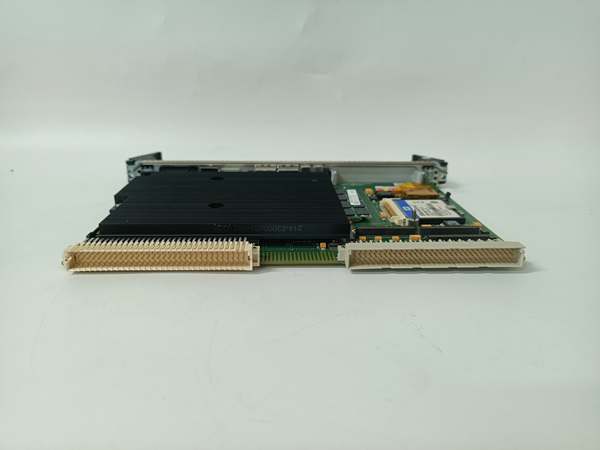
VME-93007807-410000-J
Commercial Availability & Pricing Note
Please note: The listed price is for reference only and is not binding. Final pricing and terms are subject to negotiation based on current market conditions and availability.