Description
Hard-Numbers: Technical Specifications
- Bus Interface: VME64, single-slot 6U Eurocard
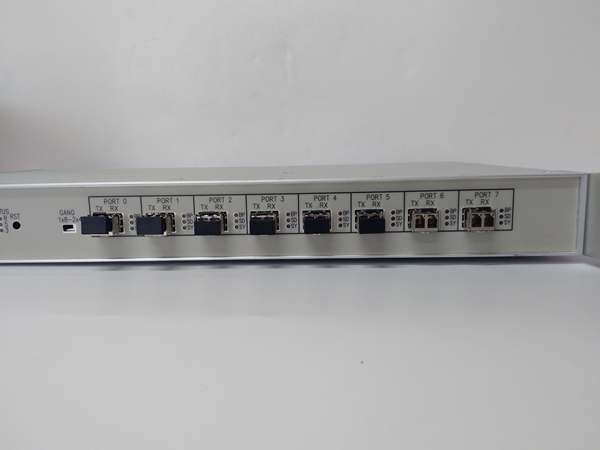
- Ports: 8×SFP fiber optic slots (empty, transceivers sold separately)
- Data Rate: 2Gbps per port, full-duplex
- Latency: <1µs deterministic packet switching
- Protocol: Reflective Memory (RM), Fibre Channel, VMEbus master/slave
- Operating Temperature: -40°C to +85°C (industrial extended)
- Power Draw: ~18W, +5V VME backplane powered
- Form Factor: 6U single-width, front-panel status LEDs
- Certifications: CE, FCC, RoHS compliant
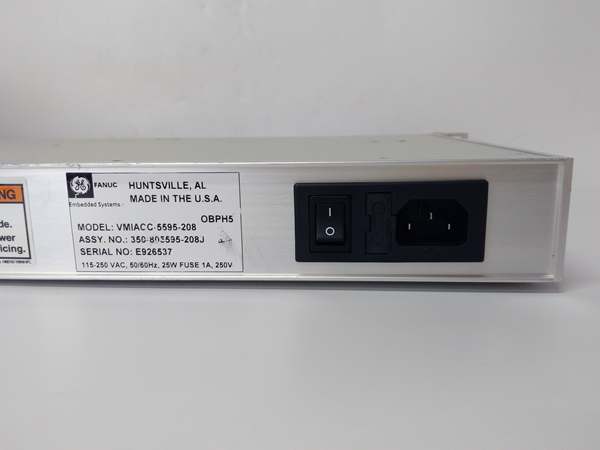
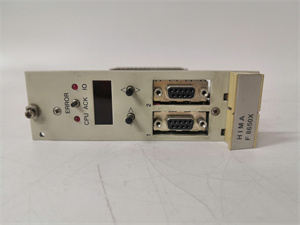
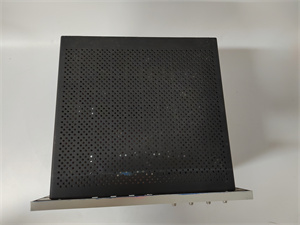
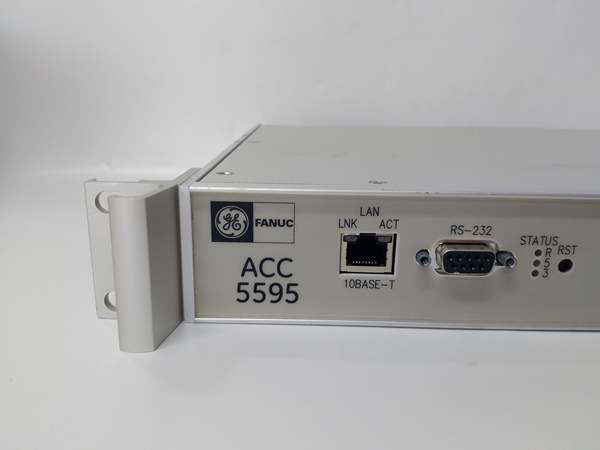
GE VMIACC-5595-208
The Real-World Problem It Solves
Turbine control systems need rock-solid, low-latency data sharing between multiple VME nodes. Standard Ethernet can’t guarantee timing, leading to sync errors and tripped turbines. Copper wiring also introduces EMI and limits rack-to-rack distance.
Where you’ll typically find it:
- GE Mark VI / Mark VIe gas/steam turbine control cabinets
- Combined-cycle plant turbine island VME racks
- Refinery and petrochemical process control systems needing deterministic networking
Bottom line: It delivers sub-microsecond fiber-optic data mirroring between VME nodes to eliminate sync faults and extend communication distance.
Hardware Architecture & Under-the-Hood Logic
This 6U VME module acts as a dedicated reflective memory hub, moving data between nodes without CPU intervention. Fiber isolation cuts EMI noise.
- VMEbus interface chip connects to backplane, maps shared memory space.
- Onboard FPGA manages reflective memory logic, handles packet routing.
- 8 SFP transceivers convert electrical data to fiber optic signals.
- Data is broadcast to all nodes simultaneously; writes update in <1µs.
- Hardware fault detection monitors link status, triggers LED alarms on loss of signal.
Field Service Pitfalls: What Rookies Get Wrong
Wrong SFP Transceiver SelectionTechs use commercial-grade SFPs. Industrial temp ranges (-40°C to +85°C) damage consumer optics, causing intermittent link drops.
- Field Rule: Only deploy GE/Abaco-certified industrial SFP modules; match fiber type (multi-mode/single-mode) to plant runs.
Overlooking Fiber Bend RadiusRookies route fiber too tight, exceeding minimum bend radius. Micro-cracks develop, signal attenuation rises, links fail under vibration.
- Quick Fix: Maintain 30mm minimum bend radius; use fiber management trays in cabinets.
Ignoring VME Backplane TerminationUnused VMEbus slots left unterminated. Signal reflections cause data corruption and random hub resets.
- Field Rule: Terminate all empty VME slots with 75Ω terminators; check termination at both ends of the backplane.
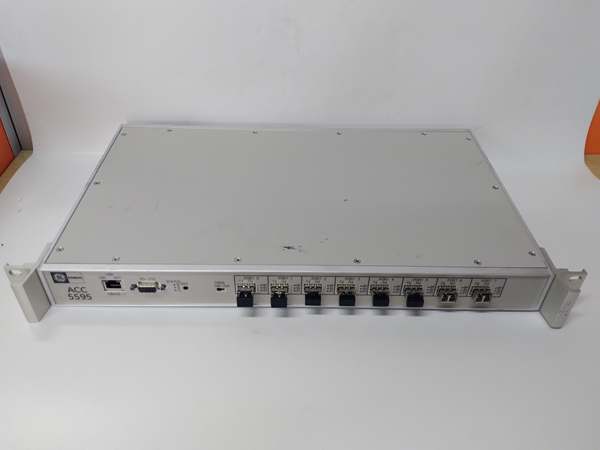
GE VMIACC-5595-208
Commercial Availability & Pricing Note
Please note: The listed price is for reference only and is not binding. Final pricing and terms are subject to negotiation based on current market conditions and availability。