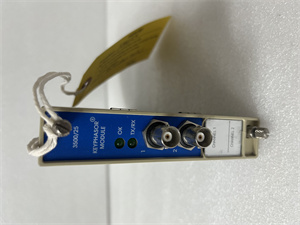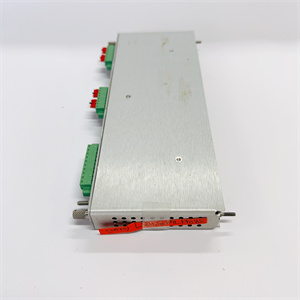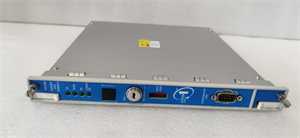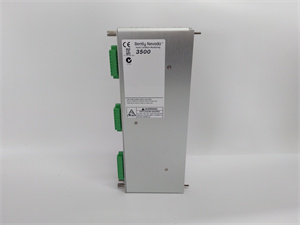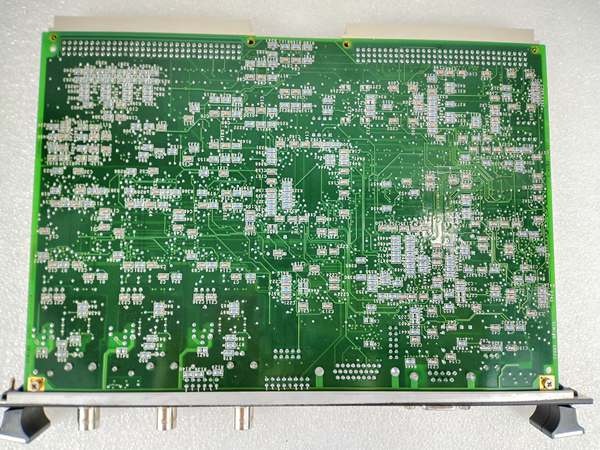
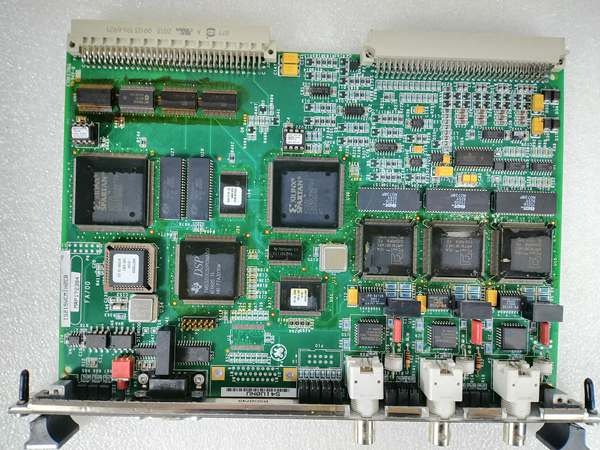
Description
Hard-Numbers: Technical Specifications
- Processor: 32-bit TI TMS320C32 DSP (IS200) / 32-bit RISC (IS215)
- Memory: 128KB dual-port RAM (VME ↔ IONet buffer)
- VME Interface: VMEbus Rev C.1, master/slave, block transfer capable
- IONet Ports: 3×BNC 10BASE2 (coax), 10Mbps, redundant ring support
- Serial Port: 1×RS-232, 9.6k–38.4k baud, D-sub9
- Parallel Port: 1×8-bit bidirectional EPP (IEEE 1284)
- Operating Temp: -30°C to +65°C (C-coated: -40°C to +70°C)
- Power Draw: 4.5A @ +5VDC (22.5W typical)
- Form Factor: 6U Eurocard (17.8×33.0cm), single-slot
- Protection: Conformal coated (acrylic) for humidity/corrosion resistance
- Diagnostics: 4×front-panel LEDs (PWR, RUN, FAULT, IONET)
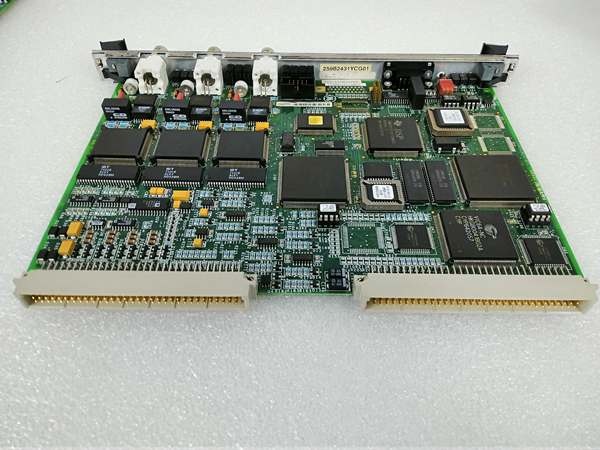
GE IS215VCMIH2C
The Real-World Problem It Solves
Mark VI racks without a VCMI can’t arbitrate VME bus traffic or bridge IONet to local I/O. Uncontrolled bus masters cause collisions; unmanaged IONet rings drop turbine data or lose rack ID mapping.
Where you’ll typically find it:
- Slot 1 of every Mark VI/VIe control rack (gas/steam turbine)
- Offshore platform turbine control cabinets (coastal corrosion zones)
- Combined-cycle power plant DCS I/O racks (IONet ring hubs)
Bottom line: It’s the mandatory VME master + IONet hub that keeps Mark VI racks synchronized, data flowing, and IDs assigned.
Hardware Architecture & Under-the-Hood Logic
This is the rack’s “traffic cop”: fixed slot-1 VME master, IONet ring manager, and I/O rack ID keeper. No user-configurable CPU—dedicated DSP/RISC for real-time arbitration.
- Backplane VME interface claims bus mastership; resolves slave conflicts with hardware arbitration.
- Dual-port RAM buffers data between VME bus and 3×IONet ports; prevents overflow during bursts.
- IONet controller manages 10Mbps token-passing ring; re-routes traffic on cable break.
- Onboard EEPROM stores rack ID, node addresses, and arbitration parameters; no jumpers needed.
- Watchdog timer (hardware) resets board if IONet/VME traffic stalls >100ms; triggers FAULT LED.
Field Service Pitfalls: What Rookies Get Wrong
Incorrect IONet TerminationTechs forget 50Ω terminators on unused BNC ports or daisy-chain coax without proper taps. IONet signal reflections cause intermittent data drops and ring splits.
- Field Rule: Terminate all unused IONet BNCs with 50Ω; use only T-connectors for taps—no direct splices.
Slot Misplacement & Bus ConflictRookies install VCMI-H2C in slots 2–16 or mix with other VME masters. Multiple masters trigger bus errors, watchdog resets, and turbine trip faults.
- Quick Fix: VCMI-H2C only in slot 1; set VME master jumpers to “slot 1” (factory default).
Coating Damage During ProbingTechs scrape conformal coating probing backplane pins or test points. Exposed traces corrode in humid plant air; leads to intermittent VME/IONet faults.
- Field Rule: Use insulated fine-tip probes; seal scratches with matching acrylic coating post-service.
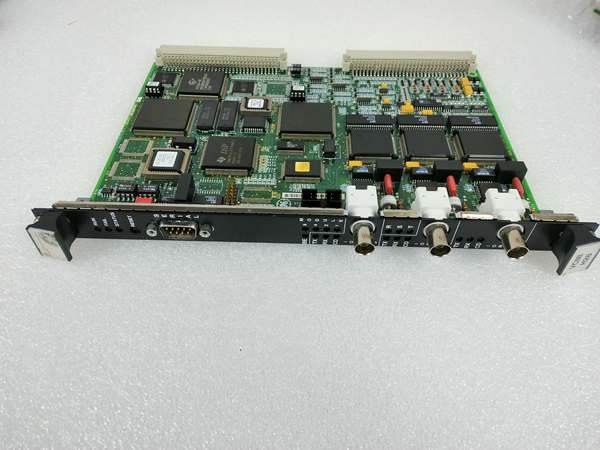
GE IS215VCMIH2C
Commercial Availability & Pricing Note
Please note: The listed price is for reference only and is not binding. Final pricing and terms are subject to negotiation based on current market conditions and availability.