Description
Hard-Numbers: Technical Specifications
- Test Frequency Range: 0.2 MHz to 20 MHz
- Gain Control: 110 dB total range, 0.2 dB adjustable steps
- Pulse Voltage: 120V to 300V adjustable spike/ square wave output
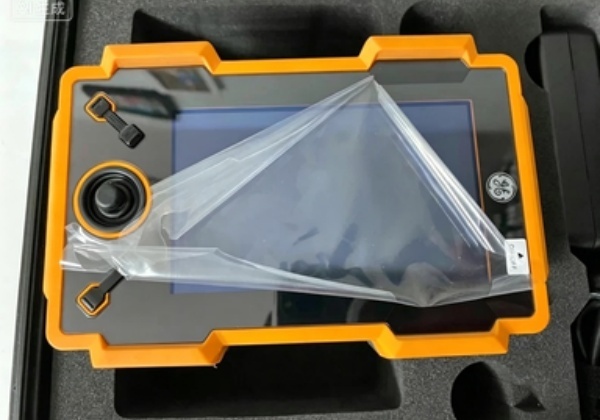
- Display Resolution: 800 × 480 color WVGA industrial touchscreen
- Operating Temperature: -10°C to +50°C continuous field operation
- Enclosure Rating: IP67 dust and water ingress protection
- Internal Battery Runtime: 8 hours continuous field use
- Data Storage: Local internal memory + removable SD card logging
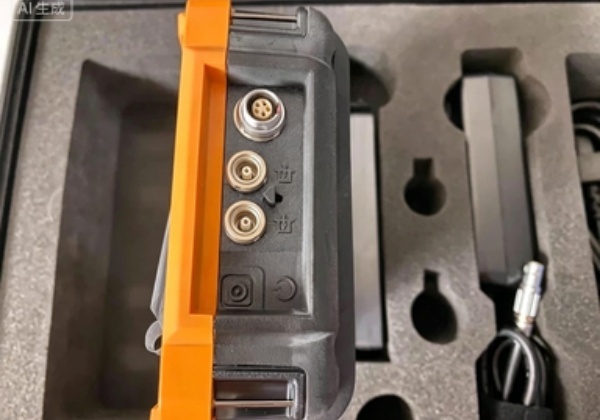
- Probe Ports: Dual LEMO-00 transducer connection ports
- Unit Weight: 850 grams including installed battery pack
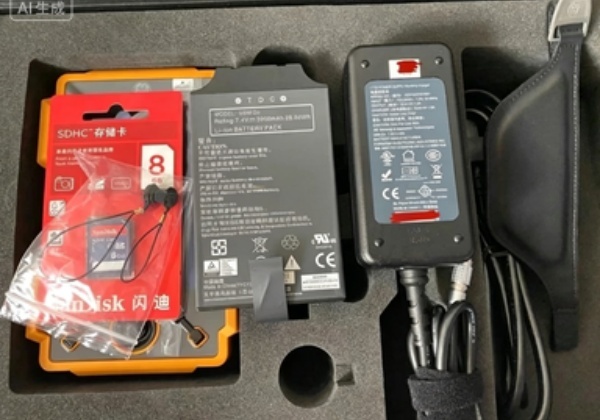
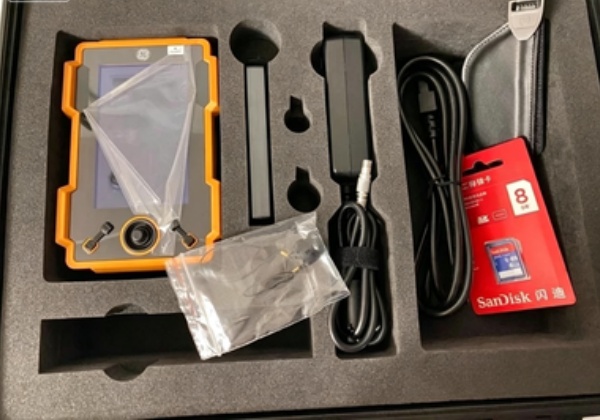
GE USMGo
The Real-World Problem It Solves
Bench-top ultrasonic testers are bulky and cannot move through tight pipe racks, boiler vaults, or offshore platform walkways. Low-quality handheld units lack stable gain control and consistent waveform accuracy for regulated NDT reporting.
Where you’ll typically find it:
- Fossil and combined-cycle power plant boiler tube and header inspections
- Offshore drilling rig and refinery pressure vessel corrosion surveys
- Heavy fabrication yards performing post-weld crack and porosity checks
Bottom line: It delivers lab-grade ultrasonic reading stability in a field-hardened handheld form factor for daily NDT route work.
Hardware Architecture & Under-the-Hood Logic
USMGO runs a dedicated NDT processing board independent of cloud or external networks, with isolated transducer drive circuits to block site electrical noise. No shared consumer-grade components, built for industrial interference.
- Dual transducer ports send pulsed ultrasonic waves through contact probes into test material.
- Internal signal filters strip VFD noise, ground loop interference, and high-frequency site hash.
- High-speed analog converters capture reflected sound waves and render live A-scan waveforms.
- Onboard firmware calculates depth, defect size, and remaining wall thickness in real time.
- Local storage caches raw waveform data and inspection logs for offline review and compliance records.
Field Service Pitfalls: What Rookies Get Wrong
Improper Probe Calibration Between Material TypesNew techs reuse a single calibration file for carbon steel, stainless, and alloy piping. Sound velocity offsets produce wrong depth readings and false defect calls.
- Field Rule: Perform a new two-point calibration any time material grade, temperature, or probe type changes.
Ignoring Couplant Application DensityLight, sparse couplant creates weak signal return and choppy waveforms. Rookie techs flag legitimate indications as coupling errors and skip critical areas.
- Quick Fix: Apply thin, even couplant coverage; wipe and recheck any noisy waveform before logging results.
Overexposing Unit to Direct Solar HeatProlonged direct sunlight on the screen and housing spikes internal temperature. Thermal drift shifts gain accuracy and shortens battery cycle life over time.
- Field Rule: Use a sun shade during outdoor summer inspections; store unit in climate-controlled gear lockers when not in use.

GE USMGo
Commercial Availability & Pricing Note
Please note: The listed price is for reference only and is not binding. Final pricing and terms are subject to negotiation based on current market conditions and availability.